Introduction to Programming
Introduction to Programming
What is Programming?
Think of programming as writing a recipe for a very literal, very fast cook: a computer. You provide a list of precise instructions, and the computer follows them exactly to achieve a goal. It could be displaying a button on a webpage, calculating a budget, or launching a rocket to Mars. At its core, programming is simply the act of telling a computer what to do.
Programming is the process of creating a set of instructions that tell a computer how to perform a task.
These instructions, collectively called a program or software, are behind almost every piece of technology you use. The app that wakes you up in the morning, the website where you read the news, and the system that manages traffic lights are all powered by programs written by people.
The Language of Computers
Computers don't understand human languages like English or Spanish. Their native tongue is much simpler, consisting of just two symbols: 0 and 1. This is called binary, or machine code. Trying to write instructions directly in binary would be incredibly slow and difficult for a person.
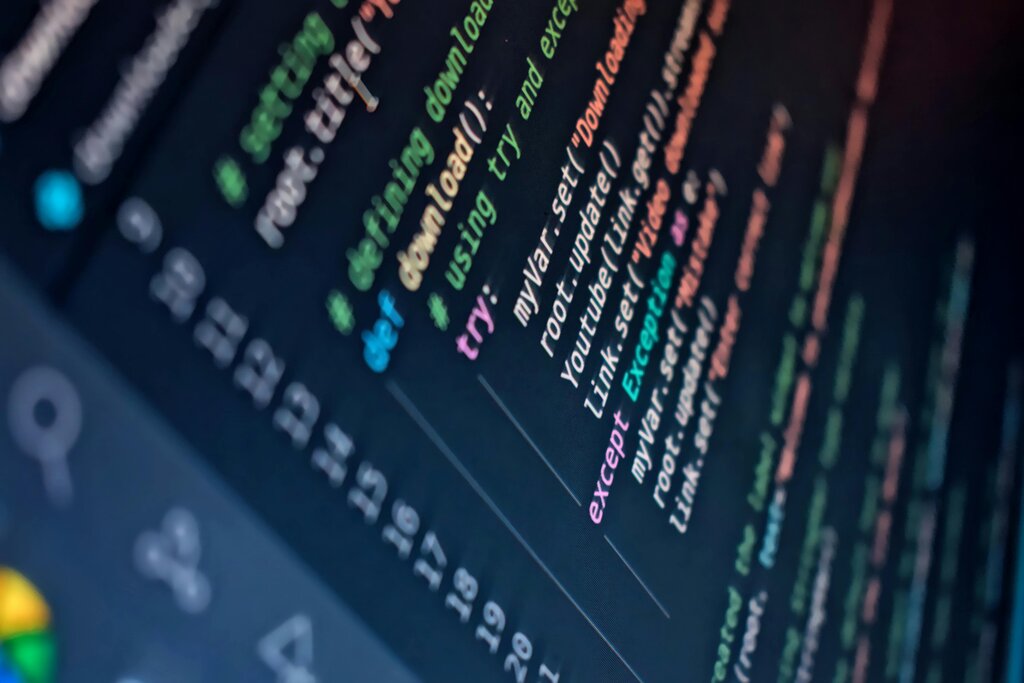
This is where programming languages come in. They act as a bridge, allowing us to write commands in a way that’s easier for us to understand. Languages like Python, Java, or C++ use words and symbols that are closer to human language. Then, a special program called a compiler or an interpreter translates our code into the binary instructions the computer can execute.
How a Program Runs
So, what happens when you click an app icon on your phone? The process generally follows these steps: