Introduction to Programming
Introduction to Programming
What is Programming?
Think of a computer as an incredibly powerful but very literal assistant. It can perform billions of calculations in a second, but it won't do anything until you give it specific, step-by-step instructions. Programming is simply the act of writing those instructions.
Programming is how we communicate with computers to make them perform tasks, solve problems, and create everything from websites to video games.
Every app on your phone, every website you visit, and every smart device in your home is powered by code. Someone wrote a set of instructions telling the device what to do and how to respond to your actions. The goal is to write these instructions clearly and logically so the computer can execute them without confusion.
Speaking the Computer's Language
You can't just write instructions for a computer in plain English. Computers need a special, structured language to understand what you want. These are called programming languages.
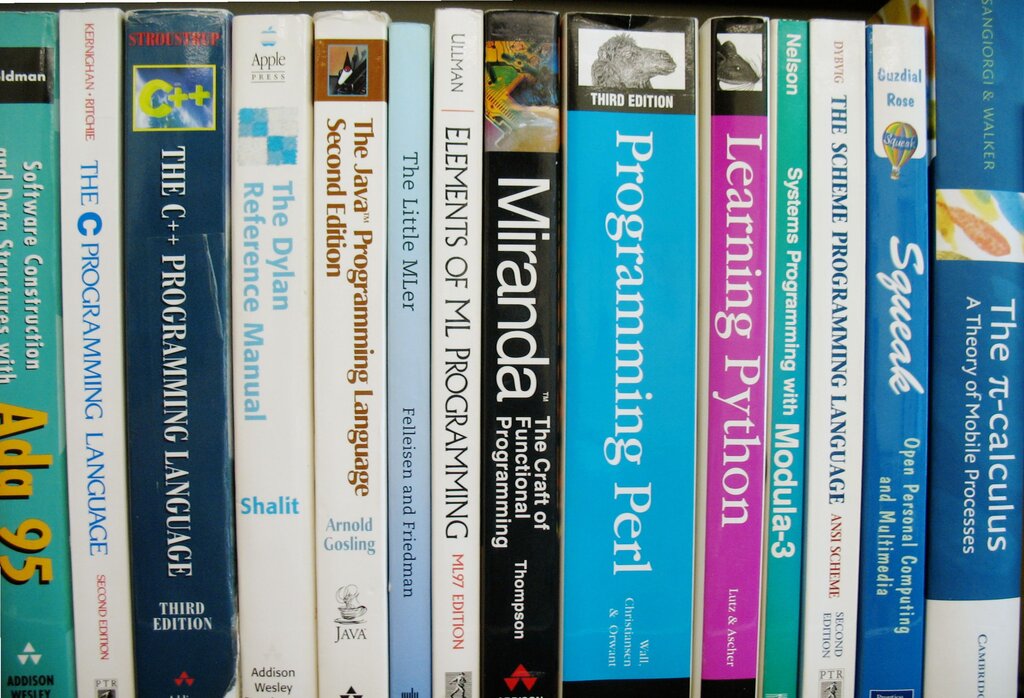
There are thousands of them, each with its own strengths and purposes. Some, like Python, are praised for being easy to read, almost like English. Others, like C++, give the programmer more direct control over the computer's hardware. The language you choose depends on the problem you're trying to solve.
| Language | Common Uses |
|---|---|
| Python | Data science, AI, web development |
| JavaScript | Websites, web applications |
| Java | Android apps, large business systems |
| C++ | Video games, operating systems |
No matter which language you use, the core principles of giving clear, logical instructions remain the same.
The Recipe for a Program
Before you start writing code, you need a plan. In programming, this plan is called an algorithm. It's a finite sequence of well-defined, computer-implementable instructions to solve a class of problems or to perform a computation.
algorithm
noun
A step-by-step procedure or formula for solving a problem or accomplishing a task.
Think of it like a recipe for baking a cake. The recipe lists the ingredients (your data) and gives you a sequence of steps to follow (your instructions). If you miss a step or do them in the wrong order, you won't get a cake. The same is true in programming. A well-designed algorithm is the key to writing a successful program.
For example, a simple algorithm for logging into an email account might be:
- Prompt the user for their username.
- Prompt the user for their password.
- Check if the username and password match the records.
- If they match, grant access.
- If they don't, show an error message.
From Idea to Application
Creating software isn't just about writing code. It's a structured process called the software development lifecycle (SDLC). While there are many models, most follow a similar pattern.
1. Plan: This is the starting point. What problem are we solving? Who is it for? Here, developers define goals and sketch out the program's features and design.
2. Code: This is the implementation phase where developers write the code based on the plan, building the application one piece at a time.
3. Test: Before releasing the software, it's crucial to test it for bugs. Testers try to 'break' the application to find any issues that need fixing.
4. Deploy: Once the software is tested and stable, it's released to users. This could mean publishing an app to the app store or putting a website live.
5. Maintain: The job isn't over after launch. Developers must fix new bugs, add features, and keep the software updated.
We're ready to test your knowledge of these core concepts.
What is the primary role of a programmer?
In programming, what is an algorithm?
Understanding these fundamentals provides the foundation for any programming journey. It's less about memorizing a specific language and more about learning how to think like a problem-solver.