Introduction to Programming
Introduction to Programming
What is Programming?
Imagine trying to explain how to make a peanut butter and jelly sandwich to someone who has never seen bread, a knife, or a jar. You'd have to be incredibly specific: "Pick up the bag. Untwist the tie. Open the bag. Take out two slices of bread."
Computers are like that. They're powerful, but they don't understand context or ambiguity. They need a perfect, step-by-step list of instructions to do anything. Programming is simply the art of writing those instructions.
Programming
verb
The process of creating a set of instructions that tell a computer how to perform a specific task.
At its core, a program is a detailed plan. Whether it's a mobile app, a video game, or the operating system on your laptop, it's all built from instructions written by a programmer. The goal is to break down a large task into tiny, logical steps that a computer can execute one by one.
Why Use Programming Languages?
Computers have their own native language, often called machine code. It's a series of ones and zeros that's incredibly difficult for humans to read or write. Writing instructions in pure machine code would be painfully slow and error-prone.
This is where programming languages come in. They act as a bridge, allowing us to write instructions in a way that's much closer to human language. A special program, called a compiler or an interpreter, then translates our code into the ones and zeros the computer can understand.
Think of it like using a translator. You might not speak Japanese, but you can tell an English-to-Japanese translator what you want to say, and they'll convey the message accurately. Programming languages serve that same role for communicating with computers.
There are thousands of different programming languages, from Python and Java to C++ and JavaScript. Each has its own rules (syntax) and strengths, but they all share the same fundamental purpose: making it easier for people to write instructions for machines.
The Basic Recipe of a Program
While programs can become incredibly complex, most follow a simple, core structure. You can think of it like a recipe with three main parts: getting your ingredients, following the steps, and serving the final dish.
| Step | Analogy | In Programming | Example |
|---|---|---|---|
| 1. Input | Gathering Ingredients | Get data from a source | Asking a user for their name. |
| 2. Processing | Following the recipe steps | Perform actions on the data | Adding "Hello, " to the start of the name. |
| 3. Output | Serving the dish | Show the result | Displaying "Hello, [Name]!" on the screen. |
This Input-Process-Output (IPO) model is a fundamental concept in programming. Almost every program you use, in some way, takes in information, does something with it, and then produces a result.
Even clicking a 'like' button follows this pattern. Input: You click the button. Process: The program adds one to the like count. Output: The screen updates to show the new number.
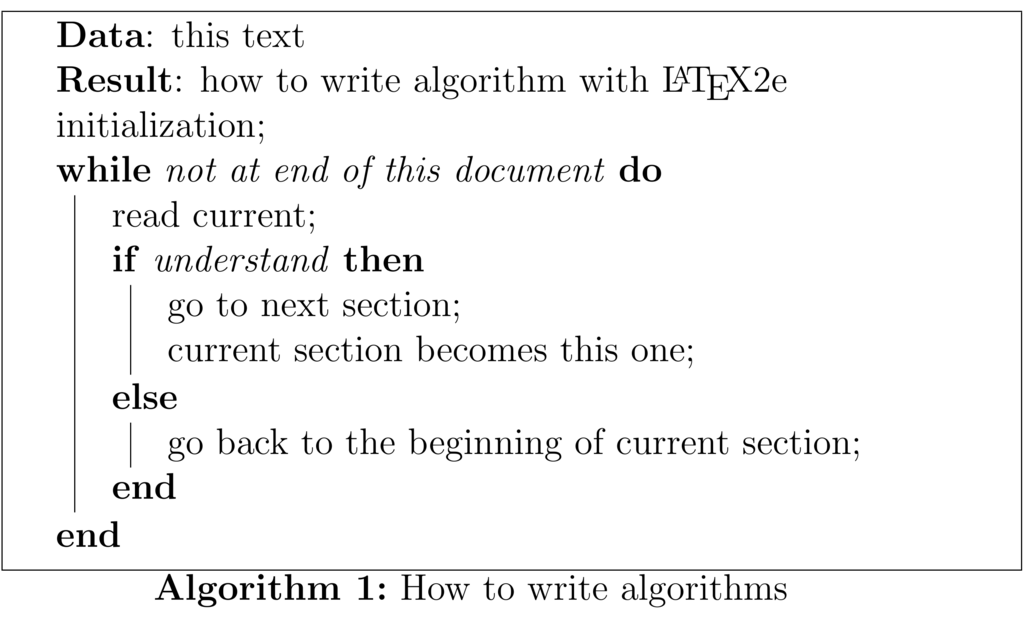
We can represent the logic of this simple name-greeting program using something called pseudocode. It's not a real programming language, but a way to outline the steps in plain English before writing actual code.
As you begin your journey, remember these core ideas. Programming isn't about memorizing a specific language's syntax. It's about learning to think logically, break down problems, and write clear, precise instructions. The language is just the tool you use to express that logic.