Introduction to Programming
Introduction to Programming
What is Programming?
At its core, programming is simply the act of giving instructions to a computer. Think of it like writing a recipe. A recipe lists specific steps in a precise order to achieve a goal, like baking a cake. If you miss a step or get the order wrong, you won't get a cake.
Computers are similar, but they're even more literal. They don't have intuition or common sense. They follow instructions exactly as they are written. Programming is how we create those detailed, step-by-step instructions that tell a computer what to do, from displaying text on a screen to flying a rocket to Mars.
Speaking the Computer's Language
We can't just write our instructions in English. Computers have their own native tongue, a low-level language called machine code, which is just a series of ones and zeros. Trying to write instructions in machine code would be incredibly tedious and difficult for humans.
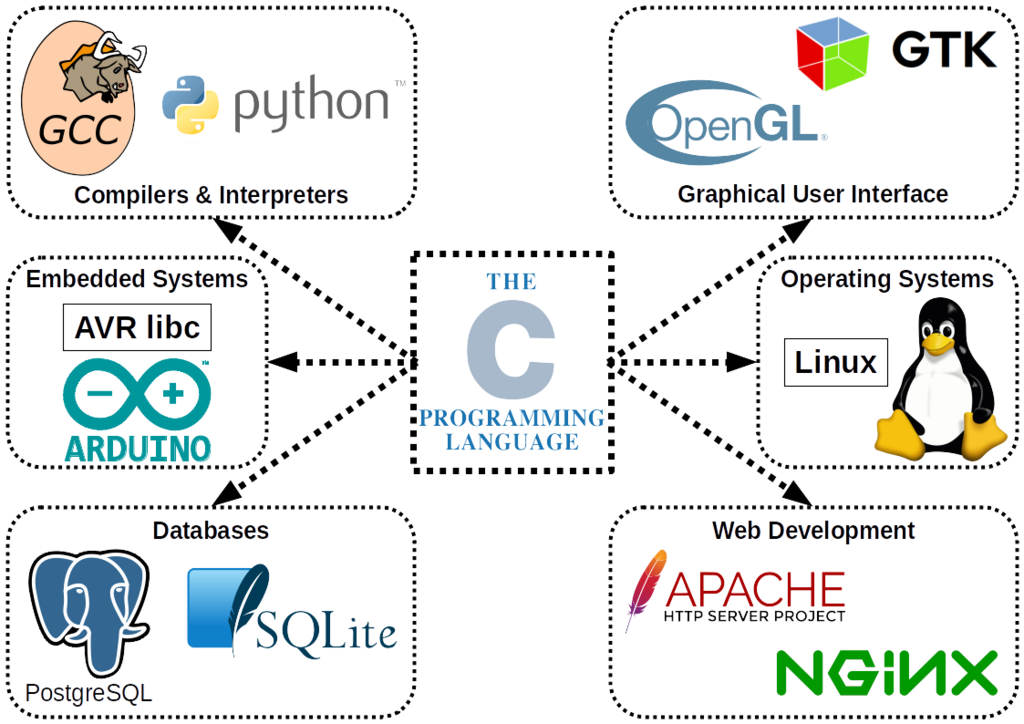
This is where programming languages come in. They act as a bridge, allowing us to write instructions in a way that's much closer to human language. A special program called a compiler or interpreter then translates our code into the ones and zeros the computer can understand. There are many different programming languages, each with its own strengths, like Python, Java, and C++.
The Power of Algorithms
Before you can write instructions, you need a plan. In programming, that plan is called an algorithm. It’s the sequence of steps you design to solve a specific problem. You use algorithms in your daily life all the time, even if you don't call them that. Your morning routine, from waking up to leaving the house, is an algorithm. The directions you follow to get to a new place are an algorithm.
An algorithm is a finite sequence of well-defined, computer-implementable instructions to solve a class of problems or to perform a computation.
A good algorithm is clear, efficient, and correct. Before writing a single line of code, programmers often outline their algorithm to make sure their logic is sound. This planning step is crucial for building software that works reliably.
Anatomy of a Simple Program
Most programs, no matter how complex, follow a basic structure: they take some input, perform some processing, and then produce an output. The simplest program you can write is one that just produces an output without any input or complex processing.
In the programming world, the traditional first program to write is one that simply displays the phrase "Hello, World!" on the screen. It's a simple way to confirm that your setup is working and to see the basic syntax of a new language.
# This is a 'Hello, World!' program in Python
# The print() function displays text on the screen.
print("Hello, World!")
This single line of code is a complete program. It tells the computer to perform one action: print the text string "Hello, World!" to the screen. The text inside the quotation marks is the output.
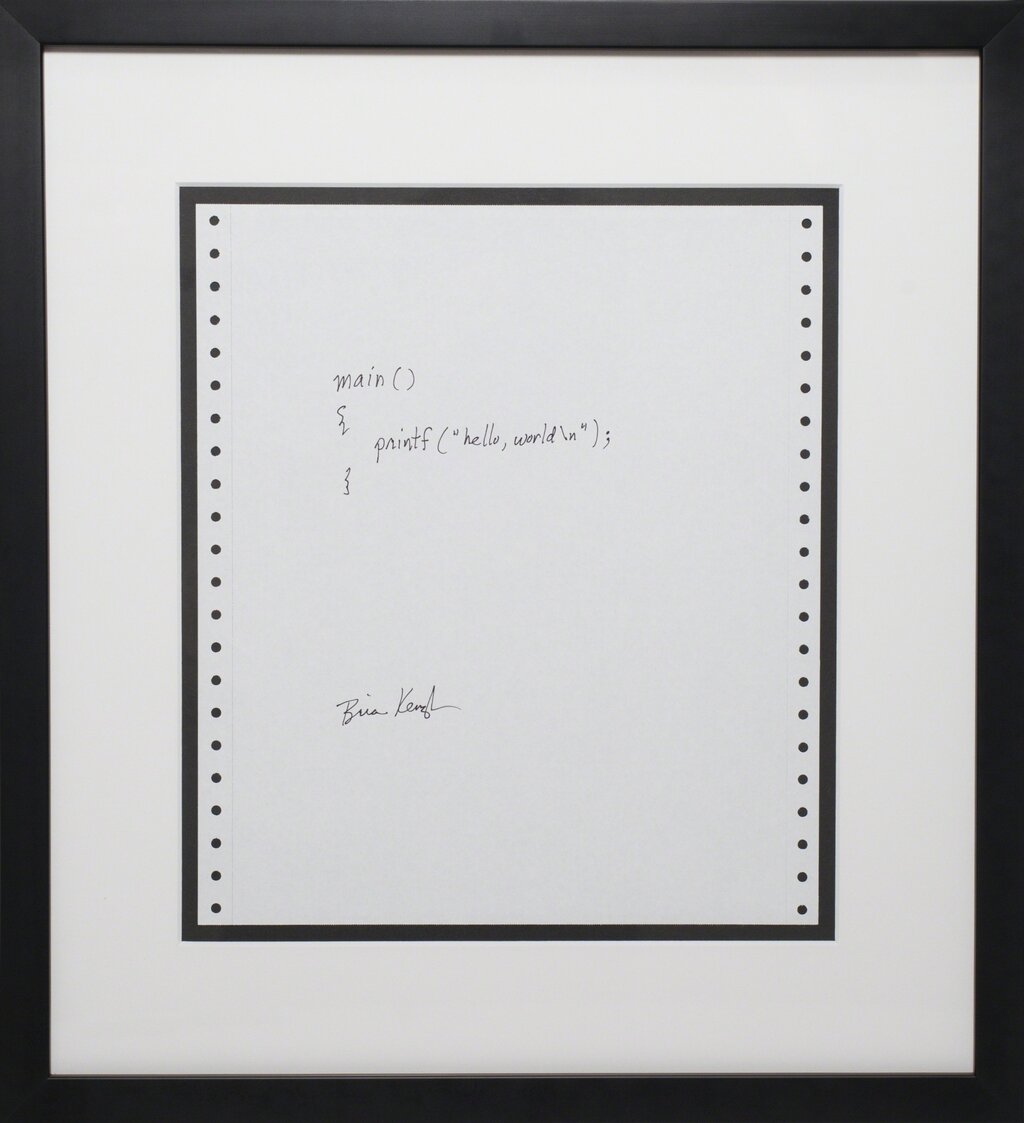
To run this program, you would type the code into a text file, save it (for example, as hello.py), and then use a Python interpreter to execute the file. The interpreter reads your code, translates it, and instructs the computer to carry out the command. The result you would see on your screen is the simple, friendly greeting:
Hello, World!
Now that you understand the basic concepts, let's test your knowledge.
What is the primary role of a programming language?
A(n) __________ is a detailed plan or sequence of steps designed to solve a specific problem.
You've just taken your first step into the world of programming, learning that it’s all about creating structured instructions, using languages a computer can understand, and planning with algorithms.