Introduction to Programming
Introduction to Programming
Telling Computers What to Do
Programming is simply the act of giving a computer a set of instructions to perform a specific task. Think of it like writing a recipe. A recipe lists ingredients (the input) and a series of steps to follow (the process) to create a dish (the output). A computer program works in a similar way. You provide data, the computer follows your instructions, and it produces a result.
Programming
noun
The process of creating a set of instructions that tell a computer how to perform a task.
These instructions have to be extremely precise. A computer doesn't understand nuance or ambiguity. It does exactly what you tell it to do, which is both a powerful and a challenging aspect of programming.
The Language of Computers
We can't write instructions for a computer in English or Spanish. Computers operate on a very basic level, understanding electrical signals that represent ones and zeros. Writing instructions directly in this binary code would be incredibly tedious and difficult for humans.
That's where programming languages come in. They act as a bridge between human language and machine language. A programming language provides a set of rules and keywords that we can use to write instructions in a more readable format. These instructions are then translated into the binary code the computer can execute.
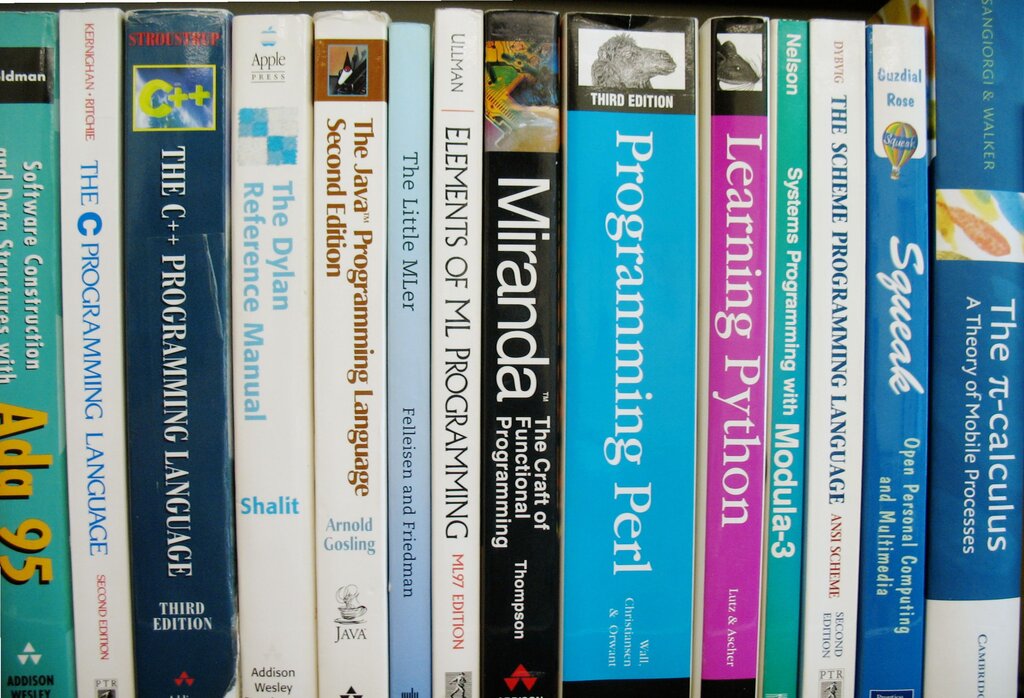
Some languages, like Python or JavaScript, are considered "high-level." They are designed to be easier for humans to read and write, handling a lot of the complex computer operations behind the scenes. Other languages, like C or Assembly, are "low-level." They give the programmer more direct control over the computer's hardware but are more complex to work with.
The Basic Blueprint
While programs can become incredibly complex, almost all of them follow a fundamental structure. They take some form of input, process it according to their instructions, and then produce some kind of output.
Let's look at a classic first program, often called "Hello, World!". Its only job is to display the text "Hello, World!" on the screen.
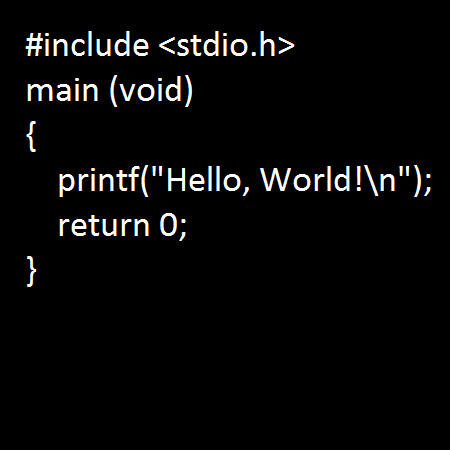
In this example:
- Input: There isn't any direct user input. The input is the text "Hello, World!" which is written directly into the program's instructions.
- Process: The program is instructed to take that text and prepare it for display.
- Output: The text "Hello, World!" appears on the user's screen.
Every app on your phone, every website you visit, and every video game you play is just a much, much larger and more complex version of this basic structure, built from thousands or even millions of simple instructions.
What is the primary purpose of a programming language?
A programming language that is easier for humans to read and write, handling many complex operations behind the scenes, is known as a __________-level language.
With these fundamentals in mind, you're ready to explore how these simple instructions are combined to create powerful and useful software.