Introduction to Product Design Principles
Introduction to Product Design
What is Product Design?
Product design is the entire process of creating a usable product, from a vague idea to a tangible item in a user's hands. It’s about more than just aesthetics. It’s about understanding a problem someone has and building a solution for it.
This applies to both physical objects, like a better coffee mug, and digital experiences, like a mobile banking app. Good design makes a product not just look good, but feel intuitive, function flawlessly, and solve the user's problem effectively.
Product design is the process of identifying a market opportunity, clearly defining the problem, developing a proper solution for that problem and validating the solution with real users.
At its core, product design is a problem-solving discipline. It blends art, science, and technology to create things that people want and need. The person guiding this journey is the product designer.
The Designer's Role
A product designer is an advocate for the user. Their primary responsibility is to understand the user’s needs, behaviors, and motivations. They then use those insights to shape the product's features and overall experience.
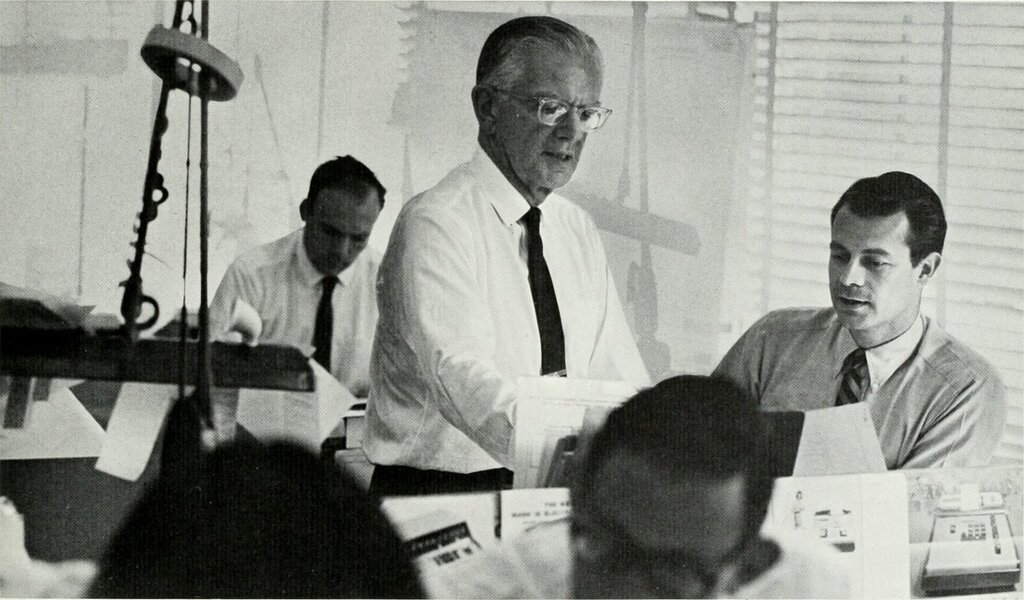
This role is highly collaborative. Designers don't work in a silo. They are the bridge between different teams, working closely with engineers to understand technical limitations, with marketers to align with business goals, and with leadership to ensure the product vision stays on track. They translate requirements from all these areas into a single, cohesive design.
To move from a problem to a solution, designers rely on a structured framework. This framework is often called the product development lifecycle.
From Idea to Launch
The product development lifecycle is a roadmap that takes a product from concept to market and beyond. While specific models can vary, they generally follow a similar path of discovery, creation, and refinement.
Here's a breakdown of those stages:
-
Discover: This is the research phase. The team works to understand the user, the market, and the problem space. They ask questions like, "What challenges do our users face?" and "What opportunities exist?"
-
Define: Armed with research, the team clearly defines the problem they are going to solve. They create a focused problem statement and establish the goals for the project. This ensures everyone is working toward the same objective.
-
Develop: Here, the team starts creating solutions. This involves brainstorming ideas, sketching concepts, creating wireframes, and building prototypes. It’s an iterative stage where ideas are explored and refined.
-
Deliver: The final design is polished and handed off to the engineering team for development. After the product is built and tested, it’s launched to the public. But the work doesn't stop here. The team collects user feedback to inform future improvements.
This lifecycle is not a one-way street. It’s a continuous loop. Feedback from a launched product feeds right back into the discovery phase for the next version.
The common thread tying all these stages together is a focus on the user.
Putting the User First
User-centered design is a philosophy that places the user's needs and goals at the heart of every decision. It’s the idea that if you build something that people genuinely find useful and easy to interact with, it is more likely to succeed.
User-centered design ensures digital products address real user needs, behaviors, and goals.
Without this focus, teams risk building products based on incorrect assumptions. They might create something that is technically impressive but solves a problem nobody has, or is too confusing to use.
By empathizing with users and involving them throughout the design process, designers can avoid these pitfalls and create products that are not only functional but also meaningful and enjoyable.
Now, let's test your understanding of these core ideas.
What is the primary focus of product design?
True or False: A product designer's main responsibility is to advocate for the business's goals above all else.
Understanding these fundamentals provides the foundation for exploring the specific skills and techniques that bring great products to life.