Introduction to Product Design
Introduction to Product Design
What is Product Design?
Product design is the process of identifying a user's need, and then creating a product to solve that problem. It's a broad field that goes far beyond just how something looks. It's about how a product works, how it feels, and how it fits into a person's life. Think about your favorite coffee mug. Someone designed its shape so it's comfortable to hold, chose a material that keeps your drink warm, and made sure the handle is strong enough. That’s product design in action.
It covers the entire journey of creating a usable product, from an initial idea to a physical object or a digital app that people interact with. This involves understanding the user, brainstorming solutions, and refining the final product until it's both functional and delightful.
Oftentimes, design is thought of only in the visual sense, but truly great product design is actually more about solving problems.
Essentially, designers are advocates for the user. They bridge the gap between what a business wants to create and what a person actually needs. A well-designed product feels intuitive and solves a problem so seamlessly that you might not even notice the thought that went into it.
The Principles of Good Design
Good design isn't accidental. It follows a set of core principles that guide designers in creating products that are effective, easy to use, and enjoyable. These principles act as a framework for making decisions throughout the design process.
Design principles act as standards for the product team and help them to measure their work.
Let's explore five key principles that are fundamental to product design.
User-Centered Design
noun
A design philosophy that puts the user's needs, wants, and limitations at the center of the entire design and development process.
This is the most important principle. It means that every decision you make should be with the user in mind. Who are they? What problems are they facing? How will this product make their life better? By focusing on the user, you create products that people will actually want to use.
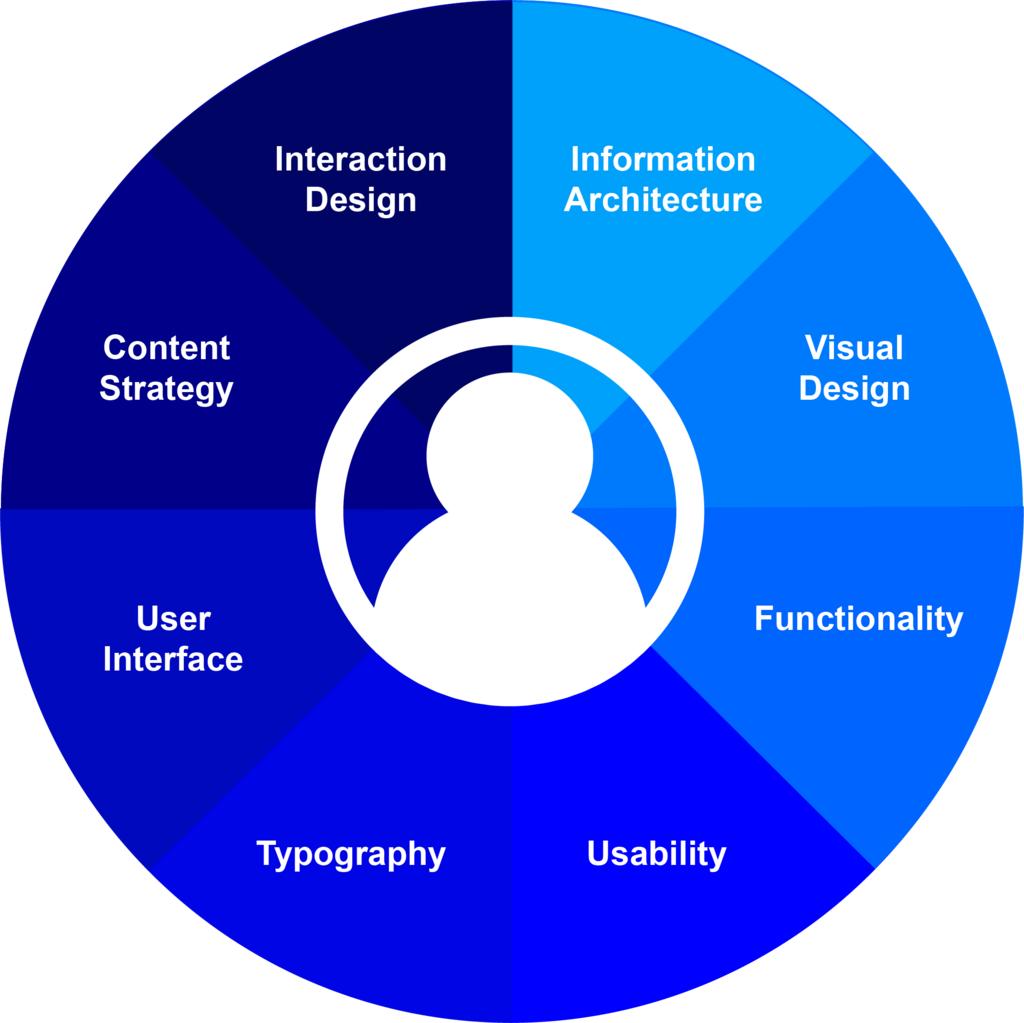
Functionality A product must do what it’s supposed to do, and it must do it reliably. If an alarm clock app doesn’t reliably wake you up, it has failed, no matter how beautiful it looks. Functionality is the bedrock of a product's value. It’s the answer to the user’s basic question: “Can this thing solve my problem?”
A product can be beautiful, but if it doesn’t work, it's just art. Functionality is the promise a product makes to its user.
Usability Closely related to functionality, usability is about how easy and pleasant a product is to use. A product is usable if people can achieve their goals with it effectively and without frustration. Think of a website with a confusing layout. Even if all the links work (functionality), the poor layout makes it difficult to use (low usability). Clear navigation, intuitive controls, and helpful feedback are all hallmarks of good usability.
Integrating usability testing into all phases of your design process is critical–especially design planning (phase 1), feasibility (phase 2), and development (phase 3).
Aesthetics This is about how the product looks and feels. While functionality and usability are crucial, aesthetics play a big role in a user's perception of a product. A visually appealing design can build trust, create an emotional connection, and make the experience more enjoyable. Good aesthetics aren’t just decoration; they should support the product's usability, helping to guide the user's eye and make information easier to understand.
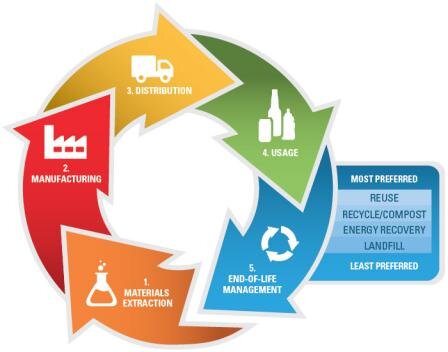
Sustainability Modern product design also considers the long-term impact of a product. This includes its environmental footprint, from the materials used to its energy consumption and end-of-life disposal. It also means creating products that are durable and built to last, rather than being disposable. Sustainable design is about creating products that are responsible and beneficial for both people and the planet.
Let's test your understanding of these core concepts.
According to the provided text, which principle is considered the most important in product design?
An online banking app has a beautiful, modern look, but users frequently struggle to find the button to transfer money. This app is strong in ________ but weak in ________.
These principles form the foundation of creating products that are not only successful in the market but also genuinely improve people's lives.