Introduction to Product Design
Introduction to Product Design
What Is Product Design?
Product design is the process of creating a new product that a business will sell to its customers. It's about more than just aesthetics; it's about solving a problem. Good design blends how a product looks, feels, and works to create a seamless experience for the person using it.
Think about your favorite coffee mug. Someone designed its shape so it's comfortable to hold. They decided on a material that keeps your drink warm but doesn't burn your hands. They chose a size that holds just the right amount of coffee. That's product design in action: a series of intentional decisions that make a product useful, usable, and desirable.
Product design is the process of identifying a market opportunity, clearly defining the problem, developing a proper solution for that problem and validating the solution with real users.
In the digital world, this applies to websites, apps, and software. Product designers work to ensure that a digital product is not only powerful but also intuitive and easy to navigate. They are the architects of the user's experience.
The Role of a Product Designer
A product designer is a problem-solver who advocates for the user. Their primary responsibility is to understand the target audience's needs, frustrations, and goals. They act as a bridge connecting the user's needs with the business's goals and the technical constraints of development.
On any given day, a product designer might be:
- Researching users to understand their behaviors and pain points.
- Defining problems to ensure the team is solving the right issue.
- Brainstorming ideas for potential solutions.
- Creating prototypes to test concepts quickly.
- Collaborating with engineers, product managers, and other stakeholders to bring the product to life.
They guide the product from a rough idea to a polished, functional solution.
One of the key responsibilities of a designer during any design process is to be an advocate for the user.
Why the User Comes First
The most successful products are built with the user in mind from the very beginning. This approach is called user-centered design. Instead of building features based on assumptions, user-centered design starts with empathy. It seeks to deeply understand the people who will use the product.
Why is this so important? Because a product that doesn't meet user needs is unlikely to succeed. Users might find it confusing, frustrating, or simply irrelevant. By focusing on the user, teams can reduce the risk of building the wrong thing, saving time, money, and effort.
An Overview of the Process
While every project is different, the product design process generally follows a series of stages. It's not a strict, linear path, but rather a flexible framework that allows for learning and adaptation along the way. Think of it as a cycle of understanding, creating, and testing.
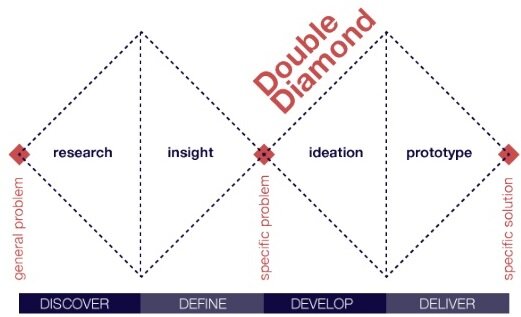
The key stages typically include:
- User Research: It all starts with understanding the user. This phase involves gathering insights about their needs, goals, and challenges through methods like interviews and surveys.
- Ideation: Armed with user insights, the team brainstorms a wide range of creative solutions. The goal here is to explore possibilities without judgment.
- Prototyping: The most promising ideas are turned into tangible, testable models called prototypes. These can range from simple paper sketches to interactive digital mockups.
- Testing: Prototypes are put in front of real users to gather feedback. This helps designers see what works, what doesn't, and where improvements are needed.
- Iteration: Based on user feedback, the design is refined. This cycle of prototyping, testing, and iterating continues until the solution effectively meets the user's needs.
This iterative loop ensures the final product is both well-crafted and genuinely helpful.
Now, let's test your understanding of these core concepts.
What is the primary goal of product design?
A product designer primarily acts as a bridge connecting which three elements?
Understanding these fundamentals provides the foundation for exploring the more detailed aspects of creating products that people love to use.