Introduction to Pottery Making
Clay Types and Properties
The Three Main Clays
Choosing the right clay is the first step in any pottery project. The type of clay you use influences how you work with it, how it's fired, and the characteristics of the final piece. While there are many clay bodies available, they generally fall into three main categories: earthenware, stoneware, and porcelain.
Earthenware
Earthenware is one of the oldest types of pottery, having been used for thousands of years. It's known for its earthy red or orange color, a result of iron and other mineral impurities in the clay. This clay is fired at relatively low temperatures, typically between 1745°F and 2012°F (950°C and 1100°C).
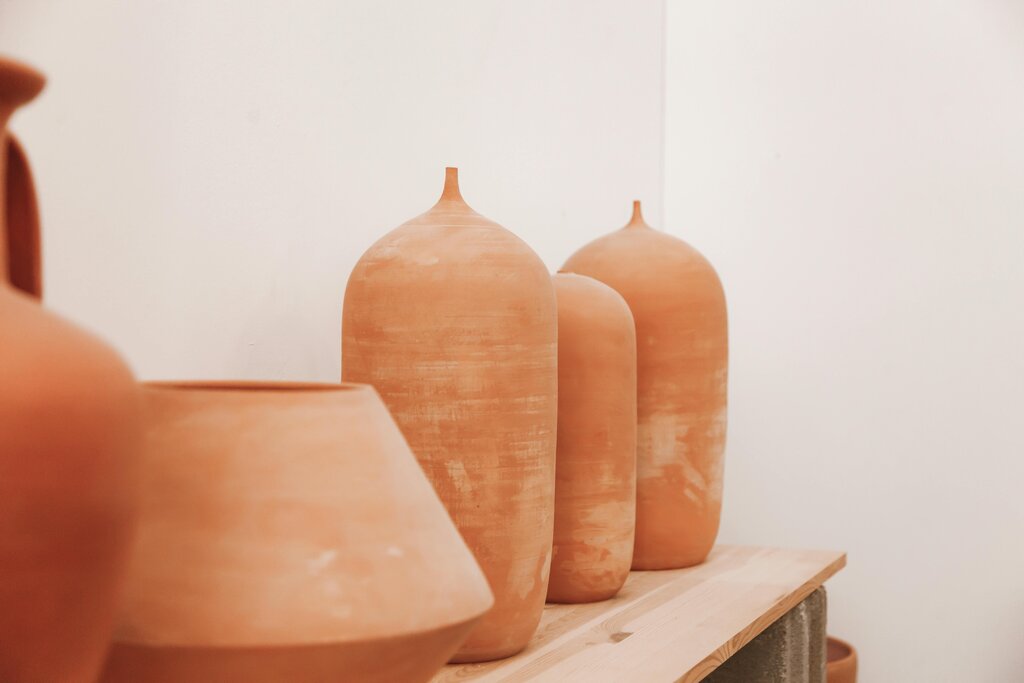
Because of its low firing temperature, earthenware remains porous after firing. This means it can still absorb water unless it's sealed with a glaze. It's also less strong and durable than other clay types, making it more suitable for decorative items, planters, and tiles rather than everyday dinnerware.
Earthenware is highly plastic, meaning it's soft and easy to shape. This makes it a great choice for beginners or for detailed sculptural work.
Stoneware
As its name suggests, stoneware is dense, strong, and durable, much like stone. It is fired at higher temperatures than earthenware, usually between 2100°F and 2372°F (1150°C and 1300°C). This high heat causes the clay particles to partially melt and fuse together in a process called vitrification.
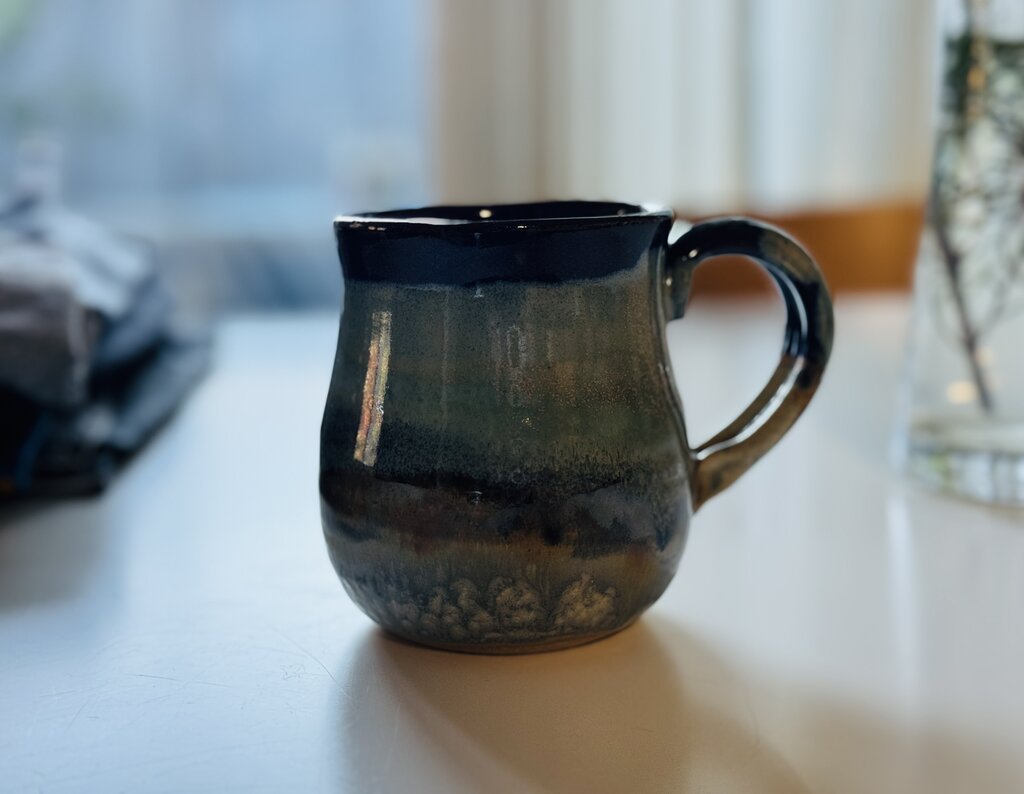
Vitrification makes stoneware non-porous (or waterproof) even without a glaze, although glazes are often used for decoration and to ensure a completely smooth, food-safe surface. Stoneware clay is less plastic than earthenware, requiring a bit more effort to work with, but its strength and versatility make it ideal for functional pottery like dinnerware, bakeware, and vases.
Porcelain
Porcelain is known for its elegance, strength, and translucency. It's made from a very pure, fine-grained white clay called kaolin, mixed with other minerals. To achieve its signature qualities, porcelain must be fired at the highest temperatures of any clay, from 2300°F to 2552°F (1260°C to 1400°C).
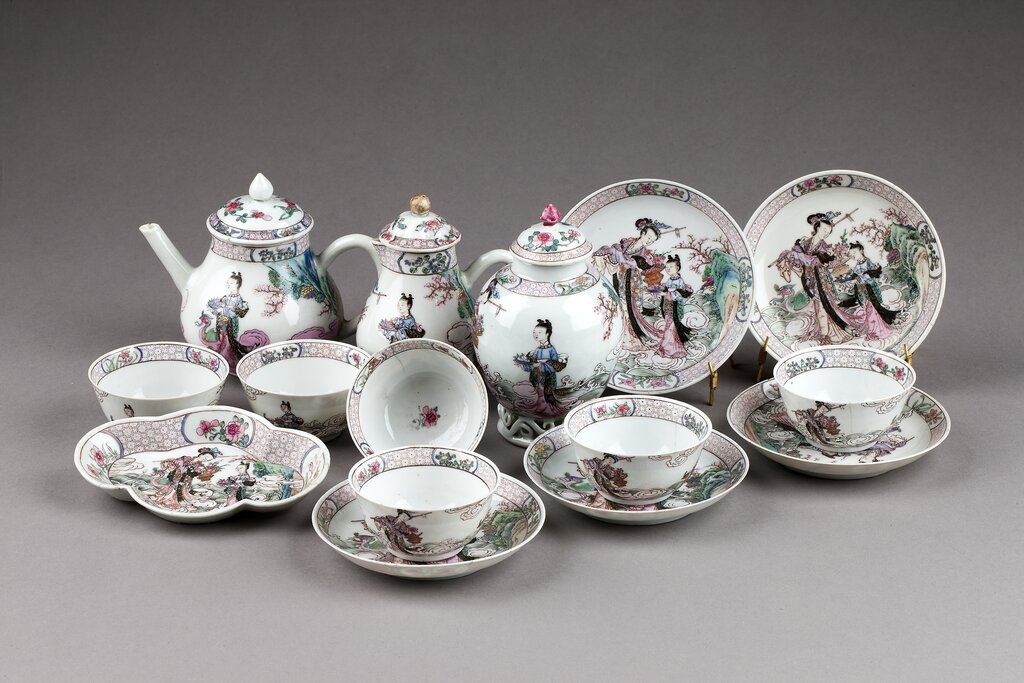
This intense heat makes porcelain extremely hard, dense, and non-porous. When thin, it can be translucent, allowing light to pass through. However, porcelain has very low plasticity, making it the most challenging clay to work with. It's prone to cracking and warping during drying and firing, and it doesn't hold its shape as easily as other clays. It is most often used for fine china, delicate sculptures, and other high-end ceramic art.
Comparing Clay Properties
The key differences between these clays come down to a few core properties. Understanding these will help you select the right material for your project.
Plasticity
noun
The property of clay that allows it to be shaped and to hold that shape. Highly plastic clay is soft and malleable, while clay with low plasticity is firm and more difficult to form.
Workability is closely related to plasticity. Earthenware is the most workable, while porcelain is the least. Stoneware sits in the middle, offering a balance of workability and strength.
Firing temperature is the other critical factor. The temperature at which a clay body matures determines its hardness, porosity, and shrinkage. Firing a clay body above its recommended temperature can cause it to melt or deform, while under-firing it will leave it weak and porous.
| Clay Type | Firing Temperature Range | Key Characteristics |
|---|---|---|
| Earthenware | 1745-2012°F / 950-1100°C | High plasticity, porous, less durable, earthy colors |
| Stoneware | 2100-2372°F / 1150-1300°C | Medium plasticity, strong, non-porous, durable |
| Porcelain | 2300-2552°F / 1260-1400°C | Low plasticity, very hard, translucent, white |
It is essential to match the glaze’s firing range to the clay body’s maturation temperature.
This is crucial. Applying a glaze meant for a high-fire stoneware to a low-fire earthenware piece would result in a poorly fitted, potentially ruined piece. Always check that your clay and glazes are compatible.
Which type of clay is known for being fired at the lowest temperature and remaining porous unless it is glazed?
If you want to create a durable, waterproof set of everyday dinner plates, which clay would be the most practical and suitable choice?
Understanding these three main clay families is a fundamental step. As you gain more experience, you'll develop a feel for which clay best suits your creative vision.