Introduction to Polo
Introduction to Polo
The Sport of Kings
Often called “the sport of kings,” polo is one of the oldest team sports in the world. It’s a fast-paced game played on horseback, combining the skills of horsemanship with the strategy of a ball game. Imagine hockey or soccer, but with players riding horses and using long-handled mallets to hit a small ball.
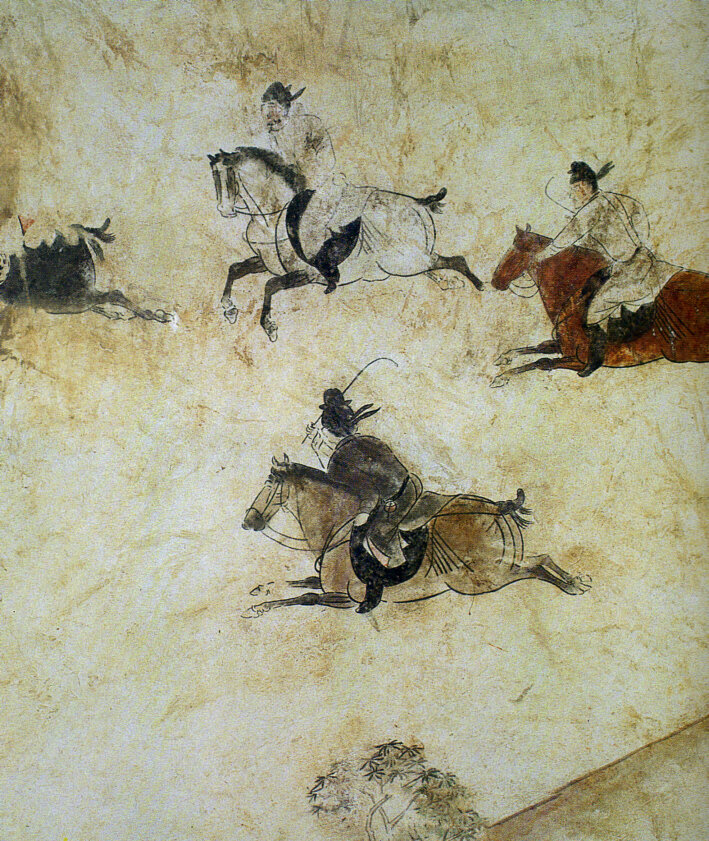
The game has a rich history, deeply intertwined with cavalry training and nobility across various cultures. Its blend of elegance, power, and precision has captivated players and spectators for centuries.
A Quick History
Polo's story begins over 2,500 years ago in ancient Persia, what is now modern-day Iran. It wasn't just a game; it was a training exercise for the king's elite cavalry units. Matches could involve hundreds of players on each side, serving as a substitute for battle.
From Persia, the sport spread east. It became a favorite pastime in China, Japan, and across the Indian subcontinent. In many of these cultures, polo was the exclusive domain of royalty and the military elite, reinforcing its prestigious reputation.
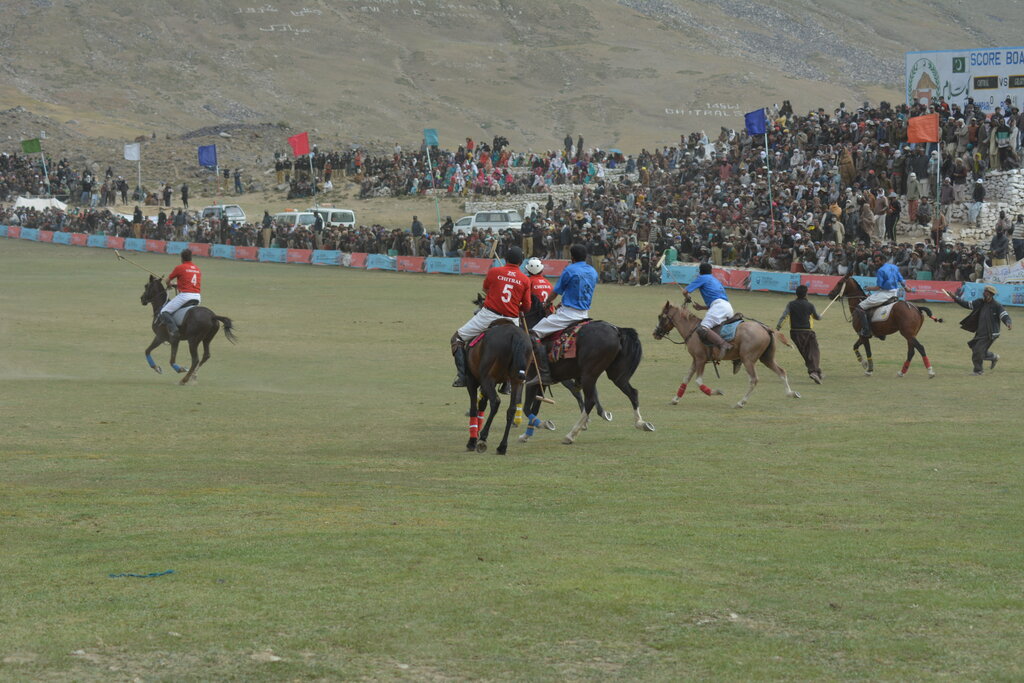
The modern game of polo took shape in the 19th century. British military officers stationed in Manipur, India, discovered the sport and became fascinated. They formalized the rules and brought it back to England, from where it spread to the rest of the world, particularly Argentina, the United States, and other parts of the British Commonwealth. It was even an Olympic sport on five occasions between 1900 and 1936.
How Polo is Played
The objective of polo is simple: score goals by hitting a small, hard ball through the opposing team's goalposts using a long-handled mallet. A standard polo team has four players on the field.
The game is played on a large grass field, about 300 yards long and 160 yards wide, which is roughly the size of nine football fields. This massive playing area is necessary to accommodate the speed and movement of the horses.
A polo match is divided into periods called chukkers. Each chukker lasts seven minutes. A typical match consists of four to six chukkers, with short breaks in between for players to switch to fresh horses. Because the game is so demanding on the animals, a horse generally plays for no more than two chukkers in a single match.
While there are specific numbered positions, the team works as a fluid unit. Some players focus more on offense and scoring, while others take on defensive roles to prevent the other team from scoring. Teamwork and communication are essential to control the flow of the game.
The core of the game is about anticipation and teamwork. Players must predict where the ball will go and coordinate with their teammates and horses to get there first.
Ready to test your knowledge? Let's see what you've learned about the sport of kings.
Where did the sport of polo originate over 2,500 years ago?
A polo match is divided into periods of play. What are these periods called?
That's the basic introduction to polo. It's a sport with a deep history, a global presence, and a unique combination of athletic skill from both human and horse.