Introduction to Poker
Poker Basics
The Goal of the Game
The main objective in poker is to win the pot, which is the sum of all bets made in a single hand. You can do this in two ways: by having the best hand at the end of all the betting rounds, or by convincing all other players to fold their hands, leaving the pot for you.
Winning without showing your cards is a key part of the game. It’s not always about having the strongest hand, but playing your opponents effectively.
Tools of the Trade
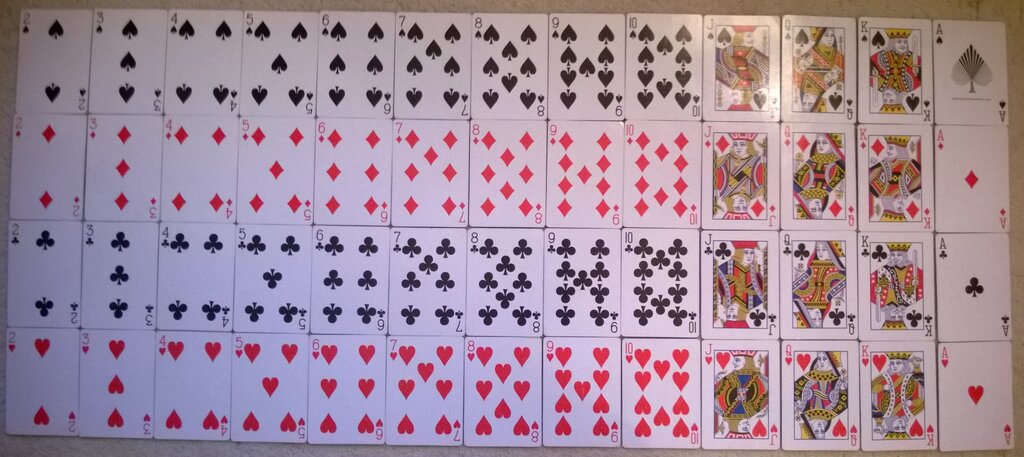
Poker is played with a standard 52-card deck. The deck has four suits: spades (♠), hearts (♥), diamonds (♦), and clubs (♣). Each suit contains 13 ranks, from Ace down to 2. In most poker games, like Texas Hold'em, the suits themselves have no value relative to each other.
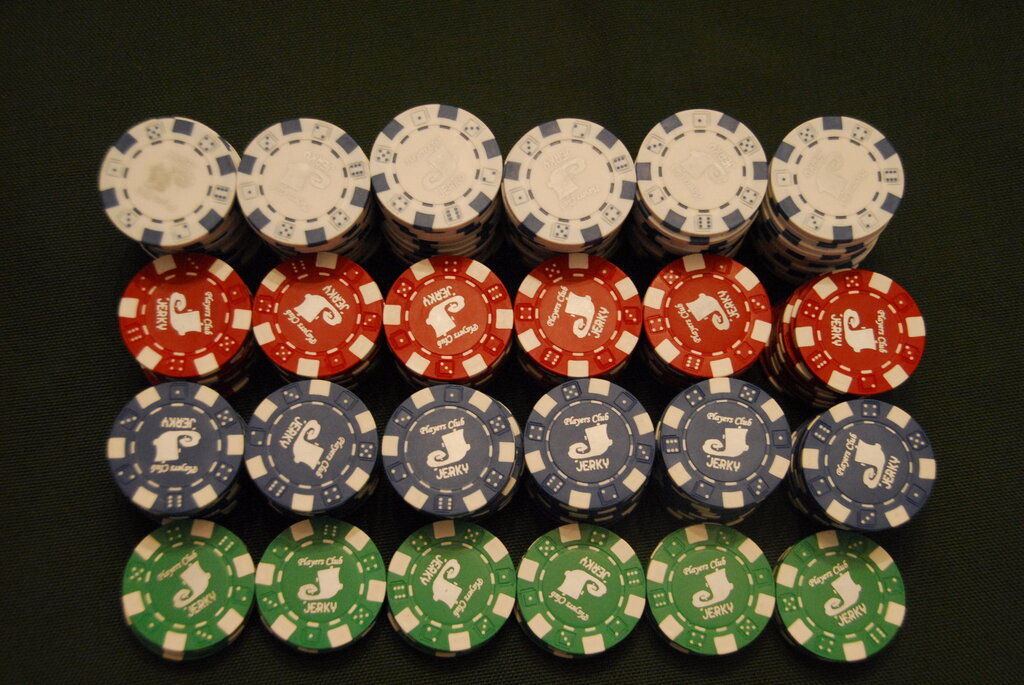
Instead of cash, the game uses poker chips. Each color typically represents a different monetary value, making it easy to track bets.
Who's Who at the Table
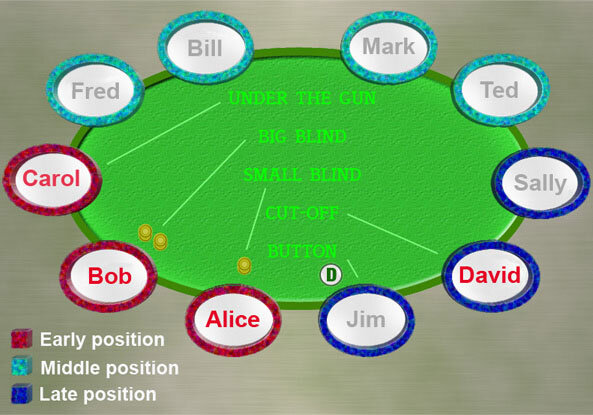
Every game revolves around the dealer button, a small disc that moves one spot to the left after each hand. This button marks the player who is the nominal dealer for that round. The player with the button is the last to act in most betting rounds, which is a significant advantage.
Position is one of the most important elements of gameplay in poker.
Your position refers to where you are seated in relation to the dealer button. Acting after your opponents gives you more information, allowing you to make better decisions. Players who act first are in "early position," while those who act last are in "late position."
Forced Bets
To get the action started, most poker games use forced bets called blinds. Before any cards are dealt, the two players to the immediate left of the dealer button must post the small blind and the big blind. The big blind is usually double the small blind.
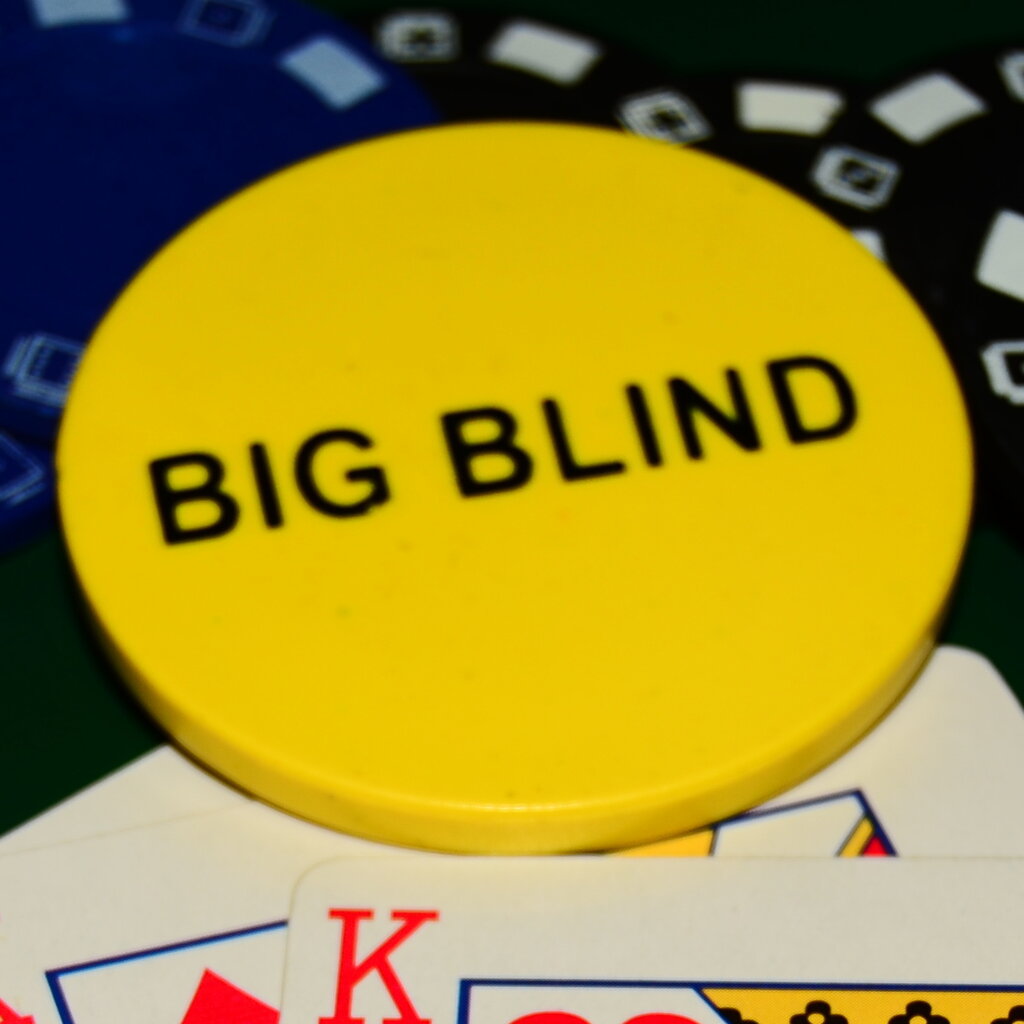
These forced bets create an initial pot for players to compete for and give everyone a reason to play the hand. Without blinds, players could simply wait until they were dealt a perfect hand with no penalty.
Ante
noun
A mandatory bet required of all players before a hand begins. It's used in some poker variants, often in addition to blinds.
Now that you know the basic setup, let's test your understanding.
What is the primary objective in a hand of poker?
Which player is in the most advantageous position during most betting rounds?
You've got the essentials down. You know the objective, the equipment, the roles, and how the action starts. Next up, we'll dive into what you can do when it's your turn to act.