Introduction to Poker
Poker Basics
The Tools of the Trade
Poker is played with a standard 52-card deck. Think of it as your toolkit. Every card has a specific identity, and knowing them is the first step to playing the game well.
The deck is divided into four groups, called suits. Each suit has 13 cards. The four suits are hearts (♥), diamonds (♦), clubs (♣), and spades (♠). Hearts and diamonds are red, while clubs and spades are black. In most poker games, all suits have the same value. A heart is no more powerful than a spade just because of its suit.
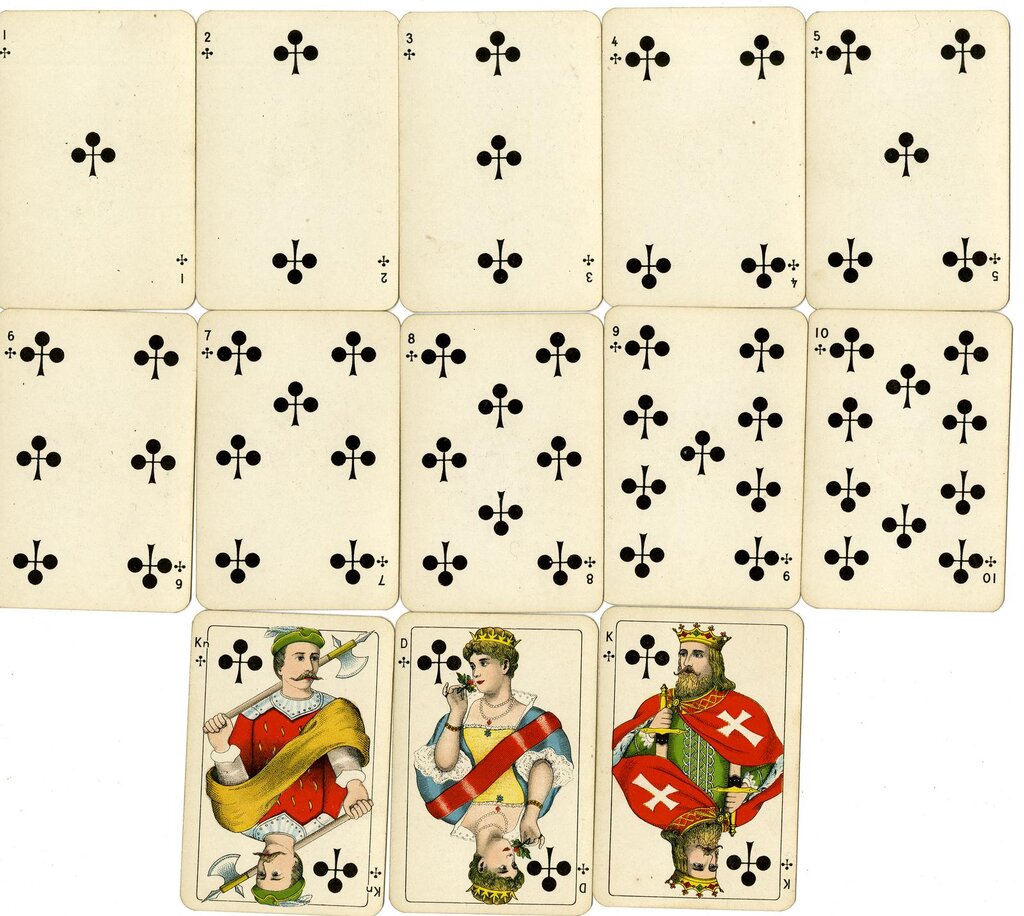
| Suit | Symbol | Color |
|---|---|---|
| Hearts | ♥ | Red |
| Diamonds | ♦ | Red |
| Clubs | ♣ | Black |
| Spades | ♠ | Black |
From Deuce to Ace
Within each suit, the 13 cards have a specific rank. The card's rank determines its value. The lowest card is the 2 (also called a deuce), and the value increases up to the 10.
After the 10 come the face cards: the Jack (J), the Queen (Q), and the King (K). The highest and most powerful card in the deck is the Ace (A).
So, the full ranking from lowest to highest is: 2, 3, 4, 5, 6, 7, 8, 9, 10, Jack, Queen, King, Ace.
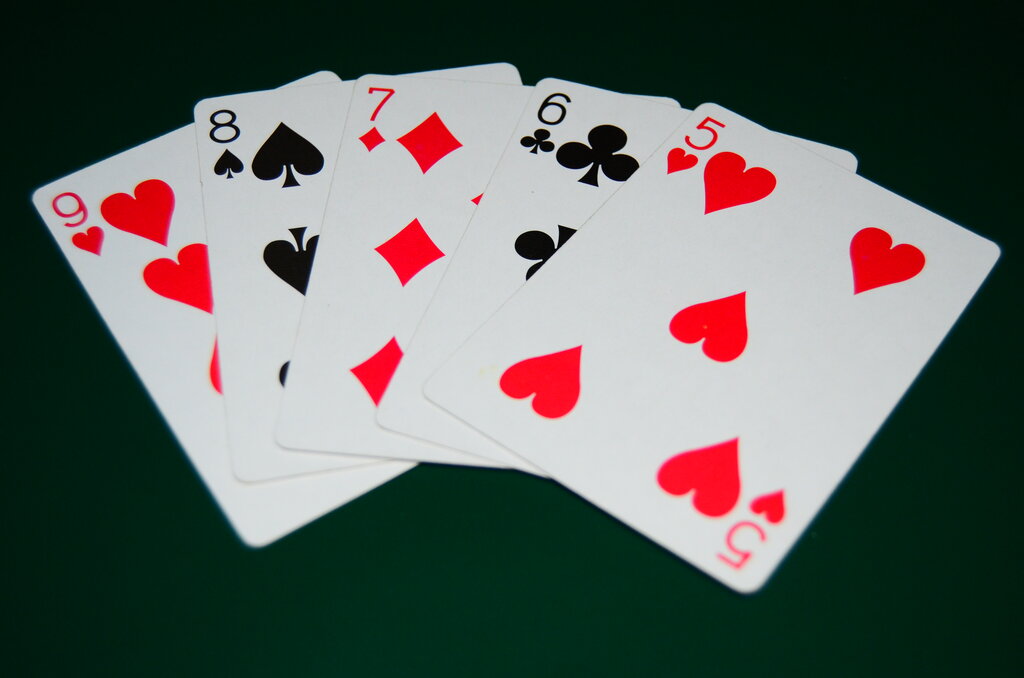
Remember: The Ace is the highest card, and the 2 is the lowest. All suits are equal.
That's it. 52 cards, four suits, and thirteen ranks. With these fundamentals down, you're ready to learn how to combine these cards to make powerful hands.