Introduction to Plumbing Essentials
Plumbing Basics
Plumbing Through the Ages
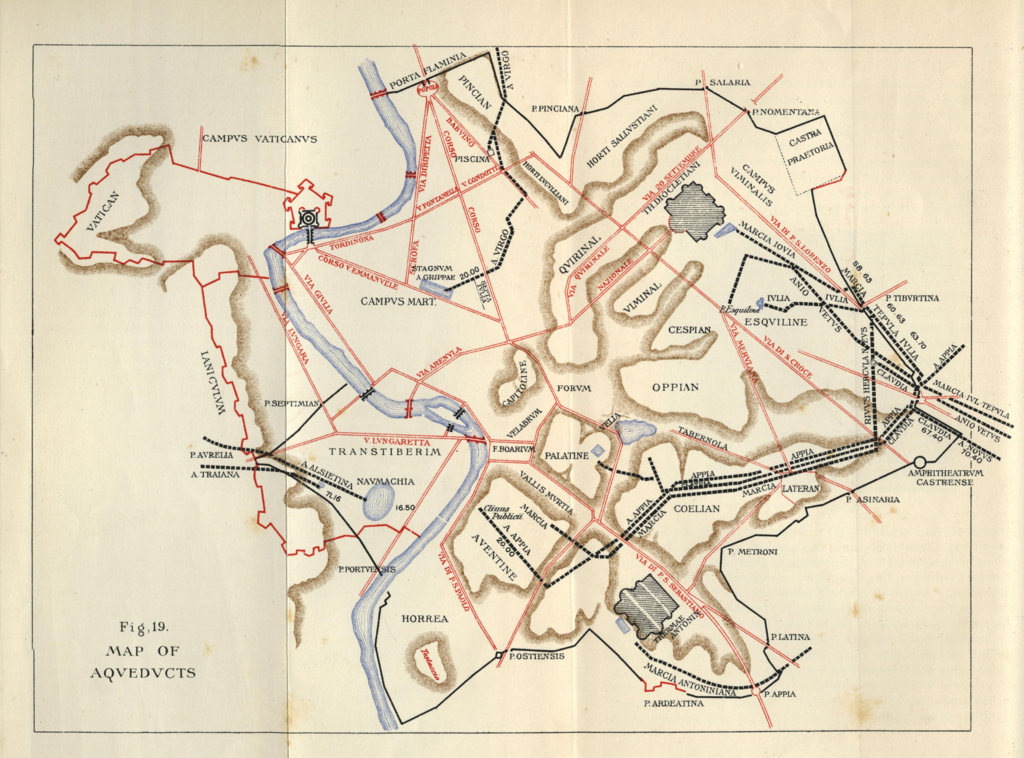
Plumbing isn't a modern luxury. It's an ancient innovation that has been essential for public health for thousands of years. The Romans are famous for their aqueducts, massive structures that carried fresh water into cities for public baths and fountains. They used lead pipes to distribute water, a material choice we now know has serious health risks, but their engineering was revolutionary.
After the fall of Rome, plumbing technology stagnated for centuries. Cities became less sanitary, and diseases spread more easily. It wasn't until the 19th century that a modern understanding of germs and sanitation led to a rebirth in plumbing. Cities began building comprehensive sewer systems and water treatment facilities, drastically improving public health. Every time you turn on a faucet for clean water or flush a toilet, you're benefiting from this long history of engineering.
Your Home's Two Systems
Think of your home's plumbing as two separate, one-way street systems. One brings fresh water in, and the other takes wastewater out. They never mix.
The Water Supply System This is the pressurized system that brings clean water into your house. It starts at a municipal water main or a private well. A large pipe, the main supply line, enters your home and then splits into two paths: one for cold water and one that goes to your water heater. From there, smaller pipes run to every faucet, toilet, shower, and water-using appliance.
The Drain-Waste-Vent (DWV) System This system works with gravity, not pressure. When you're done with water, it flows down the drain. Each drain has a P-trap, a U-shaped pipe that holds a small amount of water. This water plug blocks sewer gases from rising up into your home. All drain pipes are angled downward, leading to a large vertical pipe called a soil stack, which eventually connects to the city sewer line.
A crucial, and often invisible, part of this system is the vent. Vent pipes extend from the drainpipes up through the roof. They don't carry water. Instead, they allow air to enter the drainage system, preventing suction that could pull water from the P-traps and allowing wastewater to flow smoothly.
Common Materials and Tools
Plumbing systems use a variety of materials, each with its own purpose. For water supply lines, you'll commonly see copper, PEX, and CPVC. For drain lines, PVC and ABS are the standards.
Choosing the right material depends on the application, local building codes, and budget.
| Material | Common Use | Pros | Cons |
|---|---|---|---|
| Copper | Water supply lines | Durable, long-lasting, recyclable | Expensive, requires skill to solder |
| PEX | Water supply lines | Flexible, easy to install, freeze-resistant | Can be damaged by UV light |
| PVC | Drain/Vent lines | Inexpensive, easy to cut and glue | Becomes brittle with age, not for hot water |
| ABS | Drain/Vent lines | Strong, durable, easy to install | Not allowed by some local codes |
You don't need a truck full of equipment to handle basic plumbing tasks. A few key tools will get you through most minor repairs, like clearing a clog or tightening a leaky fitting.
Essential homeowner tools include a cup plunger (for sinks) and a flange plunger (for toilets), an adjustable pipe wrench, and a pair of channel-type pliers. With these, you can tackle many common issues.
Essential Terminology
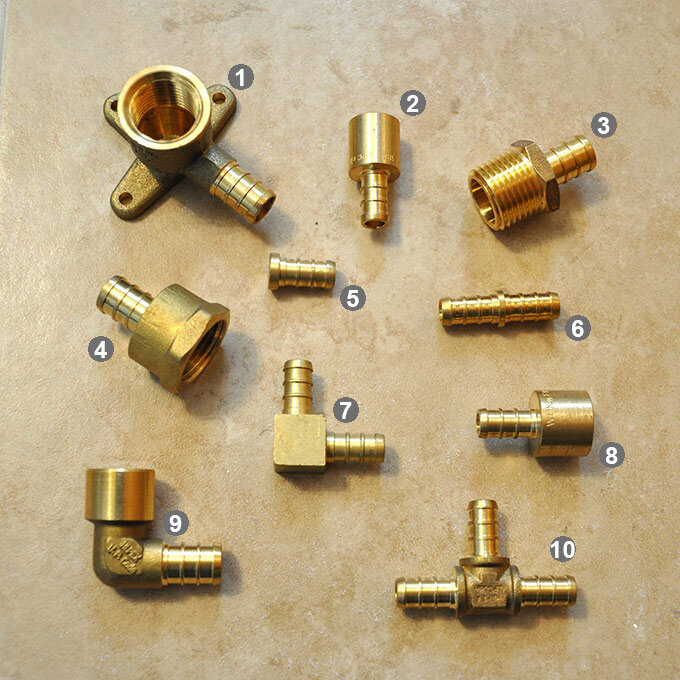
Like any trade, plumbing has its own language. Understanding a few key terms will help you diagnose problems and know what you're looking at when you open up the cabinet under the sink.
fixture
noun
Any device that provides or drains water, such as a sink, toilet, bathtub, or shower.
valve
noun
A device that regulates the flow of water. Shutoff valves are used to stop the water supply to a specific fixture or the entire house.
riser
noun
A vertical pipe that supplies water upwards to one or more floors in a building.
Now that you've got the basics down, let's test your knowledge.
What is the primary purpose of vent pipes in a Drain-Waste-Vent (DWV) system?
Which of these materials is most commonly used for modern drain and waste pipes, not supply lines?
With this foundation, you're better equipped to understand how your home's plumbing works and how to approach simple maintenance tasks.