Introduction to Plants for Class 3
Plant Parts
The Building Blocks of a Plant
Just like a house is built from walls, a roof, and a foundation, a plant is built from several key parts. Each part has a specific job to do, and they all work together to help the plant live, grow, and thrive. Let's take a look at these parts, starting from the ground up.
Down in the Dirt
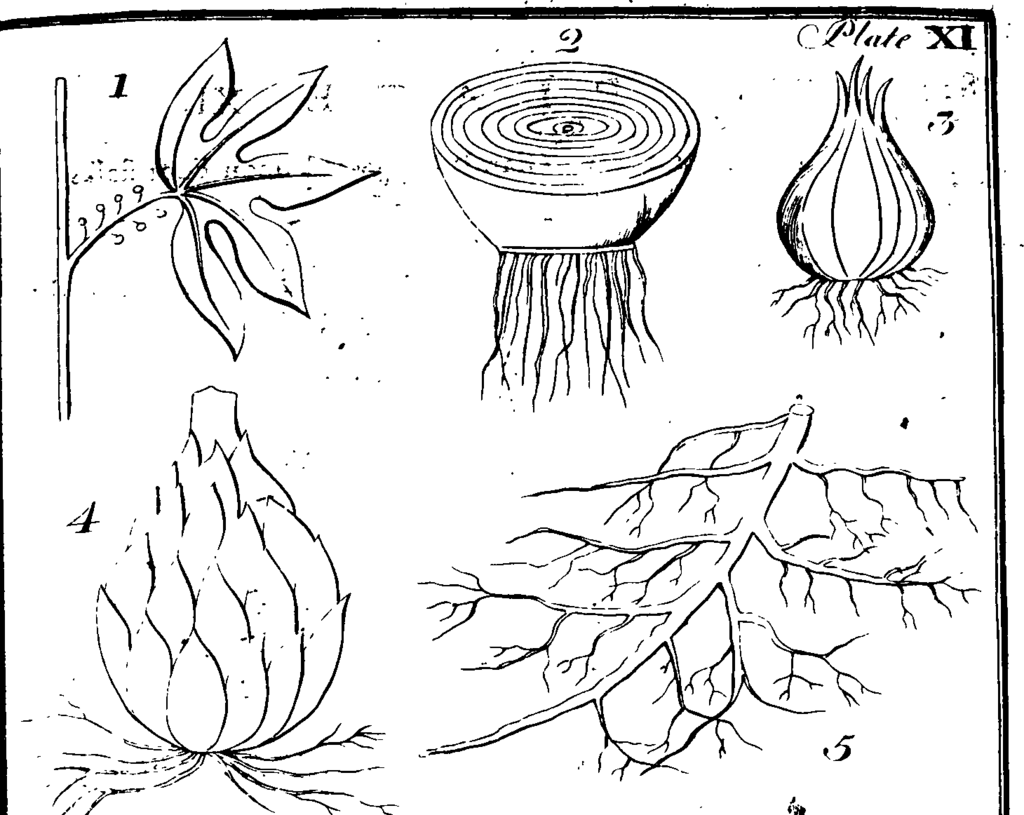
Hidden beneath the soil are the roots. They have two main jobs. First, they act like an anchor, holding the plant firmly in the ground so it doesn't blow away in the wind. Second, they absorb water and nutrients from the soil, which are essential for the plant's survival. Think of them as tiny straws, sucking up a drink for the rest of the plant.
Some plants have a single, thick main root called a taproot that grows straight down, with smaller roots branching off. Carrots and radishes are good examples. Other plants have a fibrous root system, which is a dense network of thin roots that spread out close to the surface.
Above the ground, the stem takes over.
The Plant's Highway
The stem is the plant's main support structure, holding up the leaves, flowers, and fruit. But it's also a transportation system. It contains a network of tubes that carry the water and nutrients absorbed by the roots up to the leaves. It also transports the food made in the leaves down to the rest of the plant.
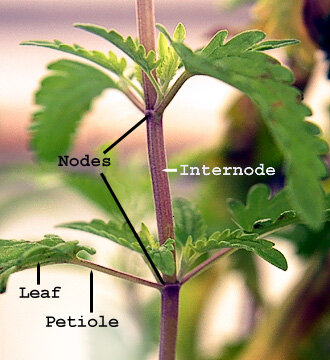
The points on a stem where leaves attach are called nodes. The space between two nodes is called an internode. This structure helps space out the leaves so they can all get enough sunlight.
Attached to the stems are the leaves, the powerhouses of the plant.
The Food Factories
Leaves are the primary sites where plants make their food, using sunlight, water, and air. Most leaves are flat and wide to maximize the amount of sunlight they can capture, like tiny solar panels.
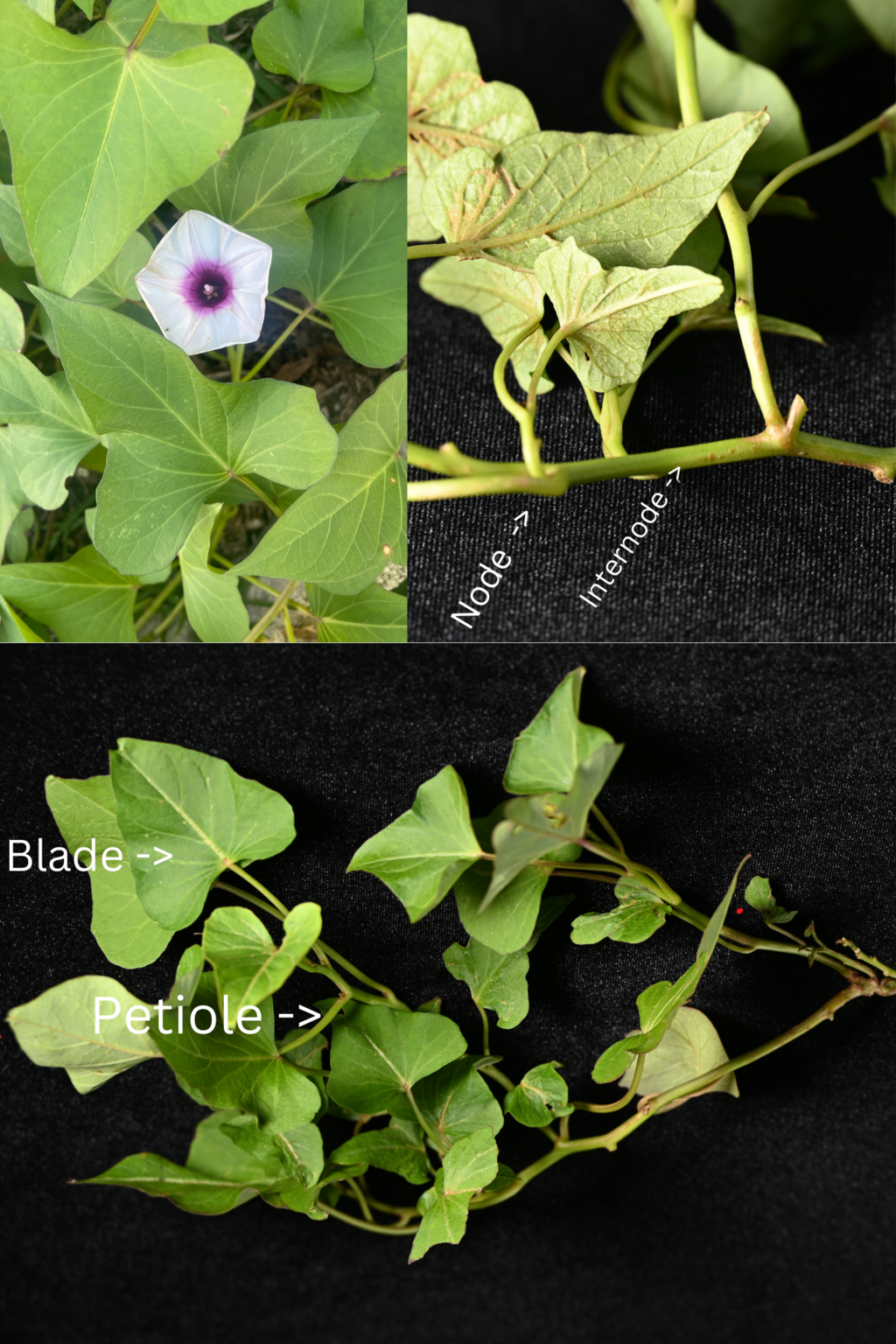
A typical leaf has two main parts: the blade and the petiole. The blade is the broad, flat part of the leaf. The petiole is the stalk that connects the leaf blade to the stem. The pattern of veins you see on a leaf blade are part of the plant's transport system, bringing water in and taking food out.
Next, we have the most colorful parts of many plants: the flowers.
From Flowers to Fruits
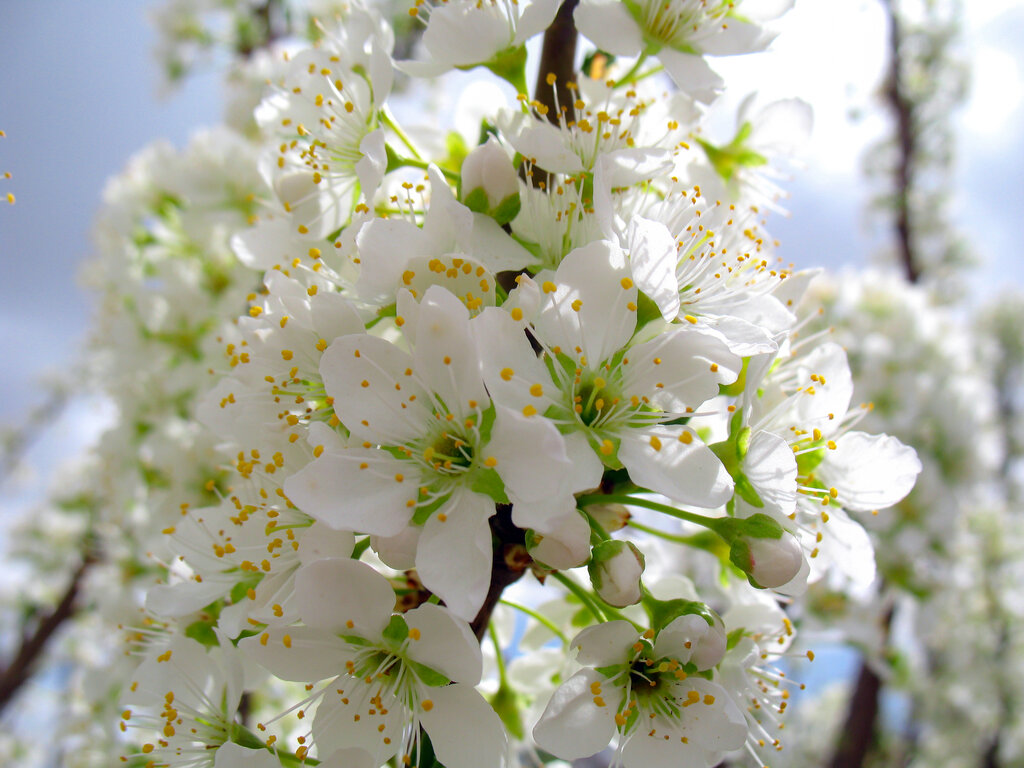
Flowers are the reproductive part of most plants. They are often brightly colored and fragrant to attract pollinators like bees and butterflies. The main job of the flower is to produce seeds so the plant can create offspring.
Once a flower is pollinated, an amazing transformation begins. The flower withers, and the part of it that contains the tiny, developing seeds swells up and becomes a fruit. The fruit's job is to protect the seeds inside it.
Fruits can be fleshy, like apples and berries, or dry, like nuts and acorns. They are often tasty, which encourages animals to eat them. When the animal moves to a new location, it deposits the seeds, helping the plant spread.
Inside every fruit, you'll find the final piece of the puzzle: the seeds.
Seed
noun
An embryonic plant enclosed in a protective outer covering. A seed contains everything needed to grow into a new plant.
A seed is a tiny package containing a baby plant (the embryo) and a food supply. When conditions like temperature and moisture are just right, the seed will germinate, or start to grow. A new plant will emerge, and the entire cycle will begin again.
Ready to test your knowledge? Let's see what you've learned about the parts of a plant.
What are the two primary functions of a plant's roots?
Which part of the plant is primarily responsible for making food using sunlight?
Each part of a plant plays a vital role. From the roots anchoring it in the soil to the seeds that promise a new generation, every component works in concert to help the plant survive and reproduce.