Introduction to Pilates
Introduction to Pilates Principles
The Core of the Matter
Pilates is more than just a series of exercises. It’s a method of movement built on a set of guiding principles. Understanding these concepts is the key to unlocking the full benefits of the practice, transforming a simple workout into a mindful, strengthening experience.
Pilates is more than just a workout — it’s a method built on six guiding principles that shape how every movement is performed.
These six principles—Centering, Control, Flow, Breath, Precision, and Concentration—work together. They teach you not just what to do, but how to do it with intention and awareness.
Centering and Control
Everything in Pilates starts from your center. This is what Joseph Pilates called the “powerhouse”—the muscles of your abdomen, lower back, hips, and pelvis. Think of it as a sturdy corset of muscles that supports your spine and provides a stable foundation for every movement.
Centering involves initiating all movement from your body’s center, which Joseph Pilates called the “Powerhouse.”
Once you've engaged your center, the next step is control. Pilates isn't about fast, jerky motions or using momentum. It’s about deliberate, conscious muscle engagement. Each part of an exercise is performed with purpose, from the beginning, through the middle, to the very end of the movement. This focus on quality over quantity is what makes the practice so effective.
Slower, more controlled movements build deeper strength and body awareness.
Flow and Breath
Pilates exercises are designed to connect smoothly, one after the other. This creates a sense of flow and grace in your movements. Instead of a series of static poses, a Pilates session feels like a continuous, fluid dance. This not only builds stamina but also trains your body to move with efficiency and ease.
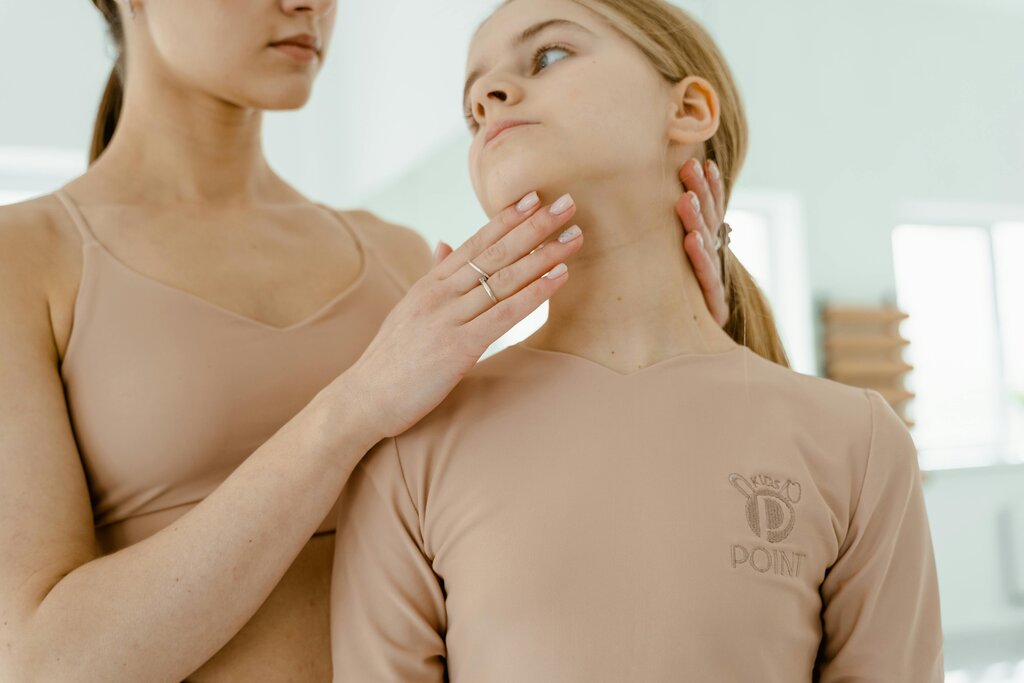
Your breath is the engine that drives this flow. In Pilates, breathing is intentional and coordinated with every movement. A deep, full breath helps engage your core muscles, oxygenates your body, and brings a sense of calm and focus to your practice. You'll typically inhale to prepare for a movement and exhale during the exertion part of the exercise.
Breathing might seem like a basic function, but in Pilates, it’s an integral part of the practice.
Precision and Concentration
Every movement in Pilates has a purpose. Precision is about paying attention to the details—the placement of your hands, the alignment of your spine, the angle of your leg. It’s about doing one movement correctly rather than ten sloppy ones. This focus on proper form ensures you're working the right muscles and preventing injury.
Pilates places a strong emphasis on controlled, precise movements.
To achieve this precision, you need concentration. This is the mind-body connection in action. During a Pilates session, you're asked to be fully present, focusing on your breath, your alignment, and the specific muscles you're using. By tuning out distractions and tuning into your body, you enhance the effectiveness of every exercise.
Concentration in Pilates is all about focusing your mind on the movements you are performing.
These six principles are the foundation of all Pilates. By embracing them, you'll build not just physical strength, but a deeper understanding and control of your own body.
Ready to check your understanding of these core concepts?
In Pilates, the term "powerhouse" refers to which group of muscles?
The principle of 'Control' in Pilates emphasizes fast, powerful movements to build strength quickly.
By keeping these principles in mind, you're setting yourself up for a safe and effective practice.