Introduction to Pilates
Introduction to Pilates
What is Pilates?
Pilates is a low-impact exercise method that focuses on building strength, improving flexibility, and developing control of the body. It's a system that links mind and body, emphasizing quality of movement over quantity of repetitions.
The popular low-impact exercises developed by Joseph Pilates combine core stabilization, strength, flexibility, balance and proper alignment with concepts like mindfulness, breathing techniques and fluidity of movement.
Unlike some forms of exercise that isolate specific muscles, Pilates works the body as a whole. The goal is to create a strong, balanced, and aligned physique, which can improve posture, reduce the risk of injury, and enhance athletic performance.
The Man Behind the Method
The story of Pilates begins with its creator, Joseph Pilates. Born in Germany in 1883, he was a frail child who suffered from asthma and rickets. Determined to overcome his physical limitations, he dedicated his life to studying anatomy and various forms of movement, including gymnastics, boxing, and yoga.
He developed his own system of exercises, which he originally called "Contrology." The name reflected his belief in using the mind to control the muscles.
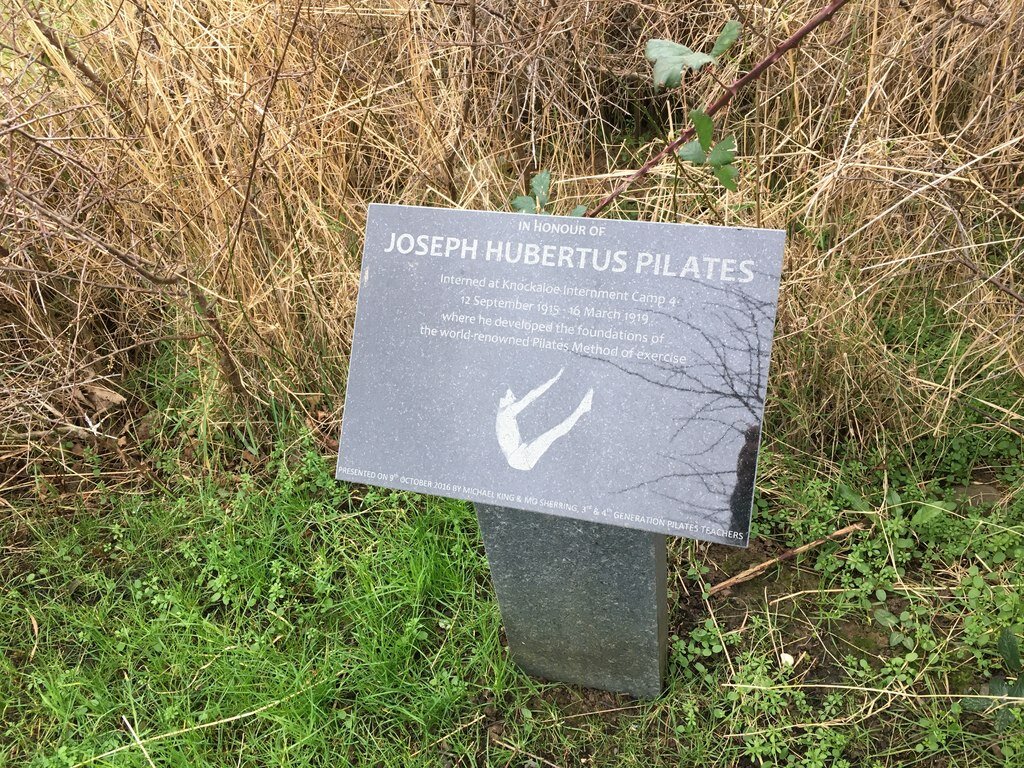
During World War I, while interned in England, Pilates worked as a nurse. It was here that he began rigging springs to hospital beds, allowing bedridden patients to exercise against resistance. This innovative approach laid the groundwork for the equipment he would later invent, like the famous Pilates Reformer.
After the war, he moved to New York City and, with his wife Clara, opened a studio. His method quickly gained a following among dancers and athletes who found it invaluable for rehabilitation and conditioning.
The Six Core Principles
To truly practice Pilates, you need to understand its guiding philosophy. It's not just about going through the motions; it's about how you move. This is governed by six fundamental principles.
Breathing, Centering, Concentration, Control, Flow and Precision are the six fundamental principles of the Pilates method as written by Joseph Pilates.
Let's break down what each principle means.
| Principle | Meaning |
|---|---|
| Concentration | Focusing your mind on every movement. Be present and aware of your body. |
| Control | Executing each exercise with deliberate, muscular control, not momentum. |
| Centering | Initiating all movement from your core, or what Pilates called the "powerhouse." |
| Flow | Moving smoothly and gracefully from one exercise to the next. |
| Precision | Every movement has a purpose. Pay attention to the details of proper form. |
| Breath | Using deep, coordinated breathing to fuel your muscles and guide movement. |
These principles work together in every exercise. Concentration helps you achieve control. Centering provides a stable base for movement. Precision ensures you get the maximum benefit from each action, while breath and flow connect everything into a unified workout.
Mastering these ideas is the key to unlocking the full benefits of Pilates. They transform a simple series of exercises into a powerful mind-body practice.
What did Joseph Pilates originally name his exercise method, reflecting his belief in using the mind to guide the muscles?
The inspiration for the first Pilates equipment, like the Reformer, came from what experience in Joseph Pilates' life?