Introduction to Phytolith Analysis
Introduction to Phytoliths
The Plant's Glass Skeleton
Plants build their bodies primarily from soft, organic materials. But many also create something much harder and more durable within their tissues: microscopic structures made of glass. These are called phytoliths.
Phytolith
noun
A microscopic body of silica (silicon dioxide) formed within the cells of a living plant.
The process starts when a plant's roots absorb water from the ground. Dissolved in this water is silicic acid, a compound of silicon, oxygen, and hydrogen. The plant transports this watery solution up through its vascular system, distributing it to its leaves, stem, and even flowers.
Inside the plant's cells, a transformation occurs. The plant precipitates the silicic acid, turning it into solid silica dioxide—the same compound that makes up quartz and glass. This solid silica forms a perfect, microscopic cast of the cell it grew in. When the plant dies and decays, these tiny glass skeletons are left behind in the soil, preserving a record of the plant that made them.
A Gallery of Shapes
Because phytoliths are molded inside different types of plant cells, they come in a huge variety of shapes and sizes. A phytolith from a grass leaf cell looks completely different from one formed in the woody stem of a tree. This incredible diversity is what makes them so useful for identifying plants, even long after the plant itself is gone.
Some shapes are simple spheres or sheets. Others are complex, with intricate hooks, lobes, or spines. Botanists have developed entire classification systems based on these forms.
Identifying these shapes allows scientists to reconstruct past environments. For example, the presence of dumbbell-shaped phytoliths is a strong indicator of certain types of grasses, suggesting an open grassland.
| Phytolith Type | Common Plant Source |
|---|---|
| Bilobate (Dumbbell) | Grasses (Poaceae family) |
| Spheroid (spherical) | Woody dicots (trees) |
| Elongate | Epidermal cells of leaves |
| Conical | Conifers |
Why Plants Make Them
Plants don't create these glass structures by accident. Phytoliths serve several important biological functions that help a plant survive and thrive.
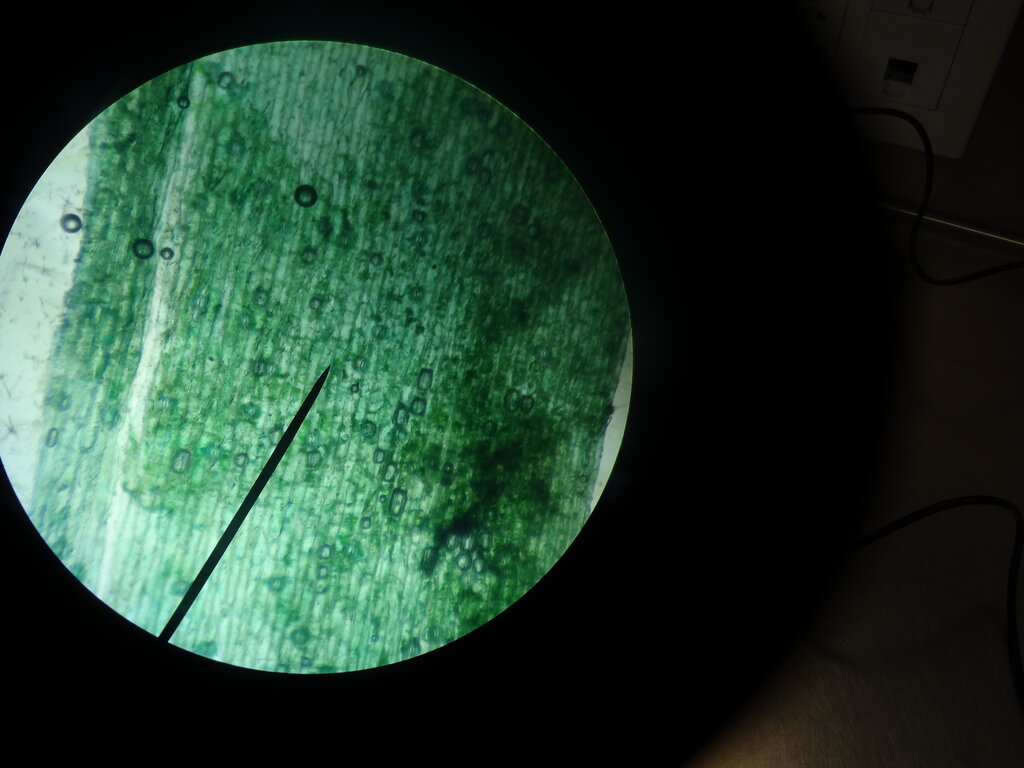
One primary role is structural support. Just as bones give animals a rigid framework, phytoliths add strength and stiffness to plant tissues. They help keep blades of grass standing upright, maximizing their exposure to sunlight.
A second, crucial function is defense. Silica is hard and abrasive. For a grazing animal or an insect, chewing on a plant rich in phytoliths is like eating sand. This wears down their teeth or mandibles, discouraging them from feeding on the plant. Some phytoliths are even shaped like sharp needles, creating a physical barrier against insect pests.
Finally, phytoliths help plants manage environmental stress. They can reduce water loss from leaves, provide protection against fungal infections, and help sequester toxic heavy metals from the soil, preventing them from harming the plant's sensitive metabolic machinery.
By building a glassy internal skeleton, plants armor themselves against predators and the elements.
Understanding what phytoliths are and why plants create them is the first step in appreciating their scientific importance. These tiny, durable fossils hold a wealth of information about the plants that made them.
Time to check your understanding of these tiny plant structures.
What is the primary chemical compound that makes up phytoliths?
How are phytoliths formed inside a plant?
Now that you've learned the basics of what phytoliths are, we can begin to explore how they are used in scientific research.