Introduction to Photography
Introduction to Photography
A Brief History of Light
Before we had cameras, we had the camera obscura, which is Latin for “dark room.” Imagine a completely dark room with a single tiny hole in one wall. Light from the outside would pass through the hole and project an inverted image of the world onto the opposite wall. Artists used this principle for centuries to trace scenes with remarkable accuracy.
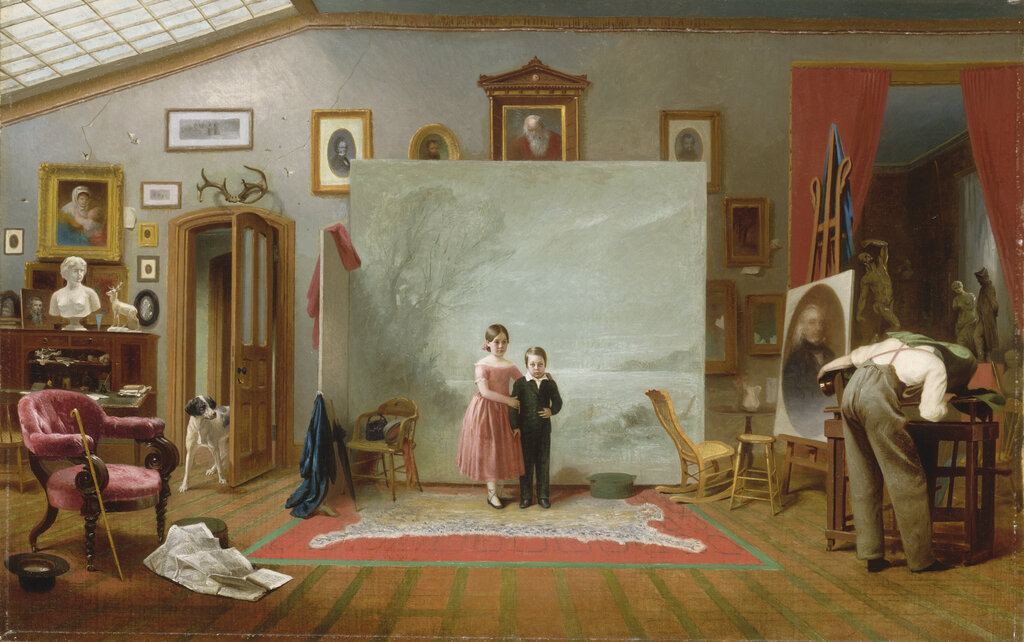
Photography as we know it began in the 1820s when inventors figured out how to permanently capture these images on light-sensitive materials. The first photograph was a blurry view from a window that took several days to expose. From there, technology advanced rapidly. Daguerreotypes on polished silver plates gave way to film, making photography more accessible.
For over a century, film was king. Photographers had to carefully choose their film, shoot their shots, and then develop the images in a darkroom. This chemical process was a craft in itself, requiring precision and patience.
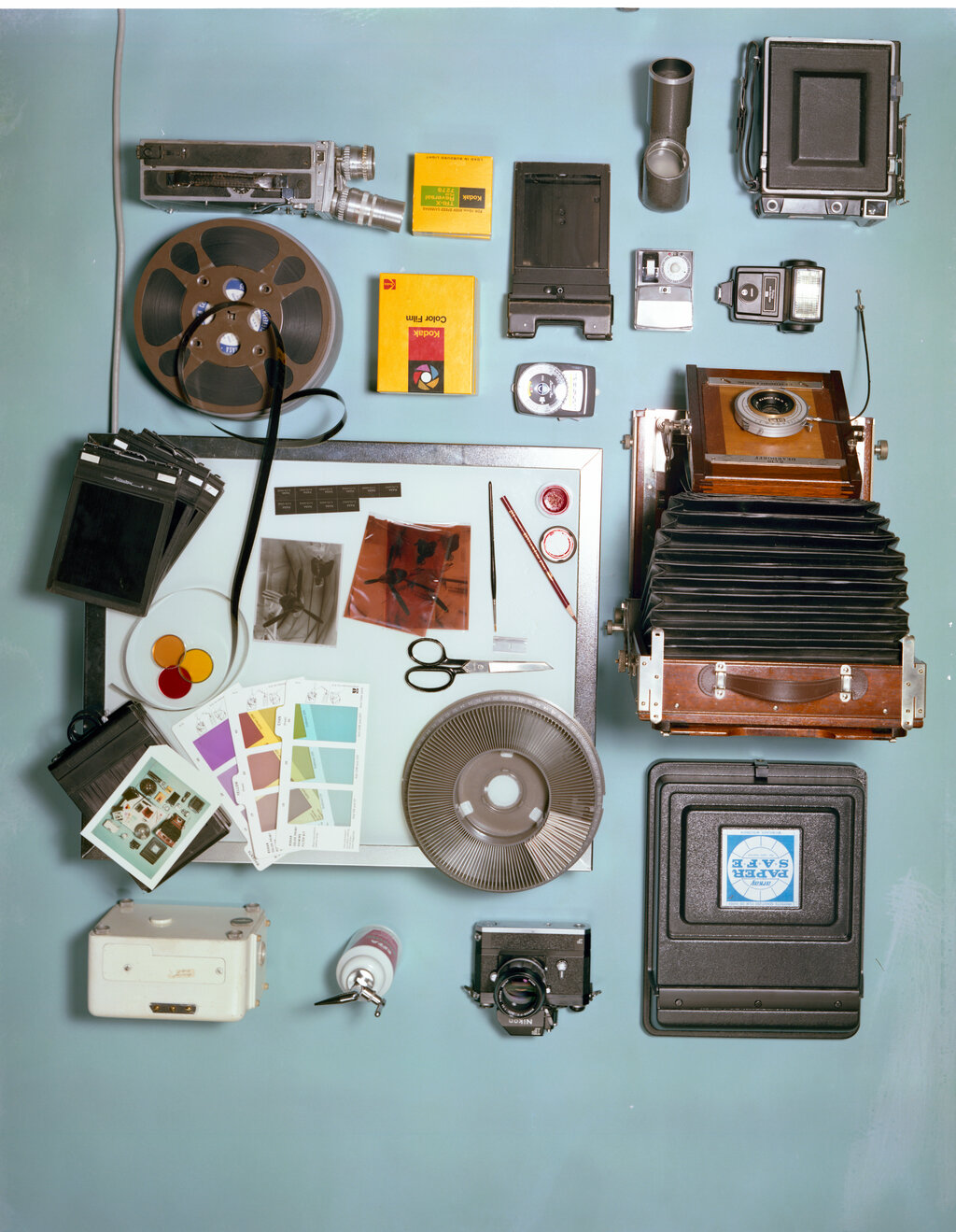
The digital revolution in the late 20th century changed everything. Instead of film, cameras began using electronic sensors to capture light. This meant photographers could see their images instantly, delete mistakes, and store thousands of photos on a tiny memory card. Today, most photos are taken digitally, often with the powerful cameras built right into our phones.
How a Camera Works
At its core, a camera is just a lightproof box that lets in light for a brief moment to create an image. Think of it like your eye. The lens is like your eye's lens, focusing light. The aperture is like your pupil, widening or narrowing to control how much light gets in. And the sensor is like your retina, capturing the information to form a picture.
Let's break down the key parts:
Lens: A series of glass elements that collect light from a scene and focus it onto the sensor.
Aperture: An adjustable opening inside the lens that controls how much light passes through. It's measured in f-stops (e.g., f/2.8, f/8). We'll cover what those numbers mean later.
Shutter: A curtain in front of the sensor that stays closed until you take a picture. When you press the button, it opens for a specific amount of time, letting light hit the sensor.
Image Sensor: A grid of millions of tiny light-sensitive dots (pixels) that record the light patterns to create a digital image.
Choosing Your Camera
There are several types of digital cameras, each with its own strengths. The best one for you depends on what you want to shoot and how much control you want.
DSLR (Digital Single-Lens Reflex): These cameras use a mirror and prism system to show you exactly what the lens sees through an optical viewfinder. They offer great image quality and a huge selection of interchangeable lenses. DSLRs are known for being bulky but powerful, making them a favorite of many professionals.
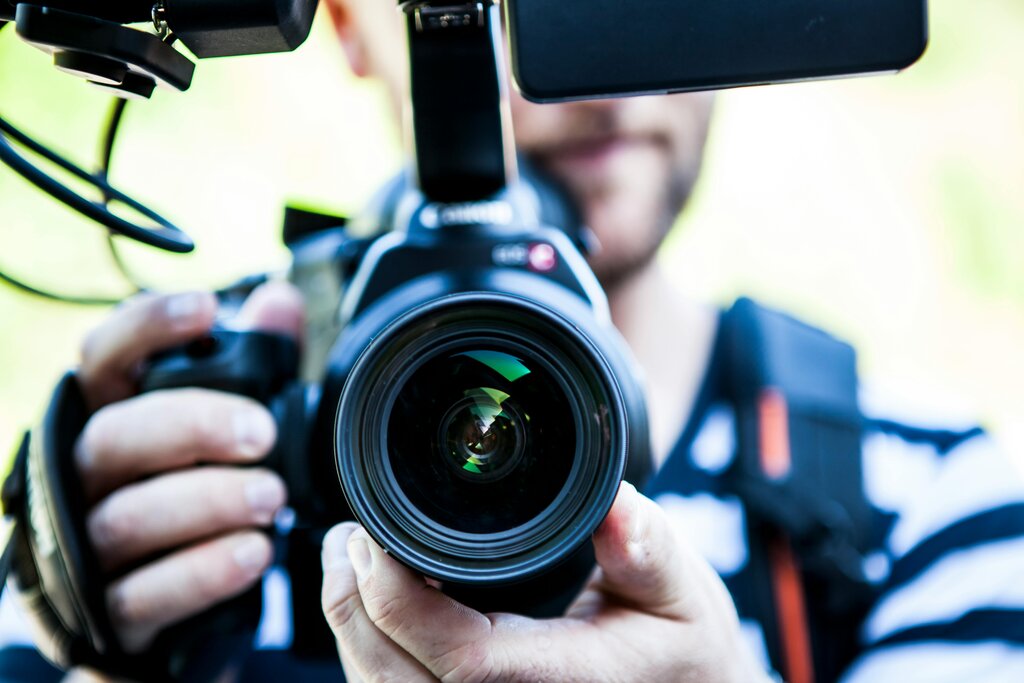
Mirrorless: As the name suggests, these cameras don't have the mirror system found in DSLRs. This makes them smaller and lighter. Instead of an optical viewfinder, they use an electronic viewfinder (EVF) or just the back screen to show you the image. Mirrorless cameras are quickly becoming the standard for both amateurs and pros due to their compact size and advanced features.
Point-and-Shoot: These are the simplest, most compact cameras. They have a fixed lens and are designed for ease of use. While their image quality might not match larger cameras, they are perfect for travel and casual snapshots when you want something more capable than your phone.
| Camera Type | Size & Weight | Lens Options | Best For |
|---|---|---|---|
| DSLR | Large & Heavy | Widest selection | All-around use, professional work |
| Mirrorless | Compact & Light | Growing selection | Travel, everyday, professional work |
| Point-and-Shoot | Very Small & Light | Fixed (no-interchangeable) | Casual use, simplicity |
And of course, there's the camera you always have with you: your smartphone. Modern phone cameras are incredibly capable and have made photography more accessible than ever before.
The World Through Different Lenses
A camera's lens is its eye on the world. Changing the lens changes how the camera sees, allowing you to capture a sweeping landscape or zoom in on a distant bird. Lenses are described by their focal length, measured in millimeters (mm).
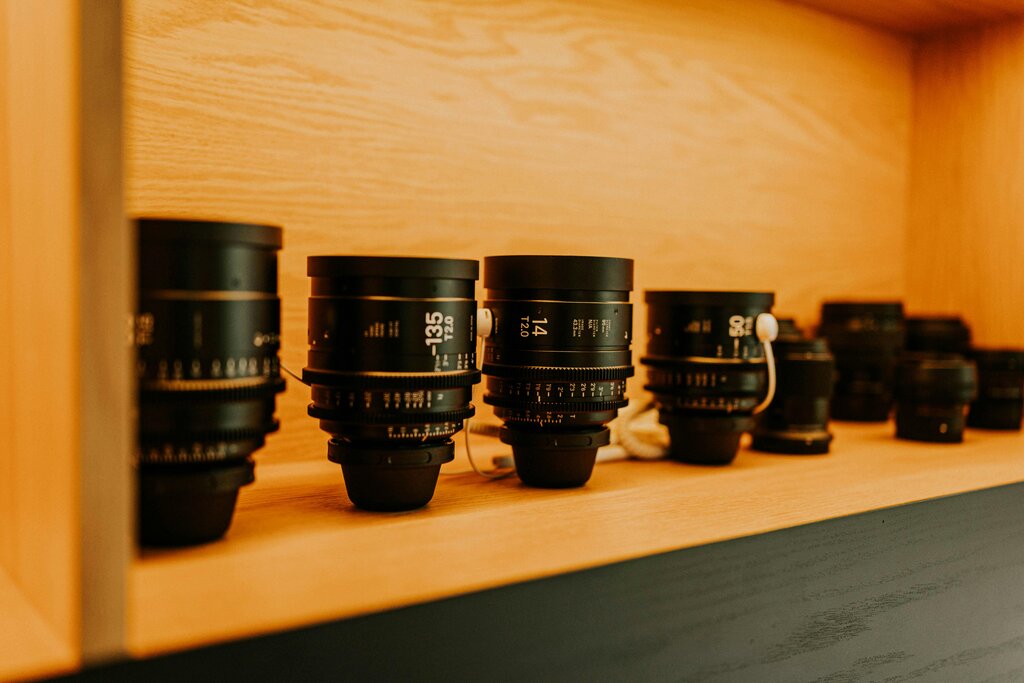
A smaller focal length number (like 18mm) means a wider view. A larger number (like 200mm) means a more magnified, narrow view.
Wide-Angle Lens (e.g., 14-35mm): These lenses capture a broad field of view, making them ideal for landscapes, architecture, and interior shots. They can make spaces feel larger than they are.
Standard Lens (e.g., 50mm): Often called a "normal" lens, this focal length closely mimics the human eye's perspective. It's incredibly versatile and great for portraits, street photography, and everyday use.
Telephoto Lens (e.g., 70-300mm): These are the long, powerful lenses you see at sporting events or on wildlife documentaries. They magnify distant subjects, compressing the perspective and making backgrounds appear closer than they are.
Some lenses have a fixed focal length (prime lenses), while others let you zoom in and out (zoom lenses). Each has its purpose, but understanding the basics of focal length is the first step toward choosing the right tool for your creative vision.
The term "camera obscura" is Latin for __________.
In the analogy between a camera and the human eye, which part of the camera functions like the eye's retina?
Now you have a solid foundation in the basic concepts of photography. In the next section, we'll dive into the three most important settings: aperture, shutter speed, and ISO.