Introduction to Philosophy
Introduction to Philosophy
What is Philosophy?
The word “philosophy” comes from two Greek words: philo (love) and sophia (wisdom). At its heart, philosophy is the love of wisdom. It’s an activity people undertake when they seek to understand themselves and the world around them by asking fundamental questions.
Philosophy - is the study of general and fundamental problems, such as those connected with existence, knowledge, values, reason, mind, and language.
This isn't just about having a personal “philosophy of life.” It’s a rigorous and systematic process of thinking. It challenges us to examine our most basic assumptions. Why do you believe what you believe? Are your reasons sound? Are your ideas consistent?
Think of it like building a house. Before you can put up walls or a roof, you need to be sure you have a solid foundation. Philosophy inspects the foundations of our beliefs about everything, from the nature of reality to the principles of a just society.
The Big Questions
Philosophy doesn't focus on specific facts, like the boiling point of water. Instead, it tackles the big, foundational questions that underpin all other fields of knowledge. These are questions that don't have easy answers and often lead to more questions.
What is real? How can we be certain of what we know? What makes an action right or wrong? Does life have a meaning?
These questions explore the nature of existence, knowledge, and values. While science can tell us how the universe works, philosophy asks why it exists at all, or what our place in it might be. It probes the limits of human understanding and explores what it means to be human.
A Workout for Your Brain
Studying philosophy is like taking your mind to the gym. It's not about memorizing answers; it’s about learning how to think more clearly and critically. The goal is to develop the skills to analyze arguments, identify assumptions, and construct your own well-reasoned positions.
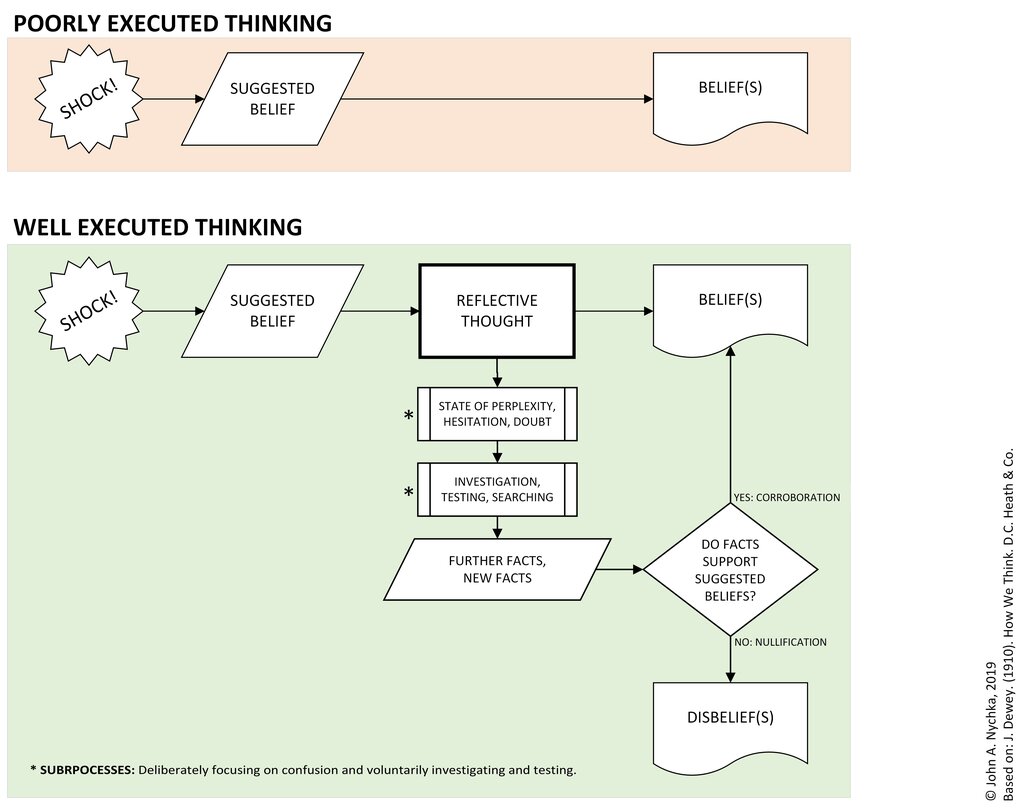
This process strengthens your ability to reason logically and communicate your ideas effectively. You learn to spot fallacies in arguments, both in others' reasoning and your own. This kind of mental discipline is invaluable. It helps you cut through the noise and evaluate information in a more structured and thoughtful way, whether you're reading the news, discussing politics, or making a major life decision.
Why Does It Matter?
Philosophy isn't just an abstract academic exercise. The questions it asks are deeply connected to our everyday lives. Every choice we make is guided by our underlying beliefs and values, whether we're aware of them or not.
Should you prioritize your career or your family? Is it okay to tell a white lie to spare someone's feelings? What do we owe to our community? These are philosophical questions. By engaging with them directly, we can live more examined and intentional lives.
Philosophy encourages us to reflect on our thoughts, behaviors, and motivations, and to strive for a life that aligns with our highest values and principles.
Engaging with philosophy helps us understand different perspectives, making us more thoughtful citizens and compassionate individuals. It gives us the tools to grapple with the complex ethical challenges of our time, from artificial intelligence to climate change. It is a journey of inquiry that enriches our understanding and helps us navigate the world with greater clarity and purpose.
The word "philosophy" is derived from two Greek words. What is the most accurate translation of its original meaning?
According to the text, how does philosophy primarily differ from a science like physics or chemistry?