Introduction to Pharmacy Practice
Introduction to Pharmacy
More Than Just Medicine
When you think of a pharmacist, you probably picture someone behind a counter, counting pills and putting them in a bottle. That's part of the job, but it's only a small piece of a much larger puzzle. Pharmacy is the science and practice of discovering, producing, preparing, dispensing, and reviewing drugs. It links health sciences with chemical sciences to ensure the safe and effective use of pharmaceutical drugs.
Pharmacist
noun
A healthcare professional who specialises in the properties and effects of medicines and develops and dispenses them.
At its core, the profession is about safeguarding public health. Pharmacists are the experts on medication, providing a critical checkpoint between a doctor's prescription and a patient. They are responsible for ensuring that the medicine you receive is not only correct but also safe for you to take.
Pharmacists are experts in medication management, playing a crucial role in the healthcare system by ensuring that patients receive the correct medications and understand how to use them properly.
A Quick Look Back
The practice of pharmacy is ancient. For thousands of years, people have sought out remedies from nature. Early practitioners, often called apothecaries, would compound remedies from plants, minerals, and animal sources. These were the original chemists and herbalists, mixing potions and powders to treat illnesses.
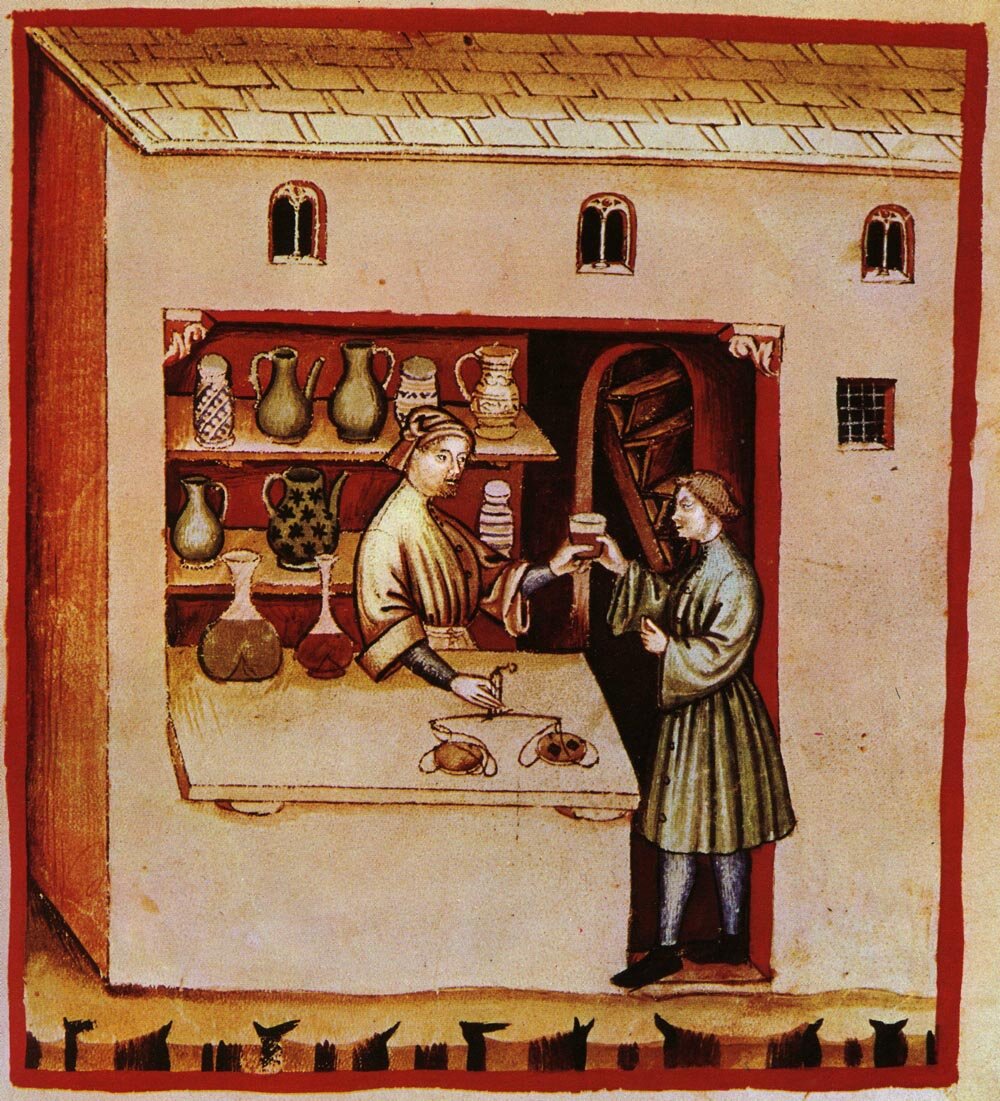
For centuries, the role remained focused on the creation and distribution of these remedies. The profession began to formalise in the 19th century with the establishment of pharmaceutical schools and regulatory bodies. The 20th century brought mass production of drugs, shifting the pharmacist's primary role from compounding to dispensing pre-made medications.
More recently, the profession has undergone another significant shift. Instead of just focusing on the medicine itself, the emphasis is now on the patient. This approach, known as pharmaceutical care, involves working directly with patients to ensure their medication therapy improves their quality of life.
Pharmacy profession has evolved from its conventional and traditional drug focused basis to an advanced patient focused basis over the years.
Where Pharmacists Work
Pharmacists work in a surprisingly wide range of environments. Each setting offers a different way to apply their expertise in medication.
| Setting | Primary Focus |
|---|---|
| Community Pharmacy | Dispensing prescriptions, advising the public on over-the-counter medicines and general health. |
| Hospital Pharmacy | Supplying medications to hospital wards, working with doctors and nurses on patient treatment plans. |
| Industrial Pharmacy | Researching and developing new drugs, overseeing quality control and manufacturing processes. |
| Academic Pharmacy | Teaching future pharmacists and conducting research at universities and colleges. |
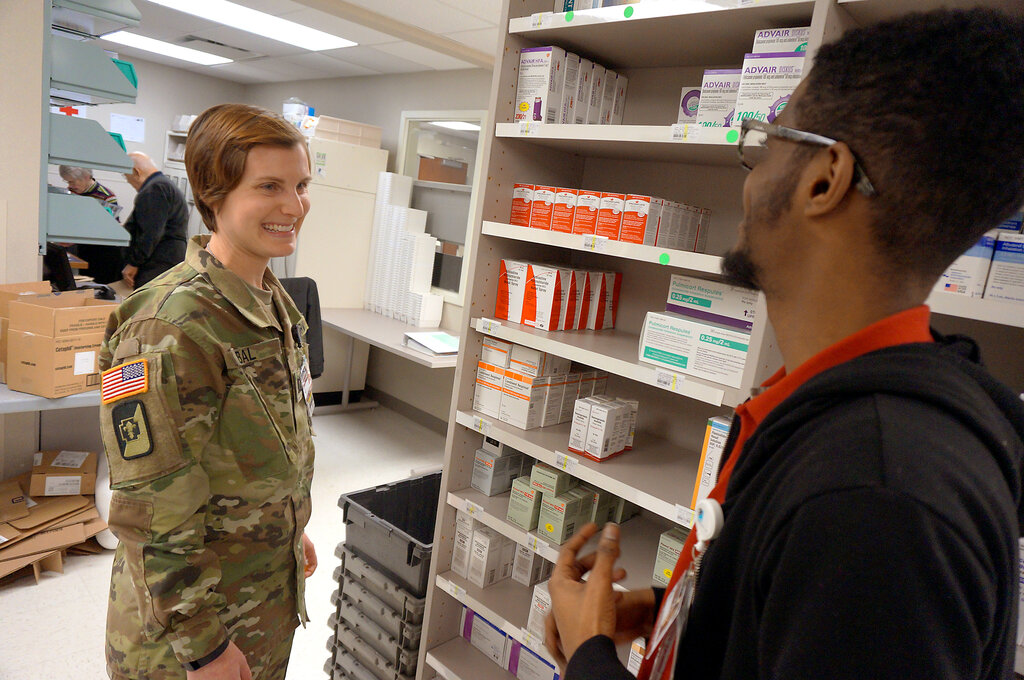
The most visible pharmacists are those in community settings, like your local chemist. They are often the most accessible healthcare professionals for the general public. In hospitals, pharmacists are a key part of the clinical team, ensuring that complex medication regimens for patients are safe and effective. Others work behind the scenes in the pharmaceutical industry, pushing the boundaries of medicine, or in academia, training the next generation.
The Heart of Healthcare
Pharmacists are indispensable to modern healthcare. Their primary role is to be the ultimate safety net for medication use. They catch prescription errors, prevent harmful drug interactions, and advise patients on how to take their medicines to get the best results.
Their expertise ensures that the journey of a drug from the lab to the patient is a safe one. By managing the supply chain, they guarantee that medicines are authentic and stored correctly. They also play a vital public health role, offering services like vaccinations, health screenings, and advice on healthy living.
Think of a pharmacist as your personal medication expert. They are there to answer your questions, ease your concerns, and help you manage your health through the safe and effective use of medicine.
Ready to test your knowledge? Take this short quiz to see what you've learned about the field of pharmacy.
What is the primary goal of the pharmacy profession?
Historically, what was the primary role of an apothecary, the predecessor to the modern pharmacist?
Understanding the role of pharmacists is the first step in appreciating their contribution to our health and wellbeing.