Introduction to Petrology
Introduction to Petrology
Reading the Stories in Stone
Imagine being a detective, but instead of solving crimes, you solve the mysteries of Earth's history. Your clues aren't fingerprints or witness statements; they're rocks. This is the world of petrology, the branch of geology dedicated to studying rocks.
Petrology looks at what rocks are made of, how they form, and the journey they've taken over millions of years.
By studying rocks, we can understand the processes that shape our planet, from violent volcanic eruptions to the slow, steady pressure that builds mountains. Every rock contains a piece of Earth's story, and petrologists are the ones who learn to read it. This field is crucial for finding valuable resources, understanding natural hazards, and piecing together the planet's deep past.
Earth's Three Rock Families
Just like a family has different members, the rock world has three main groups. Each one forms in a unique way.
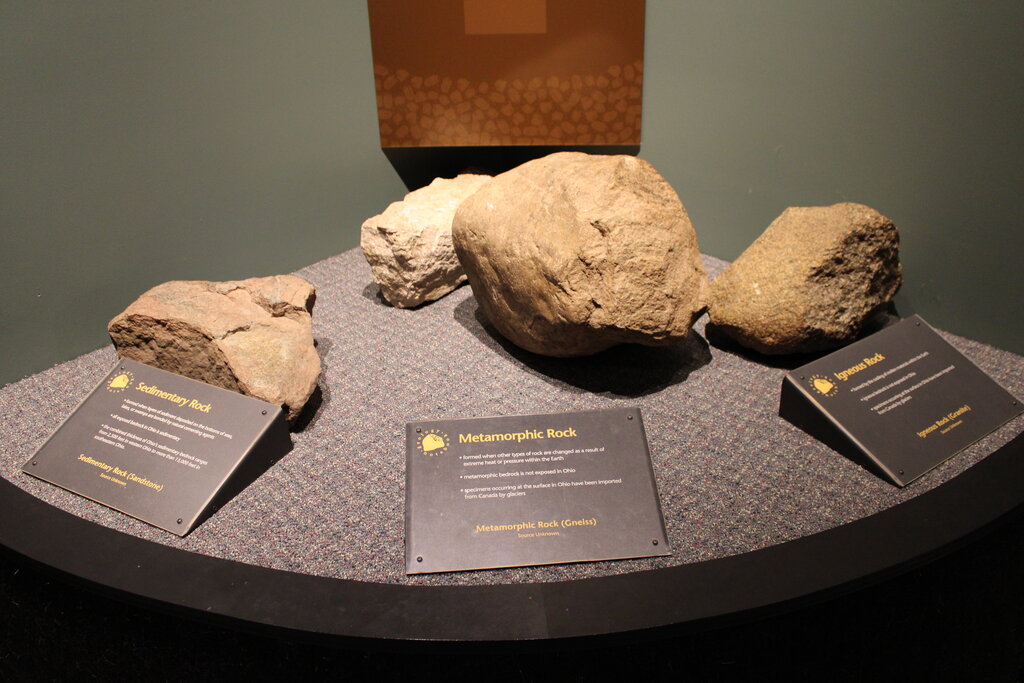
- Igneous Rocks: These are "fire rocks," born from cooled molten material. When this material, called magma, cools slowly deep underground, it forms rocks like granite. If it erupts from a volcano as lava and cools quickly on the surface, it forms rocks like basalt.
- Sedimentary Rocks: These rocks are made from bits and pieces of other things. Over time, wind and water break down older rocks, plants, and animal remains into small particles called sediment. These sediments settle in layers, often at the bottom of lakes or oceans. As more layers pile on top, the weight presses down, compacting and cementing the lower layers into rock. Sandstone and limestone are common examples.
- Metamorphic Rocks: These are "changed" rocks. They start as igneous, sedimentary, or even other metamorphic rocks, but are then subjected to intense heat and pressure deep within the Earth. This process transforms them into something new, changing their texture and mineral composition without melting them completely. For example, limestone can metamorphose into marble, and shale can turn into slate.
The Never-Ending Rock Cycle
The three rock families aren't separate forever. They are all part of a continuous process called the rock cycle, where any rock can be transformed into any other type. It's like Earth’s ultimate recycling program.
An igneous rock on the surface can be worn down into sand, which becomes sedimentary rock. That sedimentary rock might get buried deep underground, where heat and pressure transform it into metamorphic rock. If the heat is intense enough, the metamorphic rock could melt back into magma, ready to start the cycle all over again by cooling into a new igneous rock.
The Petrologist's Toolkit
How do geologists uncover a rock's life story? They use a few key methods.
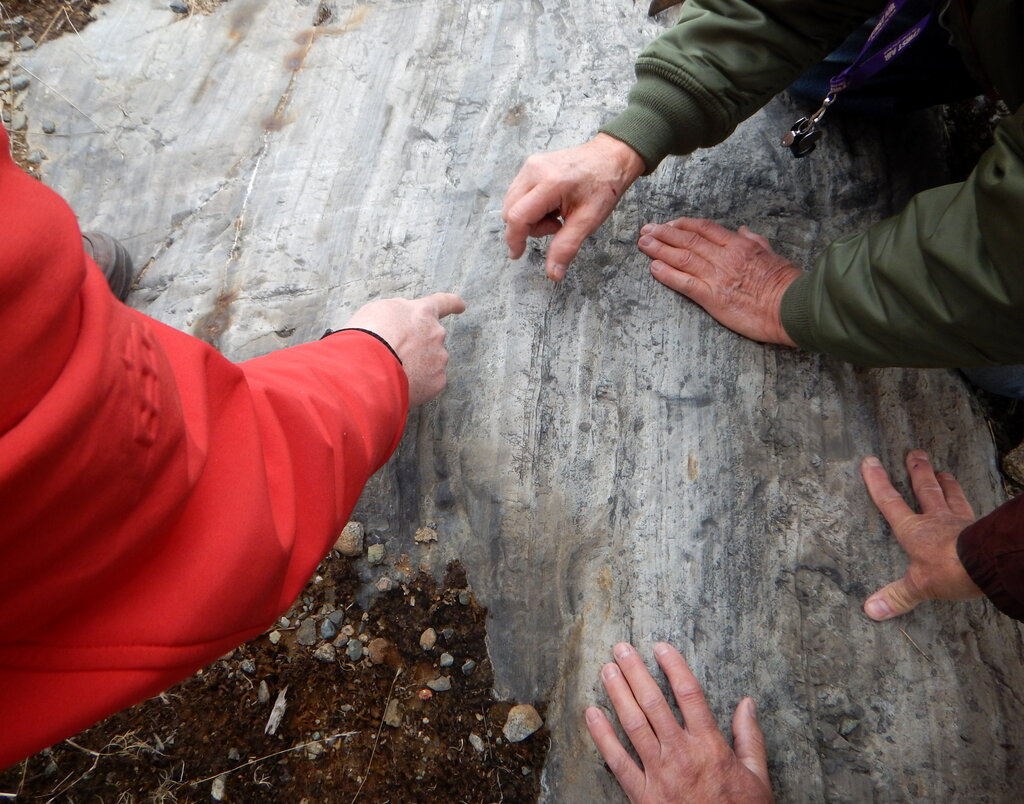
First is fieldwork. This involves traveling to mountains, canyons, and coastlines to see rocks in their natural setting. Geologists observe how rock layers are arranged, sketch formations, and collect samples to take back to the lab. It's hands-on, adventurous work that provides critical context.
Next comes laboratory analysis. Back in the lab, these samples undergo various tests. Scientists can determine a rock's chemical composition and physical properties. This helps identify the exact minerals present and offers clues about the environment where the rock formed.
Finally, there's microscopy. Petrologists slice rocks into sections so thin that light can pass through them. When viewed under a powerful microscope, the arrangement, size, and shape of the mineral grains become visible. This microscopic view reveals details about the rock's formation and any changes it has experienced, like the cooling rate of magma or the intensity of pressure it endured.
What is the primary focus of petrology?
If a rock is formed from the cooling and solidification of molten lava on the Earth's surface, what type of rock is it?
By combining these methods, petrologists can read the rich history recorded in stone, giving us a deeper understanding of the dynamic planet beneath our feet.