Introduction to Personalized Learning
Personalized Learning Ecosystems
Beyond One-Size-Fits-All
For centuries, education followed a simple model: one teacher, many students, one lesson plan. This approach assumes everyone learns at the same pace and in the same way. But we know that's not true. Digital technology allows us to break free from this one-size-fits-all constraint and create learning experiences tailored to the individual.
This is the core idea behind adaptive learning systems. They don't just present information; they interact with the learner. Think of it as a conversation. The system presents a concept or a problem, and based on your response, it adjusts its next move. It might offer a hint, serve up a different type of question, or jump ahead to a more advanced topic. The goal is to create a unique path for every learner, optimizing the journey for understanding and retention.
Personalized learning is an approach to education that tailors teaching methods, content, and pace to meet the unique needs and interests of each student.
The Data-Driven Feedback Loop
How does an adaptive system know how to adapt? It runs on a continuous feedback loop fueled by data. Every click, every answer, every hesitation is a piece of information. The system constantly collects and analyzes this data to build a dynamic picture of your understanding.
This cycle powers a deeply personalized experience. Instead of a static textbook, you get a living curriculum that reshapes itself around you. It uses a learner profile—a detailed, evolving record of your strengths, weaknesses, and preferences—to make informed decisions about what you should see next. This ensures you're always working on material that is challenging but not overwhelming.
Meet Your Digital Tutor
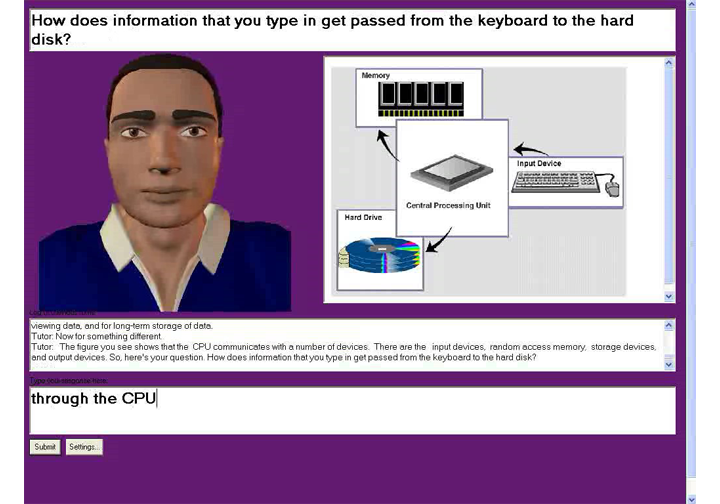
The most sophisticated adaptive learning tools are called (ITS). These go far beyond simple multiple-choice quizzes. An ITS aims to replicate the benefits of a one-on-one human tutor. It maintains a complex model of your knowledge and can infer why you made a mistake, not just that you made one.
For instance, if you're struggling with a physics problem, an ITS might recognize that you're consistently misapplying a specific formula. Instead of just marking your answer wrong, it could provide a targeted hint or offer a mini-lesson focused on that exact concept. This ability to diagnose misconceptions and offer tailored support is what makes an ITS so powerful.
Managing Brainpower
Why is all this personalization so effective? It comes down to managing a scarce resource: your attention. suggests that our working memory—the mental space where we actively process information—is extremely limited. If a learning experience is confusing, poorly structured, or too difficult, it overloads this mental workspace, and learning grinds to a halt.
Personalized learning helps manage this load. By adjusting the difficulty and pacing, it ensures the intrinsic load (the inherent difficulty of the topic) is appropriate for your current level of understanding. By presenting information clearly and providing support when needed, it minimizes extraneous load—the mental effort wasted on deciphering a confusing interface or a poorly worded question.
This frees up your mental resources for germane load, which is the productive effort of building and storing new knowledge. A well-designed adaptive system keeps you in a state of productive challenge, making the learning process more efficient and effective.
Time to check your understanding of these personalized learning concepts.
What is the primary goal of an adaptive learning system?
What key feature distinguishes an Intelligent Tutoring System (ITS) from simpler adaptive platforms?
By moving beyond a one-size-fits-all approach, personalized learning ecosystems use data to create a more efficient, engaging, and ultimately more human way to learn.