Introduction to Pediatric Nursing
Introduction to Pediatric Nursing
Caring for Our Youngest
Pediatric nursing is a specialized field focused on the health and care of children, from birth through adolescence. It's more than just a scaled-down version of adult medicine. Children have unique physical, developmental, and emotional needs that change rapidly as they grow. A pediatric nurse understands these nuances and provides care that is appropriate for each stage of a child's life.
pediatric
adjective
Relating to the branch of medicine dealing with the health and medical care of infants, children, and adolescents.
The scope is broad. It ranges from preventative care, like giving vaccinations and performing wellness checkups, to managing chronic illnesses and treating acute injuries. At its core, this specialty is about promoting health, providing support, and ensuring the well-being of the next generation.
A Family Affair
When a child is sick, it affects the entire family. That's why pediatric nursing is built on a foundation of family-centered care. This approach recognizes that the family is the constant in a child's life and the primary source of strength and support.
Instead of just treating the child in isolation, a pediatric nurse partners with parents and caregivers. They listen to the family's concerns, respect their values, and involve them in decision-making. This collaboration is crucial because parents know their child best. Their insights can lead to better diagnoses, more effective treatment plans, and a more comfortable experience for the child.
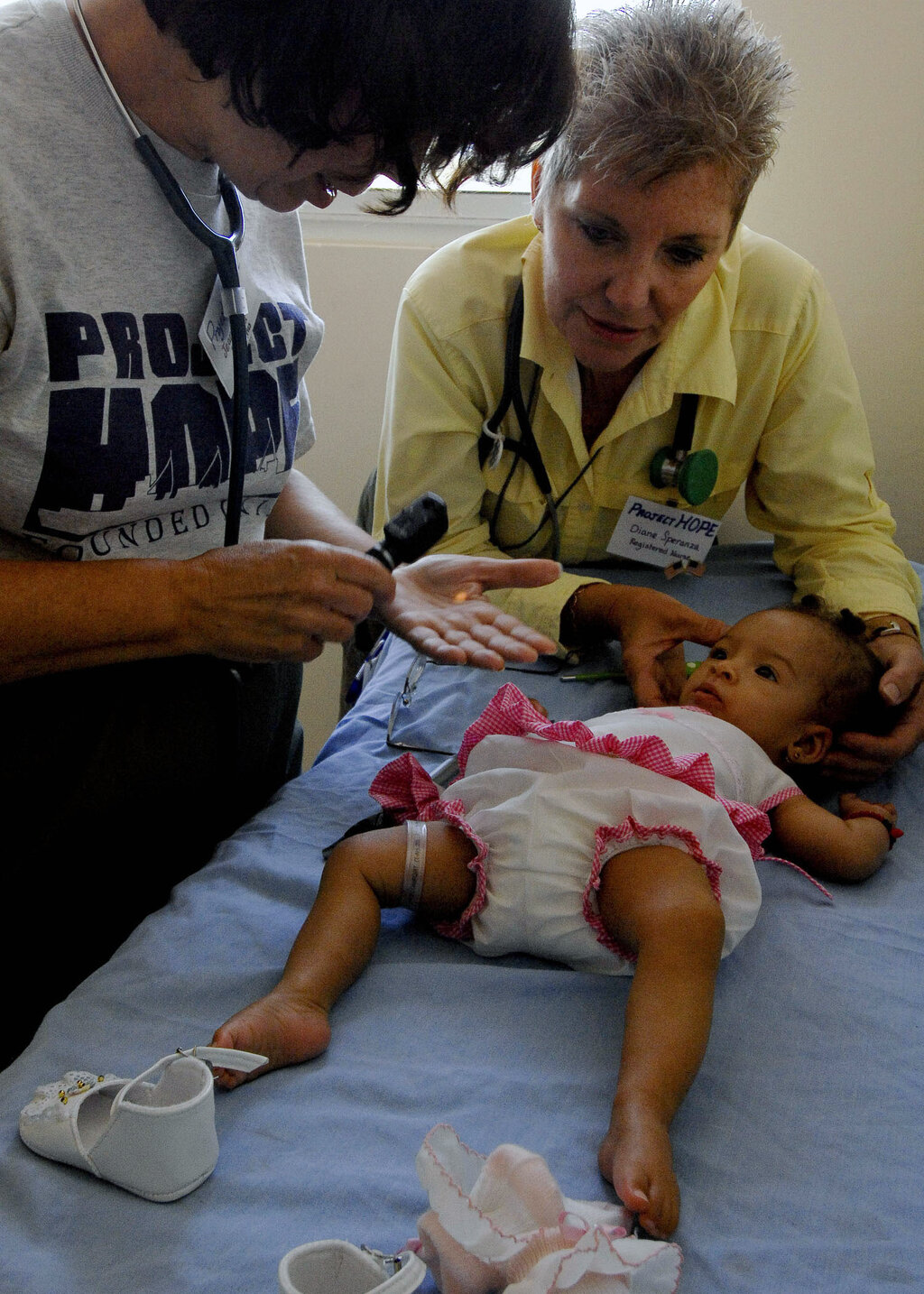
Family-centered care also means providing education and emotional support to the whole family unit. A nurse might teach a parent how to administer medication, help a sibling understand what's happening, or simply offer a reassuring presence during a stressful time. This holistic approach helps reduce anxiety and empowers the family to be active participants in the child's recovery and ongoing health.
In pediatric care, the family isn't just a visitor; they are an essential part of the healthcare team.
Roles and Responsibilities
A pediatric nurse wears many hats. Their responsibilities are diverse and tailored to the needs of their young patients. While specific duties vary by setting, they all share a common goal: to provide compassionate and competent care.
Beyond these technical tasks, a huge part of the job involves communication. Pediatric nurses must be able to explain complex medical information in simple terms that both a child and their parents can understand. They are experts at building trust with anxious children, using play and other techniques to make scary procedures a little less frightening.
Where They Work
Pediatric nurses are found in a wide variety of healthcare settings, each offering a different pace and focus. The environment often dictates the type of care they provide.
| Setting | Focus of Care |
|---|---|
| Hospitals | Acute and critical care, surgery, emergency services, and specialty units like oncology or cardiology. |
| Clinics & Doctor's Offices | Routine checkups, vaccinations, and management of common childhood illnesses. |
| Schools | Managing daily health needs of students, from administering medication to handling minor injuries. |
| Home Health | Providing care for children with chronic conditions or complex medical needs in their own homes. |
| Community Centers | Public health initiatives, health education, and preventative screenings. |
No matter the setting, the goal remains the same: to support children and their families on their health journey. Pediatric nursing is a demanding but incredibly rewarding field that makes a lasting impact on countless lives.
Ready to check your understanding? This quiz covers the fundamental concepts we've just explored.
What is the foundational principle of pediatric nursing that emphasizes collaboration with parents and caregivers in the decision-making process?
True or False: The primary responsibilities of a pediatric nurse are limited to performing technical medical tasks like giving shots and starting IVs.
This foundation gives us a framework for understanding the unique challenges and rewards of caring for children.