Introduction to Padel
Introduction to Padel
What is Padel?
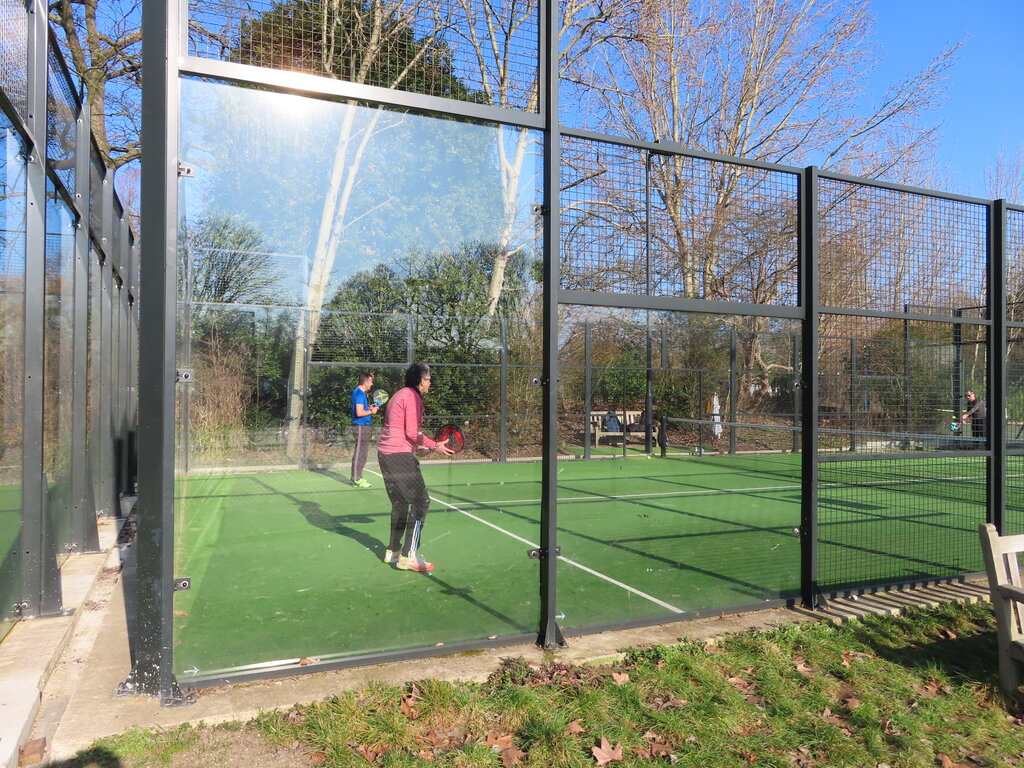
Imagine a sport that combines the fast-paced action of tennis with the strategic wall-play of squash. That's padel. It's a racket sport played in doubles on an enclosed court about a third of the size of a tennis court.
Padel is a racket sport that blends elements of tennis and squash.
The game is known for being easy to learn but difficult to master. Its accessibility has made it a social and fun activity for players of all ages and skill levels, contributing to its explosive growth worldwide.
A Sport Born in Mexico
Padel's history is surprisingly recent. The sport was invented in 1969 by Enrique Corcuera in Acapulco, Mexico. Corcuera wanted to build a tennis court at his home but didn't have enough space. His solution was to build a smaller court and surround it with walls to prevent the ball from going into his neighbor's yard.
He and his friends began playing on this unique court, using solid wooden paddles instead of stringed rackets. They soon realized that incorporating the walls into the game made for long, exciting rallies. The sport quickly spread among Corcuera's wealthy friends, who brought it back to Spain and Argentina, where its popularity took off.
How It's Different
While it borrows from other racket sports, padel has several key features that make it unique.
The Court and Serve: The most obvious difference is the court. It's smaller and enclosed by glass and wire mesh walls. Unlike in tennis, where the walls are out of bounds, in padel, you can play the ball after it bounces off most of them. Also, all serves in padel must be hit underhand.
Serving underhand makes the game much easier to pick up. You don't need to spend hours learning a complex overhand motion.
The Racket and Ball: Padel rackets, or "palas," are solid and stringless, made from foam and fiberglass or carbon fiber. They are perforated with holes and are much smaller and thicker than tennis rackets. The ball is similar to a tennis ball but has slightly less pressure, which means it bounces a bit less and slows the game down, allowing for longer rallies.
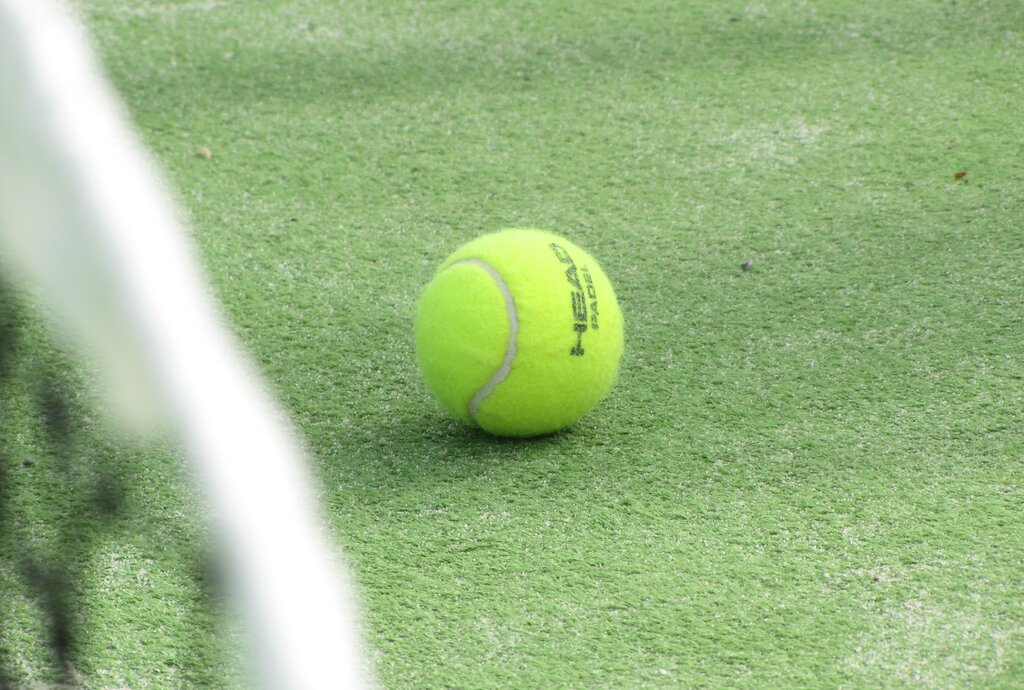
The Gameplay: Padel is almost exclusively played in doubles. This, combined with the smaller court, emphasizes teamwork, strategy, and quick reflexes over raw power.
Bouncing shots off the walls are what makes padel unique and using them to your advantage is necessary to improve your game
A Global Phenomenon
From its humble beginnings in Mexico, padel has become one of the fastest-growing sports in the world. It is immensely popular in Spain and Argentina and has millions of players across Europe, the Middle East, and now, North America.
The sport's social nature is a huge part of its appeal. Because it’s played in doubles on a small court, there’s a lot of communication and camaraderie. It's a game that brings people together.
Padel is an incredibly accessible sport, which is one reason for its growing popularity in the United States.
Now you know the basics of what padel is, where it came from, and what makes it different. You're ready to learn about the court and how a game gets started.