Introduction to Orthopedic Surgery
Introduction to Orthopedic Surgery
What Is Orthopedic Surgery?
Orthopedic surgery is the branch of medicine focused on the musculoskeletal system. This intricate network includes your bones, joints, ligaments, tendons, muscles, and nerves—everything that lets you move, work, and be active.
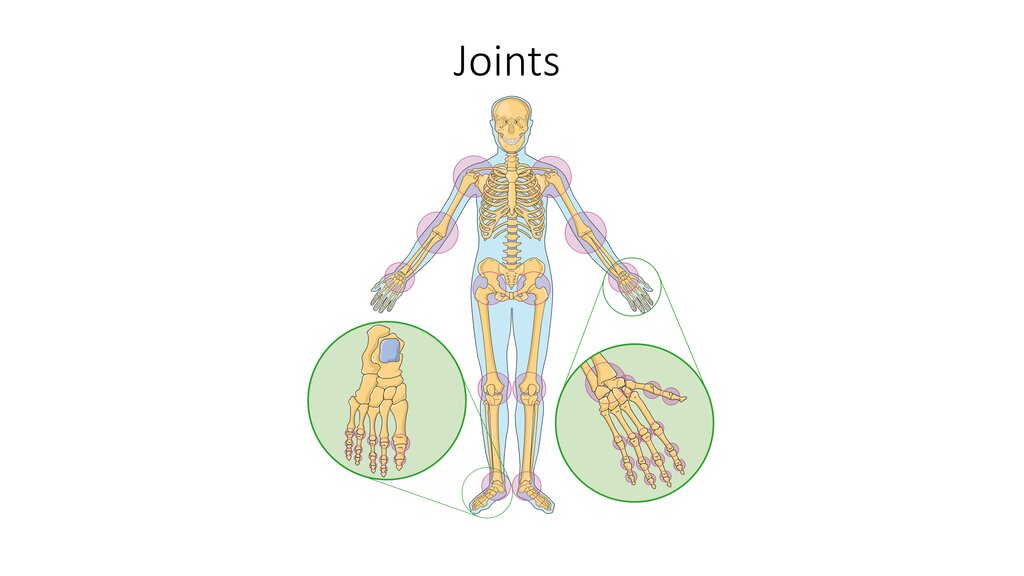
While many people think of orthopedics as just treating broken bones, its scope is much wider. Orthopedic surgeons manage a vast range of conditions, from congenital disorders like scoliosis to degenerative diseases like arthritis. They also treat sports injuries, trauma from accidents, and tumors of the bone and soft tissue. The primary goals are to relieve pain, restore function, and improve a patient's quality of life.
A Brief History
The roots of orthopedics run deep. Evidence of treating fractures with splints dates back to ancient Egypt, with some of the earliest documented cases appearing in medical texts written around 1600 B.C.

The term "orthopaedics" itself was coined in 1741 by French physician Nicolas Andry de Bois-Regard. He combined the Greek words orthos, meaning "straight," and paidion, meaning "child." His work initially focused on correcting deformities in children, and he famously used the image of a crooked sapling being straightened by a stake to represent the practice.
The 19th and 20th centuries brought revolutionary changes. The development of anesthesia made longer, more complex surgeries possible. The discovery of X-rays allowed doctors to see inside the body without an incision for the first time. And the advent of antibiotics dramatically reduced the risk of postoperative infections, a major barrier to successful surgery.
Key milestones of this era included the first successful hip replacement in the 1960s and the refinement of internal fixation techniques using metal plates, screws, and rods to stabilize fractures.
Today, the field continues to evolve with minimally invasive techniques like arthroscopy, the use of robotics for surgical precision, and advanced biologics that promote tissue healing.
Orthopedic Subspecialties
Because the musculoskeletal system is so complex, many orthopedic surgeons choose to specialize in a specific area. This allows them to develop deep expertise in treating a particular body part or type of condition. Here are some of the most common subspecialties:
| Subspecialty | Focus |
|---|---|
| Pediatric Orthopedics | Musculoskeletal problems in infants, children, and adolescents. |
| Sports Medicine | Injuries related to athletic activities, often focusing on knees, shoulders, and ankles. |
| Joint Replacement | Reconstructing or replacing damaged joints, most commonly hips and knees. |
| Spine Surgery | Conditions of the cervical, thoracic, and lumbar spine. |
| Hand Surgery | Issues affecting the hand, wrist, and forearm. |
| Foot and Ankle Surgery | Treatment of disorders of the foot and ankle. |
| Orthopedic Trauma | Complex fractures and injuries, often resulting from major accidents. |
| Orthopedic Oncology | Diagnosis and treatment of benign and malignant tumors of the bones and soft tissues. |
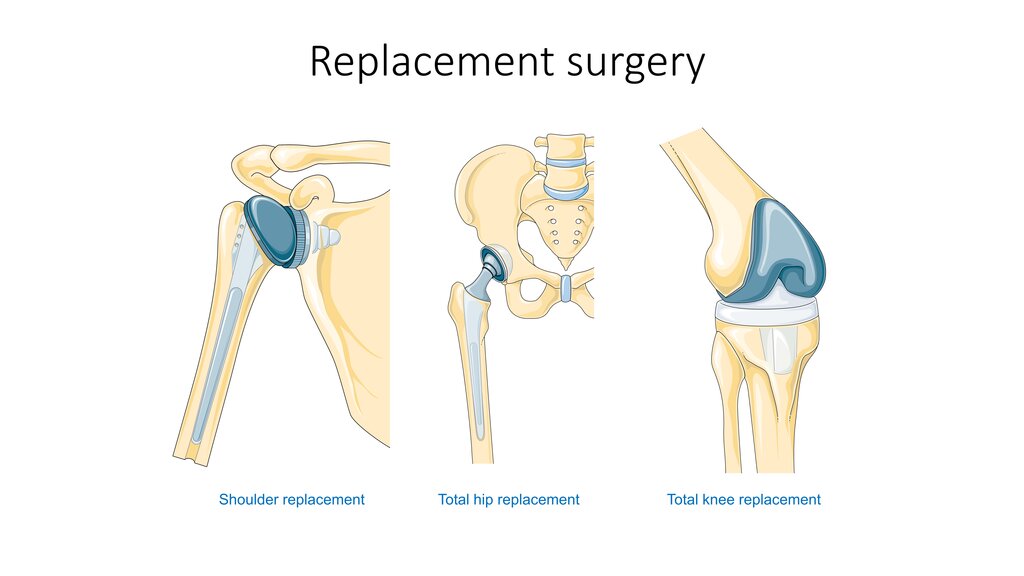
This specialization ensures that patients receive care from surgeons with the most relevant and up-to-date knowledge for their specific problem, from a young athlete with a torn ligament to an elderly person with severe arthritis.
What is the primary focus of orthopedic surgery?
The term "orthopaedics" was created by combining the Greek words orthos (straight) and paidion, which means...