Introduction to Nursing
Introduction to Nursing
The Story of Nursing
Nursing is one of the world's oldest professions, but it hasn't always looked the way it does today. For centuries, caring for the sick was often informal, handled by family members or religious figures. Early nursing care was deeply connected to compassion and charity, with monks and nuns providing comfort in monasteries.
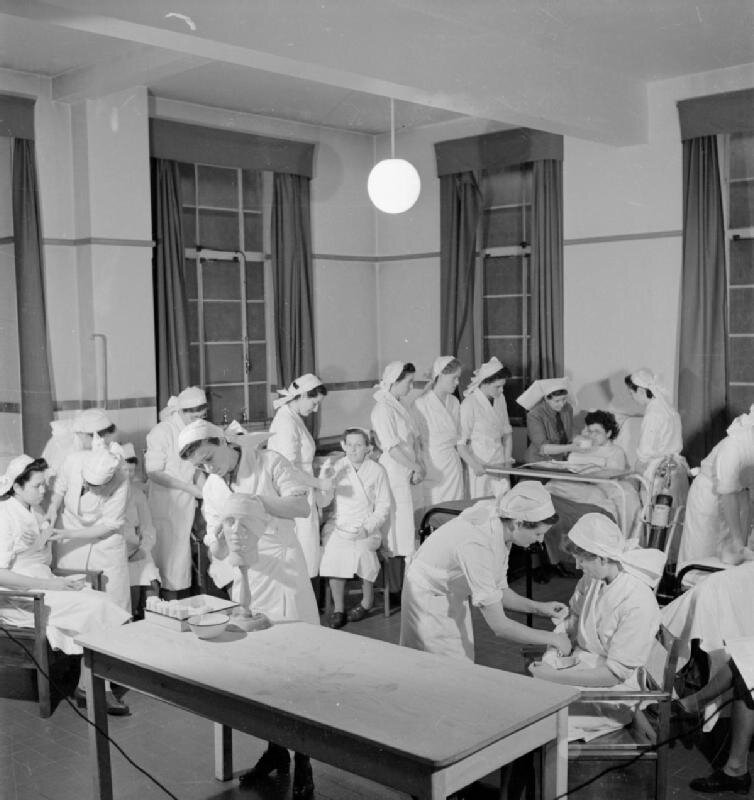
The profession began to formalize in the 19th century, thanks to pioneers like Florence Nightingale. During the Crimean War, she and her team of nurses transformed unsanitary military hospitals, dramatically reducing death rates. Her work established nursing as a respectable, science-based profession. She emphasized hygiene, careful observation, and patient advocacy, principles that remain at the core of nursing today.
What Nurses Do
The role of a nurse is complex and multifaceted. At its heart, nursing is about providing holistic care, which means treating the whole person, not just their illness. This involves a systematic approach often called the nursing process.
This cycle is the backbone of patient care. Nurses assess a patient's condition by gathering information, make a nursing diagnosis to identify health problems, plan goals and a course of action, implement the plan by providing care, and evaluate the outcomes to see if the plan is working. Beyond this process, nurses are also educators, advocates, and collaborators, working with doctors, therapists, and families to ensure the best possible patient outcomes.
A key role for any nurse is being a patient advocate: speaking up for patients' needs and ensuring their wishes are respected.
Where Nurses Work
When you think of a nurse, you probably picture a bustling hospital. While hospitals are the largest employers of nurses, the profession is incredibly diverse. Nurses practice in a wide variety of settings.
| Setting | Role Example |
|---|---|
| Hospitals | Providing acute care in emergency rooms, ICUs, or surgical wards. |
| Clinics & Doctor's Offices | Administering vaccines, managing chronic conditions, patient education. |
| Schools | Tending to student health, managing medications, and health screenings. |
| Long-Term Care Facilities | Caring for elderly or disabled residents. |
| Home Health | Visiting patients at home to provide ongoing care. |
| Community Centers | Promoting public health through education and wellness programs. |
Each setting requires a unique application of nursing skills, but the fundamental goal of patient-centered care remains the same everywhere.
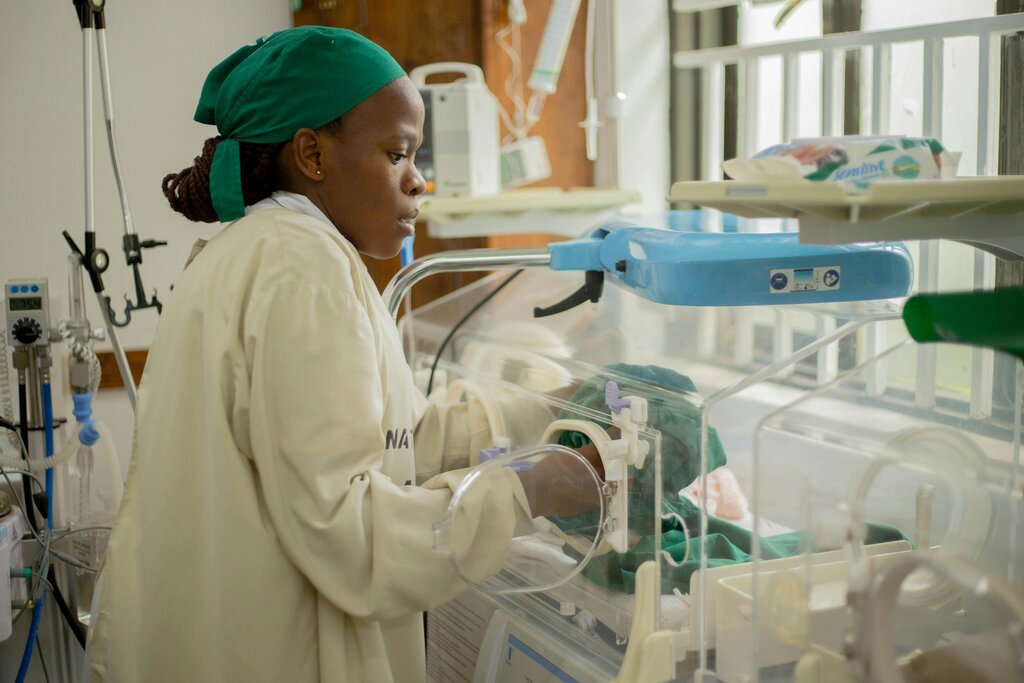
The Nursing Toolkit
To succeed, a nurse needs a blend of technical abilities (hard skills) and interpersonal traits (soft skills).
Hard skills are the concrete tasks of the job, such as:
- Monitoring vital signs (blood pressure, heart rate, temperature)
- Administering medications
- Dressing wounds
- Using medical equipment
Soft skills are just as vital. They determine the quality of a patient's experience and the effectiveness of the care team.
Empathy
noun
The ability to understand and share the feelings of another person.
Other critical soft skills include communication, critical thinking, and emotional stability. A great nurse can explain complex medical information clearly, make sound decisions under pressure, and remain compassionate in difficult situations.
Underpinning all of this is professionalism. Nurses are held to a high ethical standard, requiring integrity, honesty, and accountability. They are entrusted with the health and well-being of others, a responsibility that demands a deep commitment to ethical practice.
Ready to check your understanding? Let's see what you've learned about the fundamentals of nursing.
What was Florence Nightingale's most significant contribution to nursing in the 19th century?
A nurse is working with a new patient. After gathering information about the patient's health, what is the next step in the nursing process?
Nursing is a dynamic and demanding field built on a rich history of compassion and science. It requires a unique combination of technical skill, critical thought, and profound empathy to care for people in their most vulnerable moments.