Introduction to NLP Programming
Introduction to NLP
What is Natural Language Processing?
Natural Language Processing, or NLP, is a field of artificial intelligence that gives computers the ability to understand, interpret, and generate human language. Think of it as the bridge between how we communicate and how computers process information. It combines computer science with linguistics to allow machines to make sense of the text and speech we use every day.
NLP is a subfield of artificial intelligence, and it is the ability of a computer to detect and understand human language, through speech and text just the way we humans can.
The goal isn't just to recognize words, but to grasp the full meaning behind them. This includes understanding context, sentiment, and the subtle relationships between concepts. NLP is what allows a machine to read a document, understand a spoken command, or even write a poem.
A Brief History
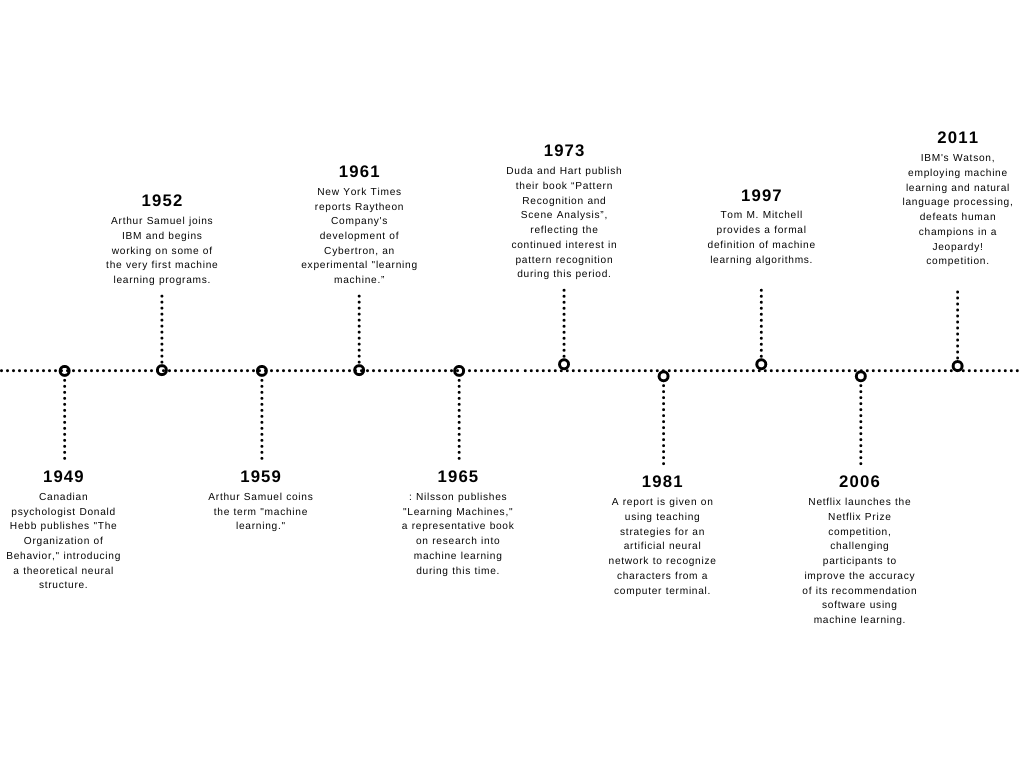
The dream of computers understanding human language is not new. Early ideas emerged in the 1950s, right after the invention of the first computers. Initial attempts were rule-based, meaning programmers tried to hand-write grammatical rules for computers to follow. This was incredibly complex and brittle. For example, a system might translate "The spirit is willing, but the flesh is weak" into a foreign language and back, resulting in "The vodka is good, but the meat is rotten." The literal meaning was there, but the context was completely lost.
In the late 1980s and 1990s, the field shifted toward statistical methods. Instead of relying on hand-coded rules, computers began learning patterns from large amounts of text data. This was a major leap forward, allowing for more flexible and robust language models. The recent explosion in AI, powered by deep learning and massive datasets, has pushed NLP to new heights, leading to the powerful tools we see today.
NLP in Your Daily Life
You probably use NLP every day without realizing it. It's the technology behind many of the conveniences we take for granted.
When your email client automatically sorts messages into "Primary," "Social," and "Promotions," that's NLP at work. It analyzes the content and sender to classify each email.
Other common applications include:
- Machine Translation: Services like Google Translate use NLP to translate text and speech between languages almost instantly.
- Chatbots and Virtual Assistants: When you ask Siri or Alexa for the weather, an NLP model processes your speech, figures out what you want, and generates a spoken response.
- Sentiment Analysis: Companies use NLP to scan social media or product reviews to gauge public opinion about their brands. The software determines whether the text expresses a positive, negative, or neutral feeling.
Think about the last time you used a search engine. You typed a question in plain English, and it understood your intent, sifting through billions of pages to find the most relevant answers. That's a powerful NLP application in action.
The Hard Parts
Human language is messy and complex, which makes it incredibly difficult for computers to master. One of the biggest hurdles is ambiguity. The same word can mean different things depending on the context.
ambiguity
noun
The quality of being open to more than one interpretation; inexactness.
For example, consider the word "bank." It could mean a financial institution or the side of a river. Humans use context to figure out the intended meaning, but teaching a computer to do this is a major challenge.
Language is also filled with sarcasm, irony, idioms, and cultural references that aren't meant to be taken literally. A phrase like "break a leg" has a meaning completely unrelated to its individual words. Computers struggle with this kind of figurative language.
Finally, there's the sheer variability of language. We all have unique ways of speaking and writing, complete with different accents, dialects, and slang. An NLP model must be able to handle this incredible diversity to be truly effective.
Now, let's test your understanding of these core concepts.
What is the primary goal of Natural Language Processing (NLP)?
Early attempts at NLP in the 1950s primarily relied on statistical methods learned from large datasets.
As you've seen, NLP is a fascinating and complex field with a huge impact on our modern world. It's all about making technology more human.