Introduction to NLP Programming
Introduction to NLP
Teaching Machines to Understand Us
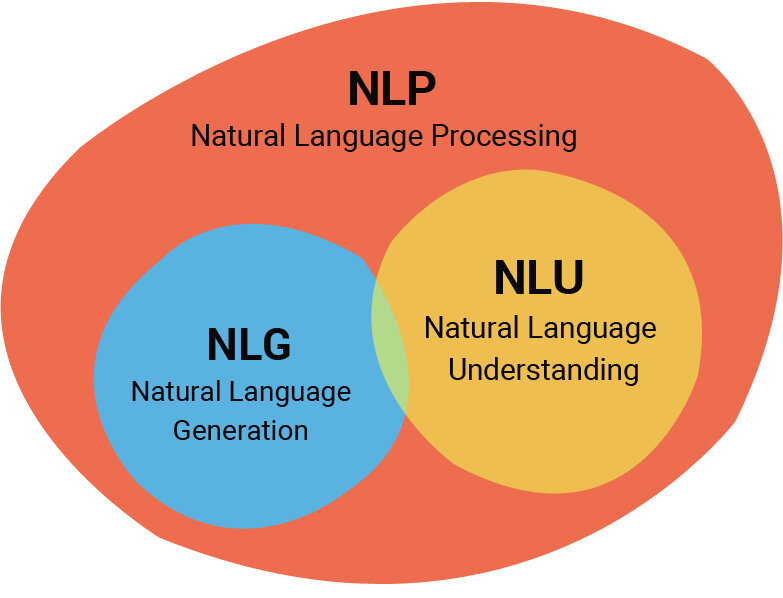
Natural Language Processing, or NLP, is a field of artificial intelligence that gives computers the ability to understand, interpret, and generate human language. It's the science and art of making machines smart enough to work with the messy, nuanced, and often unpredictable way we communicate.
NLP is a subfield of artificial intelligence, and it is the ability of a computer to detect and understand human language, through speech and text just the way we humans can.
Think about how you're reading this right now. Your brain is effortlessly processing words, sentences, and ideas. NLP aims to give computers that same power. It sits at the intersection of computer science, AI, and linguistics, combining the rigid logic of code with the fluid complexity of language.
A Brief History
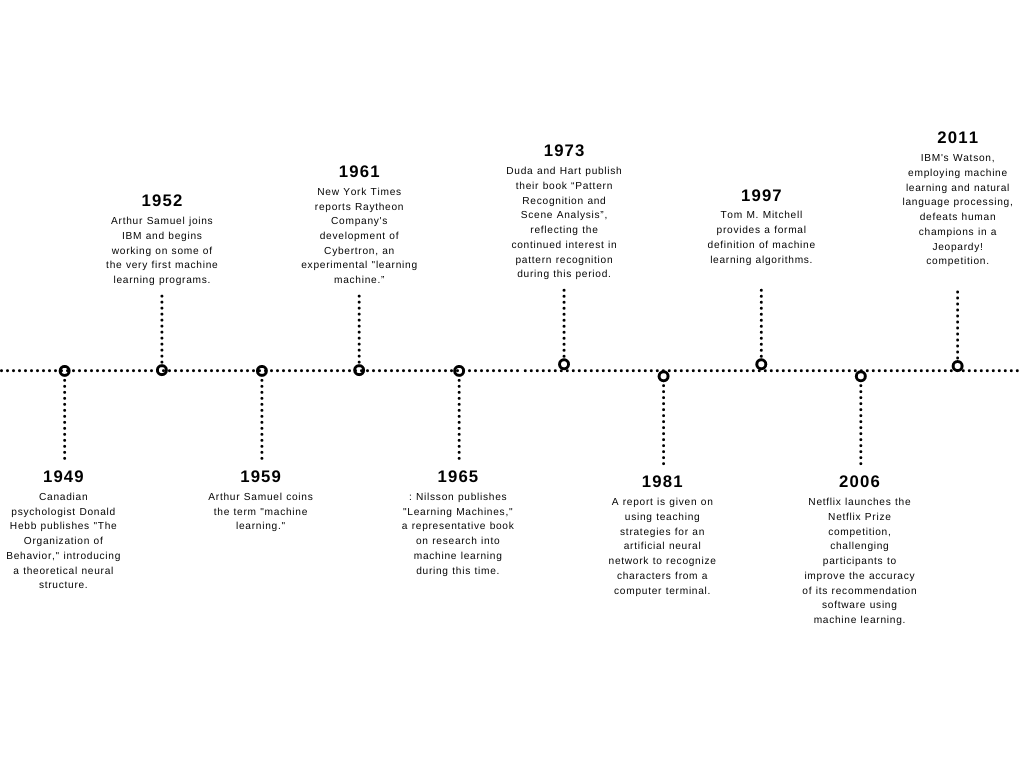
The dream of talking to computers isn't new. The journey of NLP began in the 1950s, shortly after the first computers were built. Early attempts focused on machine translation, with researchers trying to create systems that could translate Russian into English during the Cold War. These systems were rule-based, meaning programmers tried to write down all the grammatical rules of a language. It was a painstaking process and produced clunky, often nonsensical translations.
For decades, progress was slow. The breakthrough came with the rise of machine learning and big data. Instead of trying to teach computers grammar rules one by one, researchers started feeding them massive amounts of text—books, articles, websites—and letting them learn the patterns on their own. This statistical approach, which powers modern NLP, proved far more effective at handling the complexities of language.
Why Language Is Hard for Computers
Human language is filled with challenges that make it incredibly difficult for a logical machine to parse.
Ambiguity is a major hurdle. The word "bank" can mean the side of a river or a financial institution. The sentence "I saw a man on a hill with a telescope" could mean the man had the telescope, or you used a telescope to see him.
Then there's sarcasm, irony, idioms, and slang. When someone says, "Oh, great, another meeting," they probably mean the opposite. A computer taking this literally would completely miss the point. Context is everything. To understand a sentence, a machine often needs to understand the sentences that came before it, the topic of conversation, and even general world knowledge.
Common NLP Tasks and Applications
Despite the challenges, NLP is already a part of our daily lives. It works by breaking down language into manageable pieces and analyzing them. Here are some of the fundamental tasks and where you see them in action:
| Task | Description | Real-World Application |
|---|---|---|
| Sentiment Analysis | Determining the emotional tone (positive, negative, neutral) behind a piece of text. | Analyzing product reviews, social media monitoring. |
| Text Summarization | Creating a short, coherent summary of a longer document. | News article digests, summarizing research papers. |
| Named Entity Recognition (NER) | Identifying key information in text, like names of people, organizations, and locations. | Search engines categorizing content, customer support bots. |
| Machine Translation | Automatically converting text from one language to another. | Google Translate, real-time translation apps. |
| Speech Recognition | Converting spoken language into written text. | Voice assistants like Siri and Alexa, dictation software. |
These tasks are the building blocks for more complex applications, from chatbots that can handle customer service inquiries to tools that can detect spam emails or help doctors quickly find information in patient records. As the technology continues to evolve, machines are becoming better and better partners in communication.
What was the primary focus of early NLP research in the 1950s?
The major breakthrough in NLP came when the field shifted from a rule-based approach to a statistical one that leverages machine learning and big data.