Introduction to Natural Language Processing
Introduction to NLP
What Is Natural Language Processing?
At its core, Natural Language Processing (NLP) is a field of artificial intelligence that gives computers the ability to understand, interpret, and generate human language. Think of it as teaching a computer not just to read words, but to grasp their meaning, context, and intent, much like a person does.
Without NLP, computers can only process information that’s neatly organized in databases or spreadsheets. But most of the world's information isn't like that. It’s in our emails, social media posts, news articles, and everyday conversations. NLP is the key that unlocks all of this unstructured, human-generated data for computers to use.
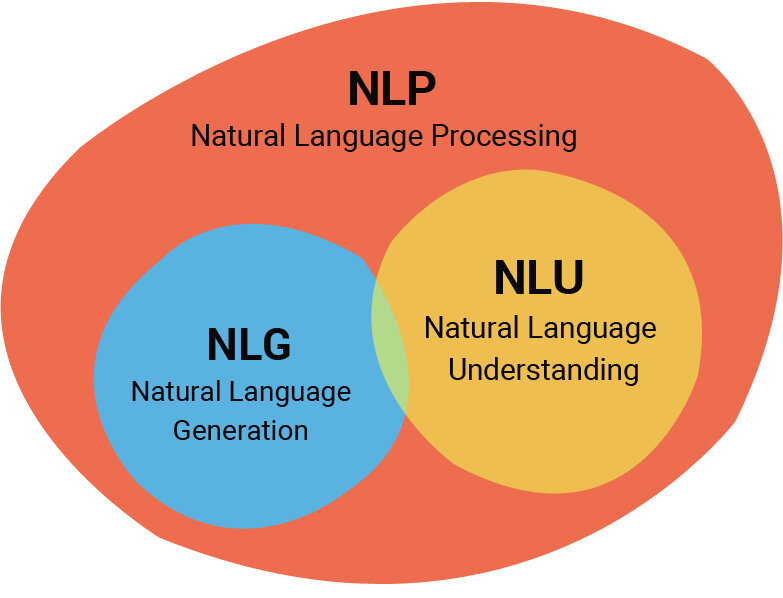
NLP itself can be broken down into two main areas. Natural Language Understanding (NLU) focuses on the 'input' side—making sense of language. It helps a machine comprehend the grammar, syntax, and sentiment of a sentence. On the other side is Natural Language Generation (NLG), which is all about 'output'. This is what allows a computer to construct sentences and communicate its own ideas in plain, readable language.
NLP in Everyday Life
You probably use NLP every day without realizing it. It's the engine behind many of the technologies we rely on.
Simple examples include the spam filter in your email inbox, which analyzes text to decide if a message is junk, or the autocorrect on your phone that predicts the next word you want to type.
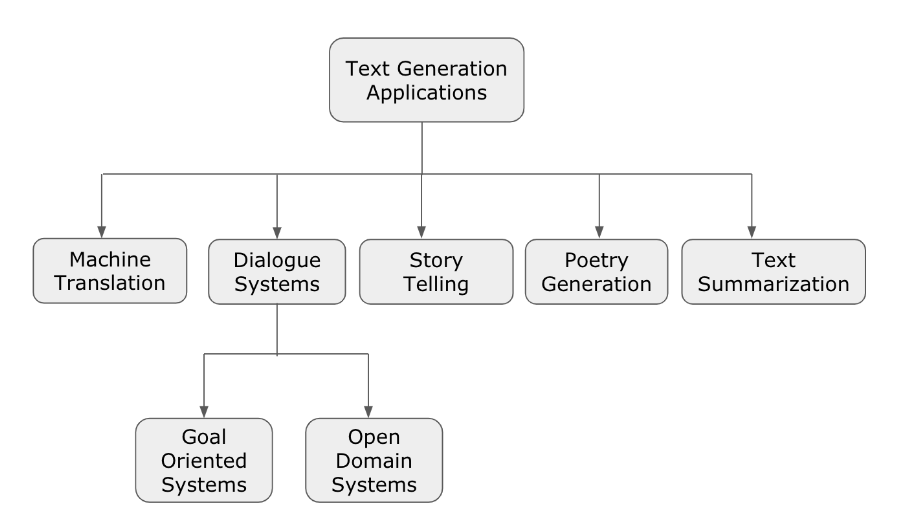
More complex applications are also common. When you ask a virtual assistant like Siri or Alexa a question, NLP is what allows it to understand your spoken words and fetch the right answer. Translation apps use NLP to decipher a phrase in one language and generate an equivalent phrase in another. Even customer service chatbots use NLP to interpret your questions and provide helpful responses.
The Challenges of Language
Teaching computers our language is incredibly difficult because human language is messy and full of nuance. One of the biggest hurdles for NLP systems is ambiguity.
Consider the sentence, "I saw a man on a hill with a telescope." Who has the telescope? You? The man? Or is it just on the hill? A human can often figure this out from context, but a computer needs to be explicitly taught how to untangle such sentences.
Language is also constantly evolving. New slang, idioms, and even sarcasm create moving targets for NLP models to learn. The same word can have different meanings depending on the context, culture, or even the tone of voice.
For example, the word "sick" can mean ill, but it can also mean excellent. Understanding which is which requires a deep grasp of context that machines are still learning to master. These challenges are what make NLP such a fascinating and active area of research.
What is the primary goal of Natural Language Processing (NLP)?
Which subfield of NLP is primarily concerned with a computer's ability to comprehend the grammar, syntax, and intent of a sentence?
As NLP continues to improve, it will become an even more integral part of how we interact with technology, making our devices more helpful, intuitive, and human-like.