Introduction to Natural Language Processing
Introduction to NLP
Teaching Machines Our Language
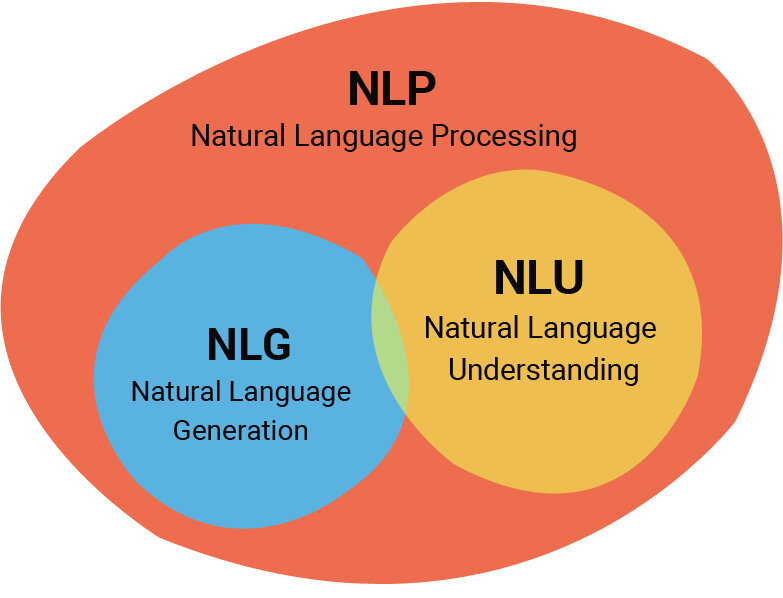
Computers are brilliant with numbers and structured data, but they've always struggled with something uniquely human: language. Our speech is filled with nuance, sarcasm, and context that a machine can't easily parse. Natural Language Processing, or NLP, is the field of artificial intelligence dedicated to bridging this gap. It's all about teaching computers to understand, interpret, and even generate human language.
Natural language processing (NLP) is a subset of AI that helps computers understand, interpret, and generate human language.
Think of it like this: a computer sees a sentence as just a string of characters. It doesn't inherently know that "apple" can be a fruit or a company. NLP provides the tools and techniques to help the machine learn the difference based on the words around it, just like we do. It gives software the ability to read and comprehend text, listen and understand speech, and interact with us on our own terms.
Why NLP Matters
The ability to process human language unlocks massive amounts of information. The vast majority of the world's data is unstructured—think of emails, social media posts, news articles, and customer reviews. Without NLP, this data is just noise to a computer. With it, we can analyze trends, gauge public opinion, and find specific information in seconds.
This technology isn't just about efficiency; it's about making technology more accessible and intuitive. Instead of learning complex commands or navigating endless menus, you can simply ask your phone for directions or tell your smart speaker to play a song. NLP powers the seamless, conversational experiences that are becoming a standard part of modern life.
NLP in the Wild
You probably use NLP every day without even realizing it. It’s the engine behind many of the apps and services you rely on. It’s a quiet revolution in how we interact with technology.
| Application | What It Does | Example |
|---|---|---|
| Chatbots & Assistants | Understands your questions and provides helpful answers in a conversational way. | Asking Siri or Alexa for the weather. |
| Machine Translation | Translates text from one language to another, preserving meaning and context. | Google Translate converting a menu from Spanish to English. |
| Sentiment Analysis | Determines the emotional tone behind a piece of text (positive, negative, or neutral). | A company analyzing tweets to see if people like their new product. |
| Spam Filtering | Analyzes incoming emails to identify and block unsolicited or malicious messages. | Your email client automatically moving junk mail to a separate folder. |
These are just a few examples. From summarizing long documents to powering predictive text on your keyboard, NLP is working behind the scenes to make complex tasks simpler and our digital lives easier.
Now that we've seen what NLP is and where it's used, let's test your understanding.
What is the primary goal of Natural Language Processing (NLP)?
Why is human language so difficult for computers to understand without NLP?
By giving machines the ability to understand our language, we're not just creating smarter tools; we're building a more natural and collaborative relationship between humans and technology.