Introduction to Music Production
Introduction to Music Production
The Path of a Song
Music production is the process of turning a musical idea into a finished track. It’s a journey with a clear path, broken down into five key stages. Think of it like building a house: you need a blueprint before you can start laying bricks, and you need to paint and polish before you can move in.
Each stage builds on the one before it, transforming a simple melody or beat into a complete, polished song ready for listeners.
Here are the five stages:
-
Pre-production: This is the planning phase. Before you hit record, you map out the song's structure, tempo, and key. It's where you arrange the parts, decide on the instrumentation, and practice until the performance is solid. A good pre-production phase saves a lot of time and headaches later.
-
Recording: This is where you capture the sounds. You'll record vocals, guitars, drums, and any other instruments. The goal is to get clean, high-quality recordings of each part, which are often called "tracks."
-
Editing: Once everything is recorded, it's time to clean it up. Editing involves fixing mistakes, tightening up the timing of performances, cutting out unwanted noise, and choosing the best takes.
-
Mixing: Mixing is all about balance. The audio engineer takes all the individual tracks and blends them together. They adjust volume levels, panning (where the sound sits in the stereo field), and apply effects like reverb or delay to make everything sound cohesive and clear.
-
Mastering: This is the final step. Mastering takes the final mix and gives it a last polish. The mastering engineer makes sure the song is loud enough, sounds good on different speaker systems (from earbuds to car stereos), and fits together with other songs on an album.
Your Digital Studio
In the past, making music required a room full of expensive, specialized hardware. Today, the heart of most studios is a computer running a Digital Audio Workstation, or DAW.
DAW
noun
A software application for recording, editing, and producing audio files. It's the digital equivalent of a multi-track tape recorder and a mixing console combined.
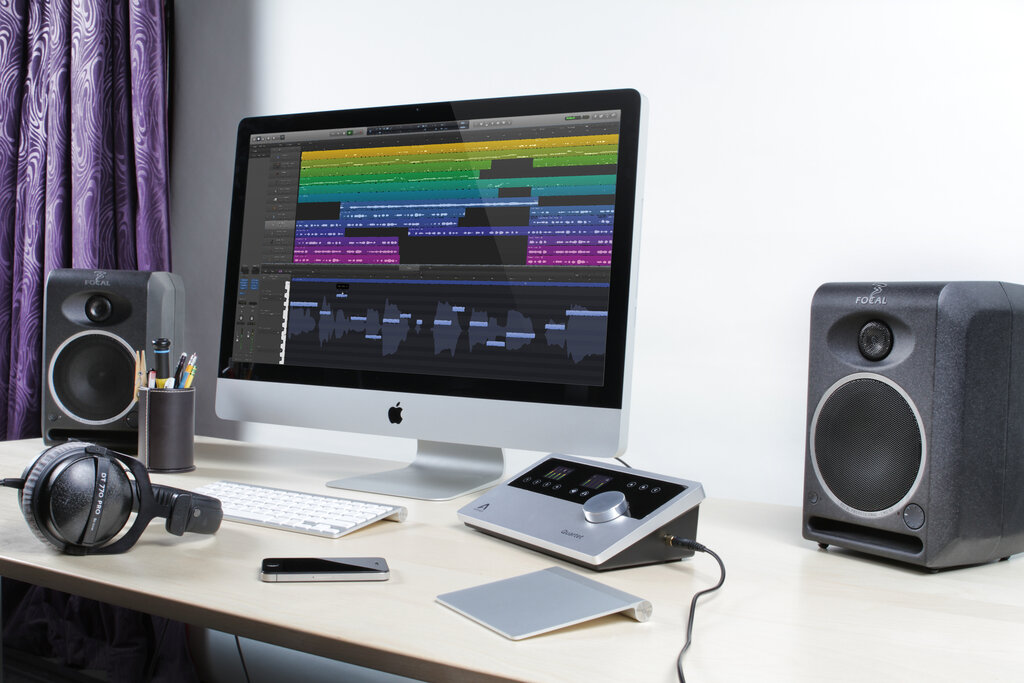
A DAW is where all the action happens. It’s where you’ll see your audio as visual waveforms, arrange different clips, add virtual instruments, and apply effects. It serves as your command center for the entire production process. Popular DAWs include Ableton Live, Logic Pro X, FL Studio, and Pro Tools. While they all do the same basic job, they have different workflows and features, so producers often choose the one that best fits their style.
The Essential Gear
Besides your computer and DAW, you'll need a few key pieces of hardware to capture and listen to your music. Let's look at the essentials.
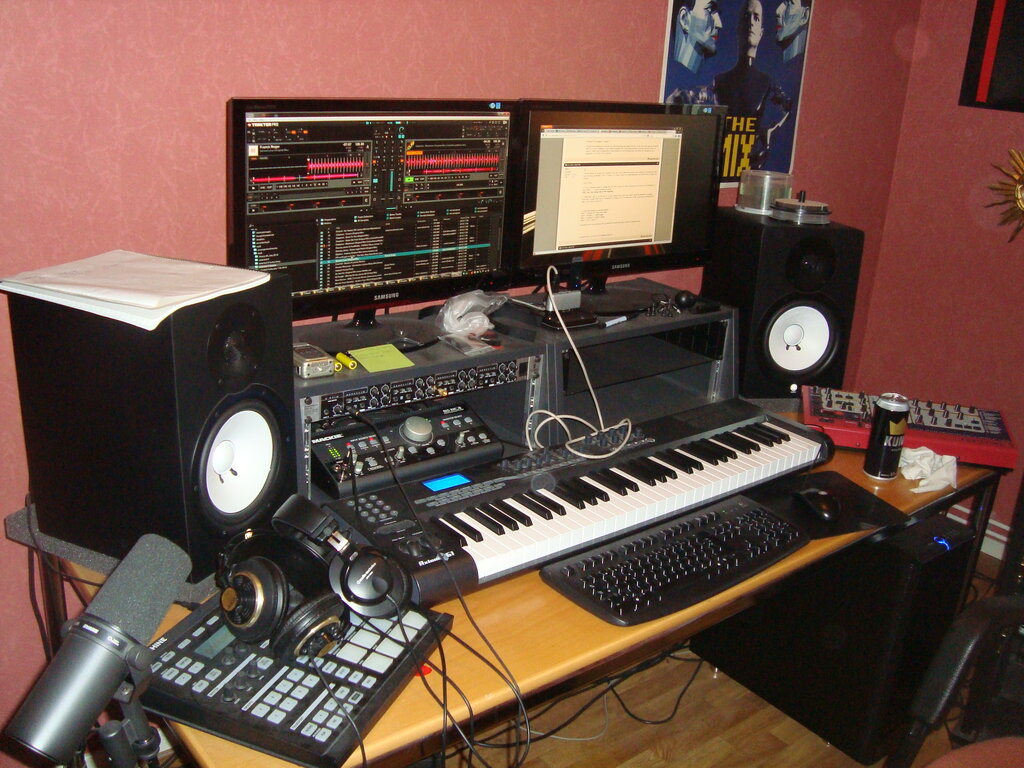
Audio Interface: This is a box that connects your microphones and instruments to your computer. Computers aren't built to understand signals from a microphone directly. The interface converts the analog audio signal into digital data that your DAW can read, and it does the reverse for playback.
Microphones: A microphone turns sound waves in the air into an electrical signal. There are many types, but the two most common are dynamic and condenser microphones. Dynamic mics are rugged and often used for loud sources like drum kits or guitar amps. Condenser mics are more sensitive and detailed, making them a popular choice for vocals and acoustic instruments.
Monitors: These aren't your average computer speakers. Studio monitors are designed to provide a very flat, accurate sound, without adding extra bass or treble. This honesty is crucial for mixing, as it allows you to hear your music exactly as it is, so you can make precise adjustments.
How It All Connects
Understanding how your gear works together is key. This path that the audio takes is called the signal flow. For a basic recording setup, it's pretty straightforward.
The sound begins at the source, like your voice or a guitar. The microphone captures this sound and turns it into an analog electrical signal. This signal travels through a cable to your audio interface. The interface then converts the analog signal into a digital one and sends it to your computer's DAW.
Once the audio is in the DAW, you can edit and mix it. For playback, the process reverses: the digital signal goes from the DAW back to the interface, which converts it back to an analog signal and sends it out to your studio monitors or headphones so you can hear it.
With this foundation, you have a solid grasp of what music production is and what you need to get started. It's a combination of a creative process and a technical craft.
Which of the following lists the five stages of music production in the correct order?
The final stage of music production, where a mixed track is polished for distribution and optimized for playback on various systems, is called _______.
These are the building blocks of every track you hear. Understanding them is the first step on your journey to creating your own music.