Introduction to Modern Standard Arabic
Arabic Alphabet
The Flowing Script
The Arabic script is built on 28 core letters. At first glance, it might seem intricate, but it follows a clear and consistent logic. Unlike English, which is written from left to right, Arabic flows from right to left across the page. This is one of the most fundamental features of the script.
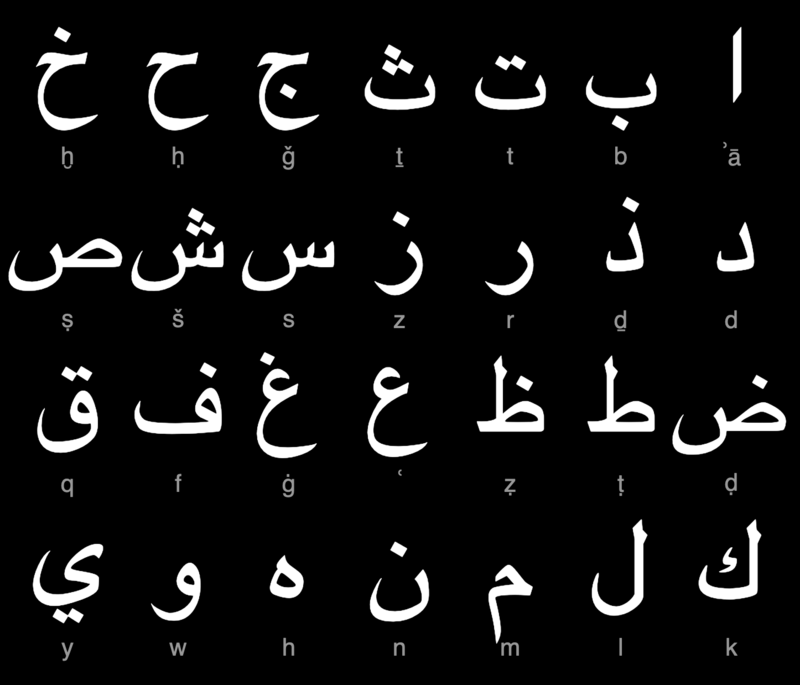
Imagine writing in a way that mirrors how you might open a book in English. You start from what feels like the 'back' and move toward the 'front.' It's simply a different direction of travel for your hand and eyes, but the principle of lining up letters to form words remains the same.
Letters That Connect
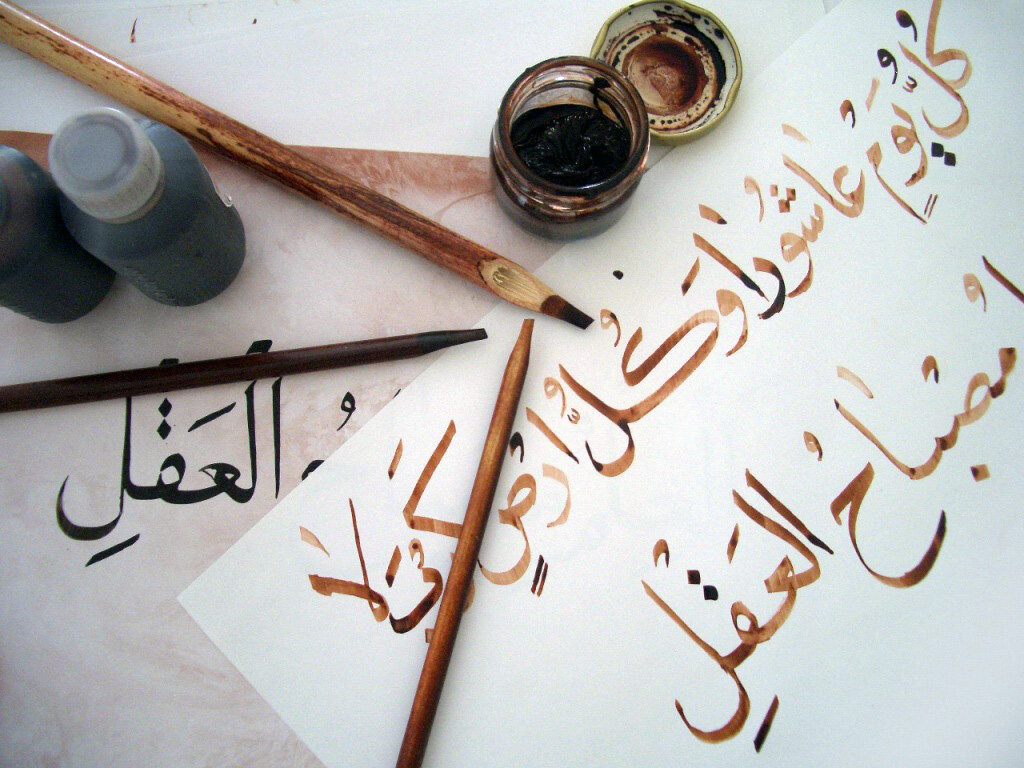
Another key feature of Arabic is its cursive nature. Think of it like handwriting in English, where letters in a word are joined together in a continuous stroke. In Arabic, this isn't just a stylistic choice; it's the standard way of writing. Most letters are designed to connect to the letter that follows them.
This connected flow is what gives Arabic calligraphy its celebrated beauty and elegance. Each letter blends into the next, creating a single, unbroken line for each word.
Four Forms for Each Letter
Because letters connect, they need to change shape slightly depending on where they appear in a word. It’s like having different puzzle pieces for the beginning, middle, or end of a word to ensure everything fits together smoothly.
Each letter has up to four distinct forms:
- Isolated: How the letter looks when it stands alone.
- Initial: How it looks at the beginning of a word, connecting to the letter on its left.
- Medial: How it looks in the middle of a word, connecting to letters on both sides.
- Final: How it looks at the end of a word, connecting to the letter on its right.
While this might sound complex, the changes are often small and predictable. The core identity of each letter remains clear.
| Letter | Isolated | Initial | Medial | Final |
|---|---|---|---|---|
| Bā’ (ب) | ب | بـ | ـبـ | ـب |
| Hā’ (ه) | ه | هـ | ـهـ | ـه |
| Sīn (س) | س | سـ | ـسـ | ـس |
Notice how Bā’ and Sīn simply extend a small line, called a ligature, to connect to the next letter. The letter Hā’ changes more dramatically, but you can still see its essence in each form.
A small group of letters, however, are known as 'non-connectors'. These letters will connect to a letter on their right, but never to a letter on their left. This creates a small, natural break within a word.
The six non-connecting letters are: أ (alif), د (dāl), ذ (dhāl), ر (rā’), ز (zāy), and و (wāw). When one of these appears in a word, the letter that follows it will start with its initial form.
Getting comfortable with these letter forms is the key to reading and writing Arabic. It's a system that, with a little practice, becomes second nature.
What is the primary direction of writing in the Arabic script?
Why do most Arabic letters have different shapes?