Introduction to Mental Health
Introduction to Mental Health
More Than Just Fine
Mental health is often misunderstood. It's not simply the absence of a mental illness. Think of it as a state of well-being. It's the foundation that allows you to cope with the normal stresses of life, work productively, and contribute to your community.
Good mental health means you can realize your own potential. It's a vital part of your overall health, just as important as physical health. It influences how you think, feel, and act, shaping your ability to handle stress, relate to others, and make choices.
Your mental health is a core part of your ability to experience and enjoy life.
The Mind-Body Connection
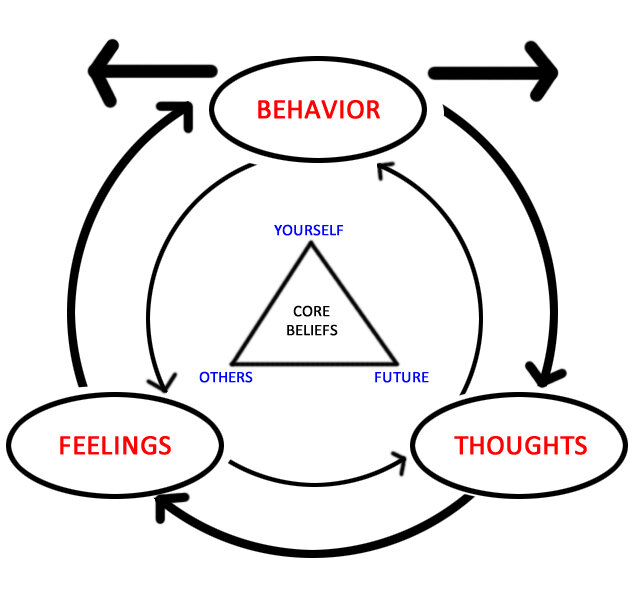
Your mind and body are not separate. They are deeply interconnected, constantly communicating with each other. Poor mental health can negatively impact your physical health, leading to issues like sleep problems, a weakened immune system, or an increased risk of heart disease.
Have you ever felt physically sick when you were very stressed or anxious? That's the mind-body connection in action. The reverse is also true. Taking care of your body through regular exercise, good nutrition, and adequate sleep can have a powerful positive effect on your mental well-being, helping to reduce symptoms of depression and anxiety.
A Spectrum of Experience
Mental health exists on a continuum. It's not a simple switch that's either on or off. We all move back and forth along this spectrum throughout our lives, depending on our circumstances and coping abilities.
On one end, you might be flourishing, feeling good and functioning well. On the other end, you might be struggling or experiencing symptoms of a mental illness. Most of us fall somewhere in the middle. It's also possible to have a diagnosed mental illness while still experiencing a high degree of mental well-being, just as it's possible to have poor mental health without a diagnosed illness.
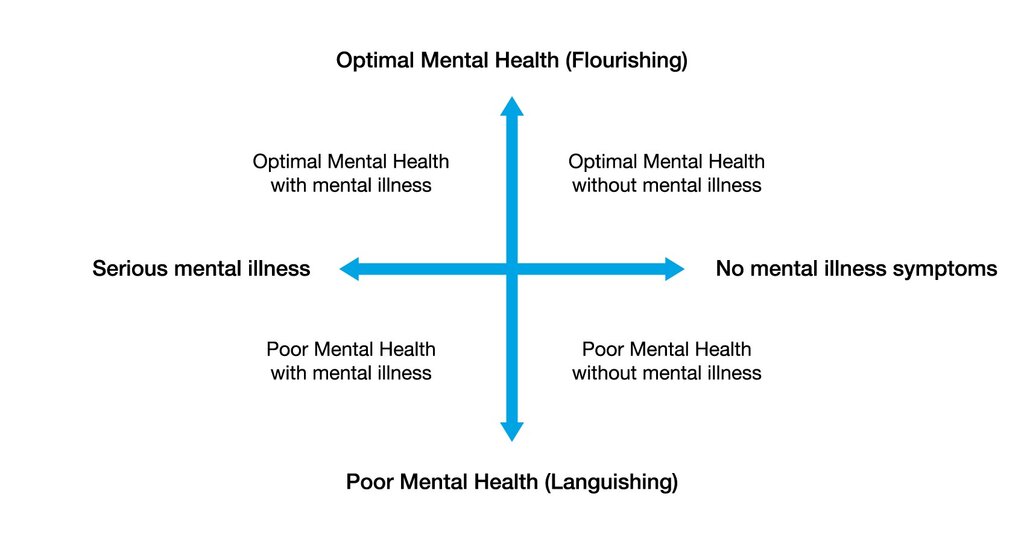
This idea helps us see that mental health is dynamic. A period of languishing or struggling isn't a permanent state. It's a signal that we may need to focus on our well-being, seek support, or make changes in our lives.
Bouncing Back with Resilience
Life is full of challenges, from everyday stressors to major life-changing events. The ability to adapt and bounce back from this adversity is called resilience.
Resilience
noun
The process and outcome of successfully adapting to difficult or challenging life experiences.
Resilience isn't about avoiding difficulty or not feeling emotional pain. It's about working through it. Think of a palm tree in a hurricane. It bends under the pressure of the wind, but it doesn't break. Once the storm passes, it straightens back up.
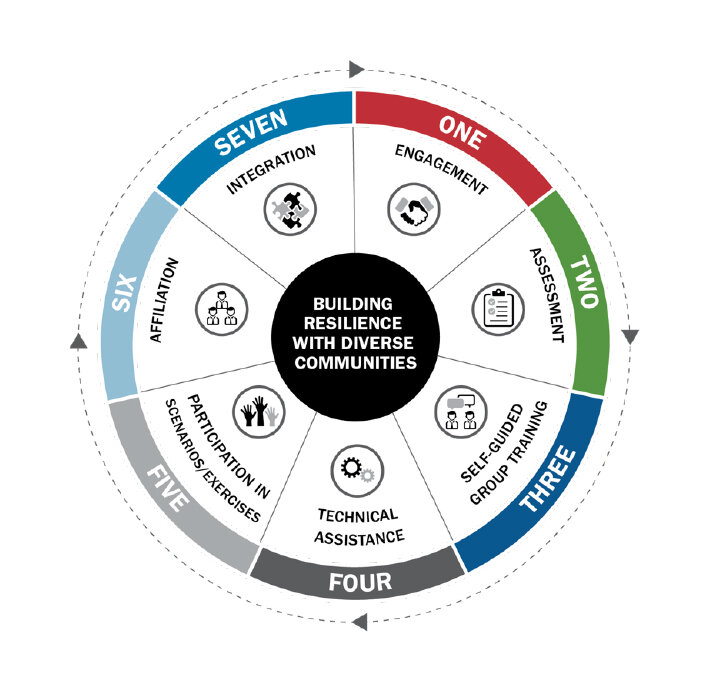
Like the tree, resilient people still experience stress, grief, and anxiety, but they tap into their strengths and support systems to move forward. The good news is that resilience isn't a trait you either have or don't have. It involves behaviors, thoughts, and actions that can be learned and developed by anyone.
Now, let's check your understanding of these core concepts.
Which of the following best describes mental health?
The mind-body connection means that taking care of your physical health through exercise and nutrition can positively affect your mental well-being.
Understanding these foundations is the first step toward taking a more active role in your own well-being and supporting those around you.