Introduction to Meditation
Introduction to Meditation
What Is Meditation?
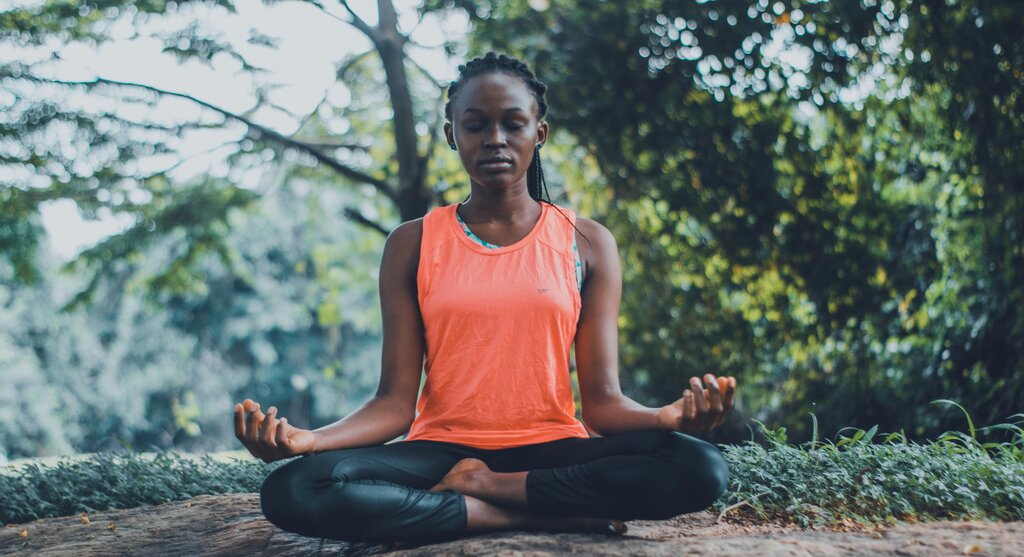
Meditation is a practice where you use a set of techniques to train your attention and awareness. The goal is to achieve a mentally clear and emotionally calm state.
Many people think meditation is about emptying your mind or stopping your thoughts. That’s not quite right. It's more like learning to observe your thoughts without getting swept away by them. Imagine you're sitting on a hillside, watching clouds drift across the sky. The clouds are your thoughts and feelings. You notice them, but you don't chase after them. You just let them pass.
Meditation
noun
A practice involving techniques such as mindfulness or focusing the mind on a particular object, thought, or activity to train attention and awareness, and achieve a mentally clear and emotionally calm and stable state.
Like learning to play the piano or ride a bike, meditation is a skill that you build over time. It’s a practice, not a destination. While it has roots in many spiritual traditions, you don’t need to be religious to practice it. Today, millions of people meditate for secular reasons, like managing stress or improving focus.
A Brief History
Meditation is not a new trend. Its roots stretch back thousands of years, with the earliest written records found in the Vedas, ancient Hindu scriptures from around 1500 BCE in India. These early forms were deeply intertwined with spiritual quests for enlightenment.
Meditation practices originated thousands of years ago.
The practice was central to the life of Siddhartha Gautama, the Buddha, around the 5th century BCE. He is said to have achieved enlightenment through meditation. As Buddhism spread from India across Asia, it carried different meditation techniques with it, adapting to new cultures in places like China, Japan, and Tibet.
But contemplative practices aren't unique to Hinduism and Buddhism. Similar forms of inner reflection developed in different parts of the world. Taoist traditions in China focused on circulating energy, while Christian desert fathers practiced contemplative prayer, and Sufi mystics in Islam used whirling and chanting to reach transcendent states.
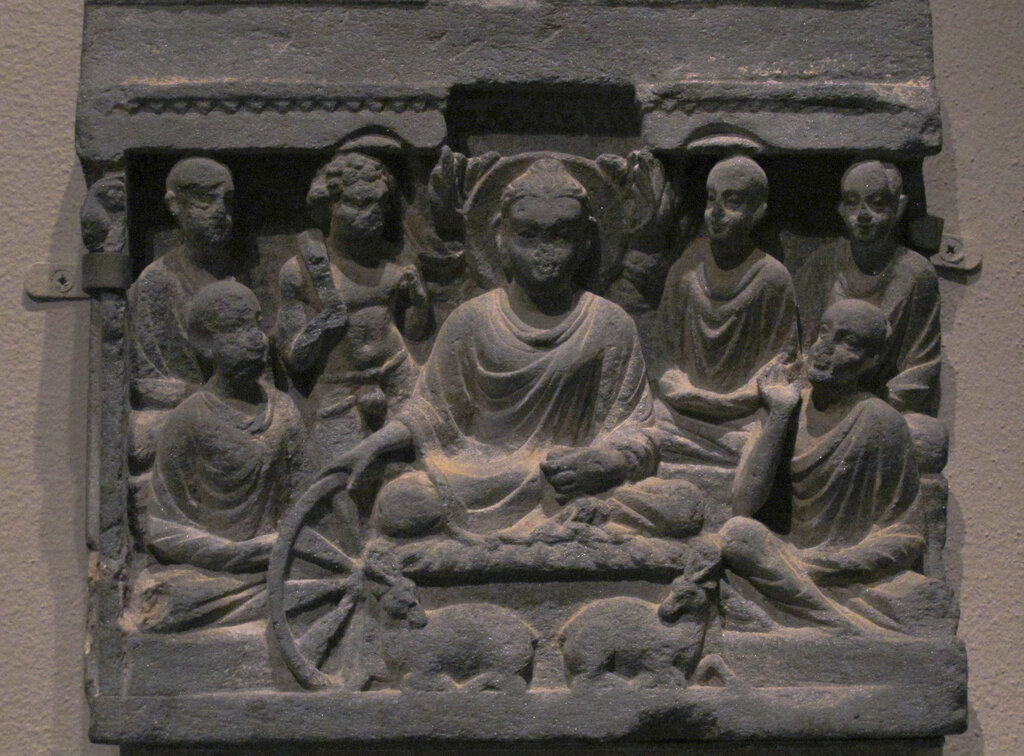
It wasn't until the 20th century that meditation really entered the Western mainstream. Scholars, spiritual teachers, and travelers began introducing these ancient practices to new audiences, often stripped of their religious context and framed as tools for well-being.
Different Forms of Practice
There is no single "right" way to meditate. The practice has branched into countless forms over the centuries, each with a different focus. Think of it like physical exercise: some people lift weights, others run, and some do yoga. They all build fitness, but they use different methods.
Here's a quick look at the two main categories that most techniques fall into:
| Category | Focus | Goal |
|---|---|---|
| Focused Attention | A single object | Develop concentration |
| Open Monitoring | All perceptions | Cultivate non-judgmental awareness |
In focused attention meditation, you concentrate on one thing, like your breath, a candle flame, or a repeated word (a mantra). When your mind wanders, you gently guide it back to your point of focus. This trains your ability to concentrate.
In open monitoring meditation, instead of focusing on one thing, you open your awareness to whatever comes into your perception—sights, sounds, thoughts, and bodily sensations. The key is to notice these things without judging or clinging to them. This builds a more expansive and accepting awareness of the present moment.
Many styles of meditation blend these two approaches. From walking meditation to loving-kindness practices, each offers a unique path toward a more focused and peaceful mind.
Now that you have a foundational understanding of what meditation is and where it comes from, let's test your knowledge.
What is the primary goal of meditation as described in the text?
The text uses an analogy of watching clouds drift across the sky to explain how one should relate to their ______.
This foundation sets the stage for exploring specific techniques and how they can be applied in daily life.