Introduction to Meditation
Introduction to Mindfulness
Paying Attention on Purpose
Mindfulness is simply the practice of paying attention. It’s about noticing what's happening right now, without judging it. Think about the last time you ate a meal. Did you really taste it? Or were you scrolling through your phone, watching TV, or thinking about your to-do list? Most of us live on autopilot, our minds wandering everywhere except where we are.
Mindfulness is about stepping out of that autopilot mode. It's the basic human ability to be fully present, aware of where we are and what we’re doing, and not overly reactive or overwhelmed by what’s going on around us.
This practice isn't about emptying your mind or stopping your thoughts. That’s impossible. Instead, it’s about observing your thoughts and feelings from a distance, like watching clouds drift across the sky. You see them, you acknowledge them, but you don't get carried away by them.
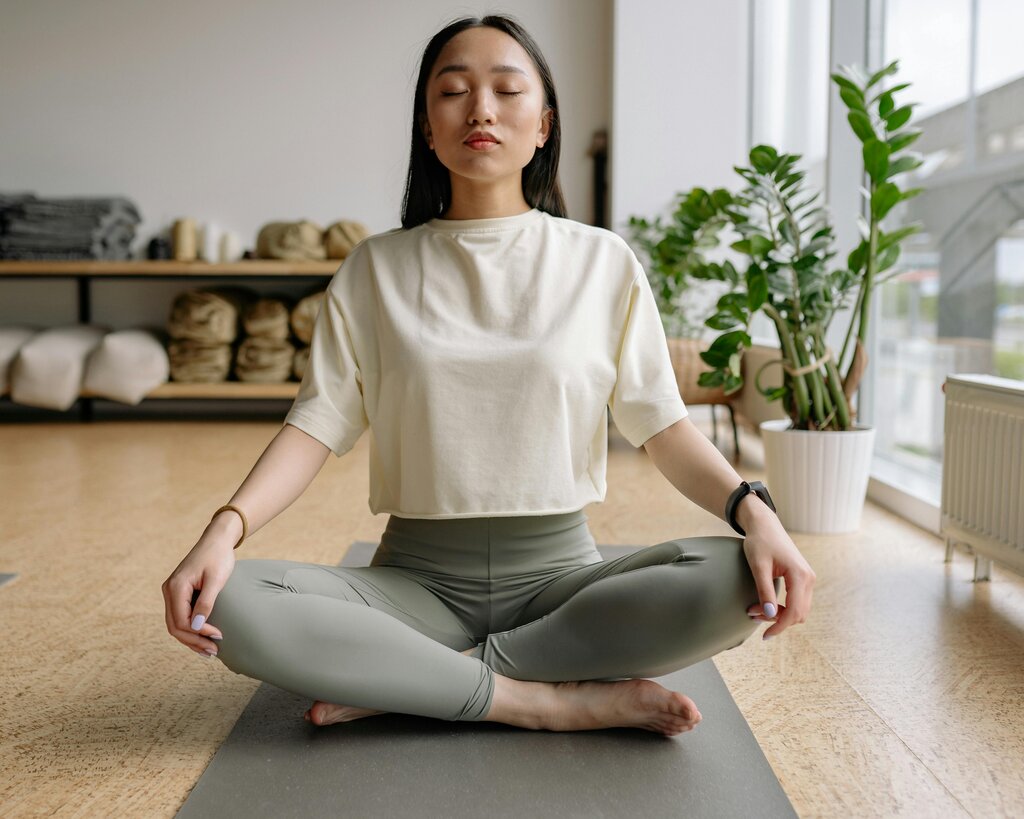
This skill of gentle, non-judgmental awareness is the foundation of many meditation practices. Before you can work with your mind, you first have to learn how to observe it.
The Benefits of Awareness
When you consistently practice mindfulness, you start to notice changes in how you handle life. The small gap between a feeling and your reaction to it can grow wider. Instead of immediately snapping when you feel irritated, you might notice the anger, take a breath, and choose a calmer response. This leads to less stress and a greater sense of control.
Mindfulness teaches us to respond rather than react to situations, which may lead to better decision-making and improved relationships with ourselves and others.
Practicing mindfulness has been shown to improve focus and reduce mental clutter. By training your attention on one thing, like your breath, you strengthen your ability to concentrate on other tasks. It can also lead to a greater appreciation for everyday moments. A simple walk becomes a richer experience when you notice the feeling of the sun on your skin or the sound of birds.
Simple Exercises to Start
You don’t need a special cushion or a silent retreat to begin. You can practice mindfulness right now, wherever you are. Here are a few simple exercises to weave into your daily life.
Mindful Breathing: This is the cornerstone of mindfulness. Find a comfortable place to sit. Close your eyes if you'd like. Turn your attention to your breath. Don't try to change it. Just notice the sensation of the air entering your nostrils and filling your lungs. Notice your belly rising and falling. When your mind wanders (and it will), gently guide your attention back to your breath. Try this for just one minute.
Doing this simple exercise helps anchor you in the present moment.
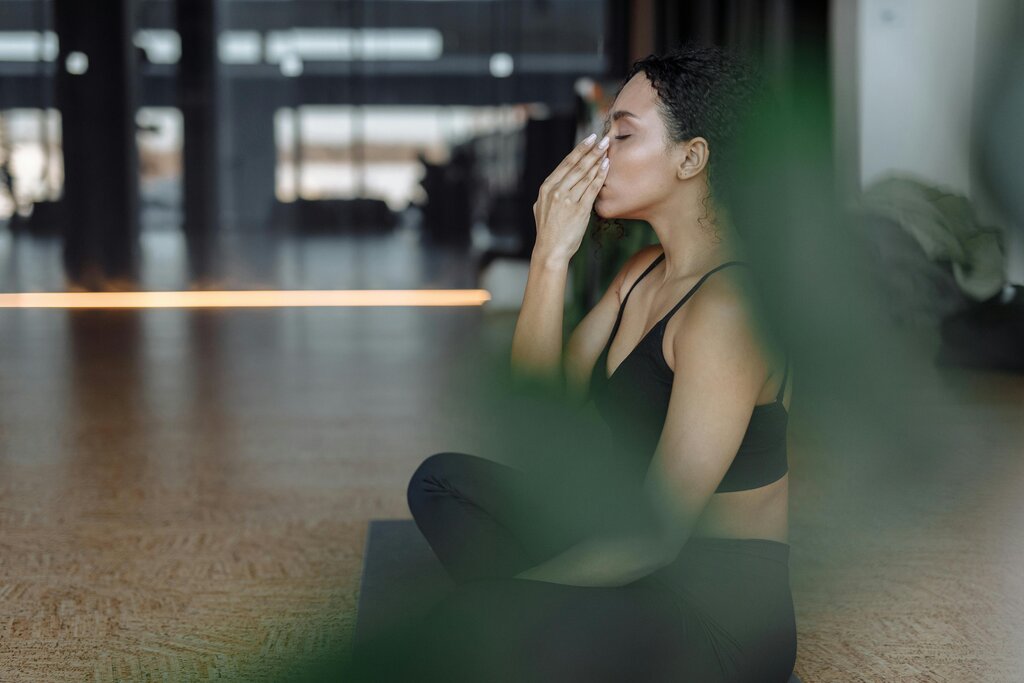
Another easy way to practice is to bring mindful attention to a routine activity.
The Mindful Sip: Next time you have a cup of coffee or tea, turn it into a mindfulness exercise. Before you take a sip, look at the cup. Notice its color and shape. Feel its warmth in your hands. Bring it to your nose and smell the aroma. Then, take a small sip. Notice the taste and the temperature in your mouth. Pay attention to the entire process instead of drinking it unconsciously.
These small moments of intentional awareness, sprinkled throughout your day, build the foundation for a more mindful life. They train your brain to return to the present, creating a sense of calm and clarity.
What is the core practice of mindfulness?
True or False: The main goal of mindfulness is to stop your thoughts.
By starting with these simple practices, you're building a powerful skill. This awareness is the first step toward deeper meditation and a more centered life.