Introduction to Meditation
Introduction to Meditation
What Is Meditation?
At its core, meditation is a practice for training your attention and awareness. Think of it like exercise for your brain. Just as you might lift weights to strengthen your muscles, you can meditate to cultivate a more focused, calm, and clear state of mind.
A common misconception is that meditation is about stopping your thoughts or emptying your mind. That’s not quite right. Instead, it’s about learning to observe your thoughts and feelings without getting carried away by them. You learn to notice where your mind goes and gently guide it back to the present moment.
Meditation
noun
A practice where an individual uses a technique – such as mindfulness, or focusing the mind on a particular object, thought, or activity – to train attention and awareness, and achieve a mentally clear and emotionally calm and stable state.
Meditation is the practice of focused attention, awareness, and mindfulness.
A Quick Trip Through Time
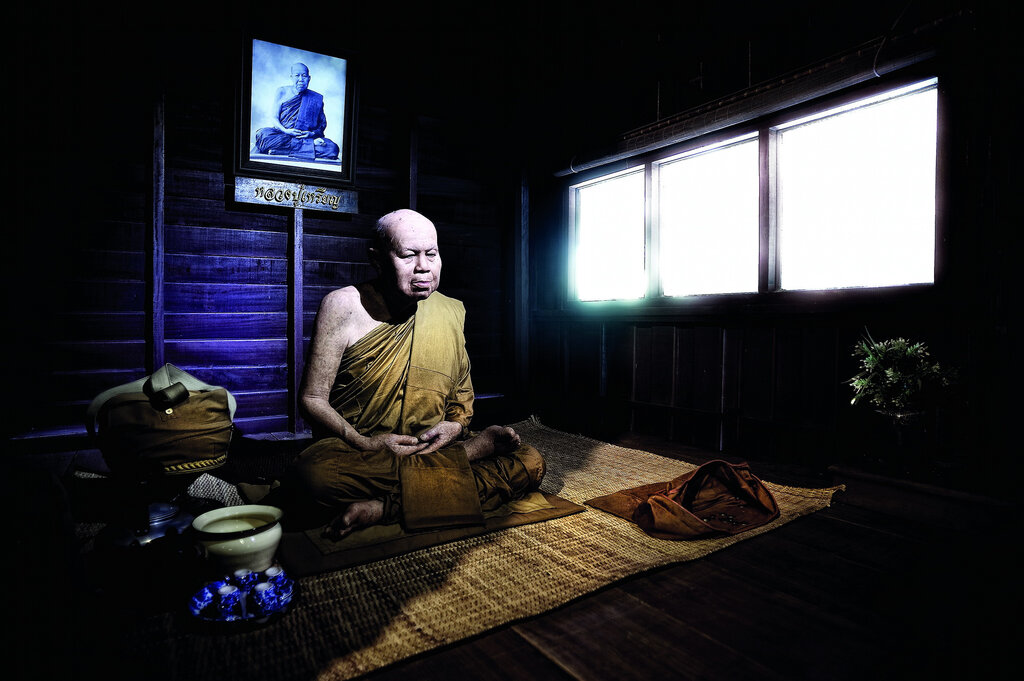
Meditation is an ancient practice with roots stretching back thousands of years. It first appeared in Eastern traditions, particularly in ancient India within Vedic Hinduism. From there, it became a central practice in Buddhism, spreading across Asia and evolving into many different forms.
For centuries, meditation was primarily a spiritual practice. Monks and ascetics used it to explore the nature of consciousness and reality. Today, while it remains a vital part of many spiritual traditions, it has also been embraced by people all over the world for its secular benefits.
Modern science has taken a keen interest in meditation, studying its effects on the brain and body. This research has helped bring meditative practices into mainstream settings like hospitals, schools, and workplaces as a tool for improving mental and physical health.
Many Paths, One Goal
There isn't just one way to meditate. The practice has evolved into hundreds of different styles, each with its own focus and technique. However, most fall into two main categories: focused attention and open monitoring.
| Technique | Primary Goal |
|---|---|
| Focused Attention | Concentrating on a single object, like the breath, a sound, or a visual point. |
| Open Monitoring | Observing whatever comes into your awareness without focusing on any one thing. |
Some popular forms of meditation you might encounter include:
- Mindfulness Meditation: Paying attention to your thoughts, feelings, and bodily sensations in the present moment without judgment.
- Vipassanā Meditation: An ancient Indian practice of self-observation to see things as they really are.
- Walking Meditation: Focusing on the physical sensation of walking to stay grounded in the present.
- Loving-Kindness Meditation: Cultivating feelings of warmth, kindness, and compassion for yourself and others.
While the techniques differ, the underlying goal is often the same: to foster a greater sense of awareness and inner peace.
Why Meditate?
People come to meditation for many reasons. For some, it's a way to manage stress and anxiety. For others, it's about improving focus and productivity. Research has shown that a regular meditation practice can have a wide range of positive effects.
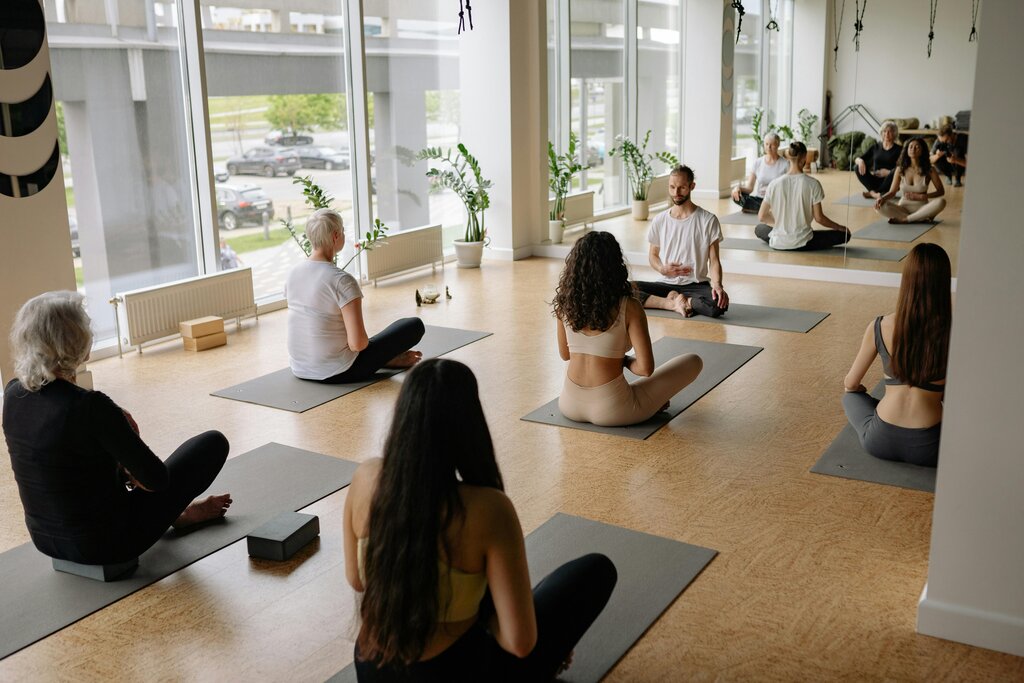
Key benefits often include:
- Stress Reduction: Meditation can help lower cortisol, the primary stress hormone, leading to a greater sense of calm.
- Improved Focus: By training your attention, you can enhance your ability to concentrate on tasks for longer periods.
- Emotional Well-being: The practice helps you become more aware of your thought patterns, making it easier to manage difficult emotions and cultivate positive ones.
- Better Self-Awareness: Meditation offers a chance to understand yourself better, observing your own mind without criticism.
When we meditate, we inject far-reaching and long-lasting benefits into our lives: We lower our stress levels, we get to know our pain, we connect better, we improve our focus, and we’re kinder to ourselves.
Let's review the main ideas we've covered.
Ready to check your understanding?
What is the core practice of meditation?
The practice of meditation originated in ancient Eastern traditions, like Vedic Hinduism and Buddhism.
Understanding what meditation is (and isn't) is the first step. Now you have a foundation to build upon as you explore how to actually practice it.