Introduction to Medical Coding
Introduction to Medical Coding
What Is Medical Coding?
Think of medical coding as a form of translation. When you visit a doctor, they write detailed notes about your health: your symptoms, their diagnosis, the tests ordered, and any treatments provided. A medical coder's job is to take that complex medical story and translate it into a standardized set of codes.
Medical coding is the systematic process of translating healthcare diagnoses, procedures, medical services, and equipment into universal medical alphanumeric codes.
These codes are universal, meaning a specific code for a flu diagnosis is the same in a clinic in California as it is in a hospital in Florida. This standardization is crucial. It allows different parts of the healthcare system—doctors, hospitals, insurance companies, and government agencies—to communicate clearly and efficiently.
Without this common language, billing would be chaotic, and it would be nearly impossible to track diseases or analyze the effectiveness of treatments across large populations.
The Coder's Role in Healthcare
A medical coder acts as a bridge between patient care and the financial side of healthcare. After a patient visit, the coder carefully reviews the physician's documentation. They identify the key pieces of information and assign the corresponding codes.
This process creates a claim, which is a detailed bill sent to the insurance company for payment. The coder ensures that the services provided are accurately represented by the codes submitted. This single function is vital for the financial health of any medical practice.
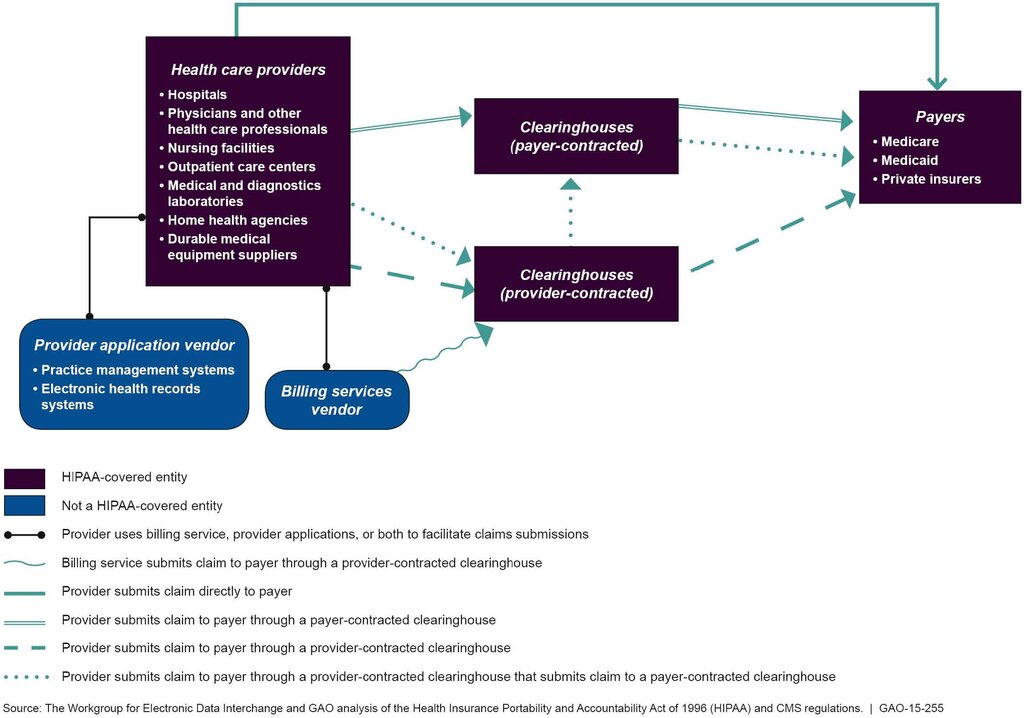
But the role goes beyond just billing. The data generated from medical codes is used for much more. Researchers use it to study diseases, public health officials use it to track outbreaks, and hospitals use it to assess the quality of their care.
The Main Coding Systems
Coders don't just use one giant book of codes. They rely on a few different systems, each with a specific purpose. The three main ones you'll encounter are ICD-10, CPT, and HCPCS.
| Code System | Full Name | What It Codes |
|---|---|---|
| ICD-10-CM | International Classification of Diseases, 10th Revision, Clinical Modification | Diagnoses and conditions (the why) |
| CPT | Current Procedural Terminology | Medical procedures and services (the what) |
| HCPCS | Healthcare Common Procedure Coding System | Supplies, equipment, and services not in CPT |
Think of it this way: ICD-10 codes explain why you saw the doctor (e.g., strep throat, broken arm). CPT codes describe what the doctor did for you (e.g., a throat swab, setting a fracture).
HCPCS (often pronounced "hick-picks") is a broader system. It includes all the CPT codes but also has its own set of codes, known as Level II codes, for things like ambulance services, wheelchairs, and specific drugs administered in a doctor's office.
Why Accuracy Is Everything
Accuracy in medical coding isn't just a detail; it's the foundation of the entire system. A small mistake can have big consequences. An incorrect code could lead an insurance company to deny a claim, leaving the patient with an unexpected bill. A code that isn't specific enough could result in the healthcare provider being underpaid for their services.
Accurate coding ensures proper payment, maintains compliance with regulations, and provides reliable data for healthcare analytics.
Compliance with strict government and insurance regulations is also paramount. Consistent, accurate coding helps prevent fraud and abuse, protecting both patients and healthcare organizations. Every code tells a part of the patient's story, and it's the coder's responsibility to tell that story correctly.
What is the primary function of a medical coder?
A patient is seen for strep throat, and the doctor performs a throat swab test. The code for "strep throat" would be found in which code set?
This introduction covers the basics of what medical coding is and why it's so important in healthcare. Understanding these fundamentals is the first step toward mastering the more detailed aspects of specific code sets.