Introduction to Mechanical Engineering
Introduction to Mechanical Engineering
What Is Mechanical Engineering?
At its heart, mechanical engineering is about taking ideas and turning them into reality. It’s the field dedicated to designing, building, and maintaining the machines and systems that move our world. From the tiniest gears in a watch to massive power plant turbines, mechanical engineers are the creative minds behind the mechanics.
Mechanical engineering is a branch of engineering that focuses on the design, analysis, manufacturing, and maintenance of mechanical systems.
This field is incredibly broad. If something moves or uses energy, a mechanical engineer was likely involved. They figure out how to make things work efficiently, reliably, and safely, blending science, math, and a heavy dose of creativity.
A Quick Trip Through Time
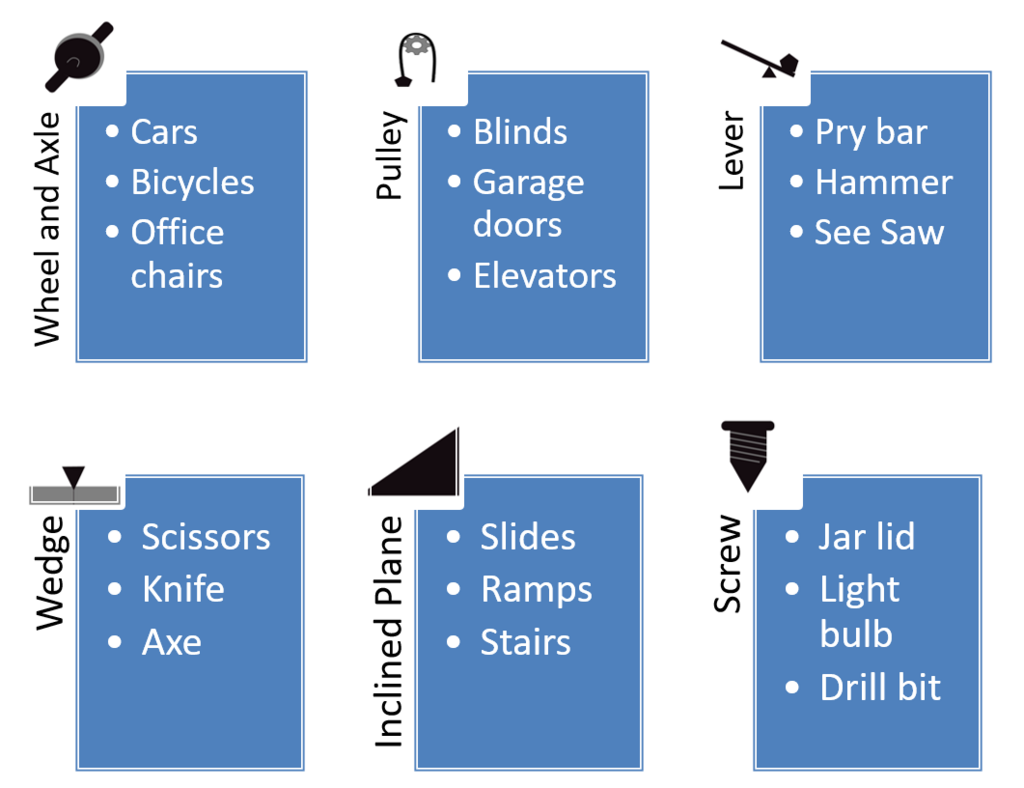
The roots of mechanical engineering are ancient. Think of Archimedes in ancient Greece, who developed the screw pump and explained the principle of the lever. These simple machines laid the groundwork for more complex mechanical systems.
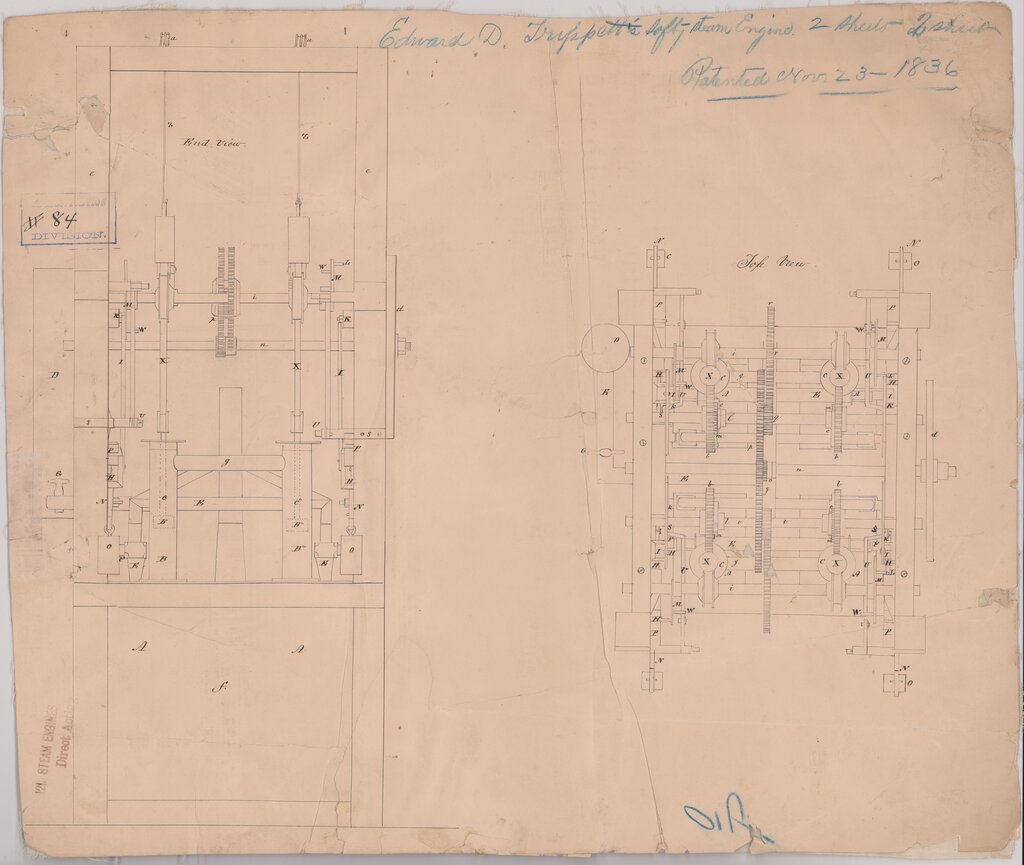
The field truly exploded during the Industrial Revolution in the 18th and 19th centuries. The invention of the steam engine by innovators like James Watt changed everything. Suddenly, we could power factories, trains, and ships on a massive scale. This era marked the formal birth of mechanical engineering as a distinct discipline.
Today, mechanical engineering continues to evolve, driving innovations in robotics, aerospace, renewable energy, and advanced manufacturing. The principles are timeless, but the applications are always pushing the boundaries of what's possible.
The Core Principles
Mechanical engineers rely on a set of fundamental principles to solve problems. These are the tools of their trade.
Mechanics
noun
The study of forces, motion, and energy. It's divided into statics (forces on stationary objects) and dynamics (forces on moving objects).
Mechanics helps an engineer determine if a machine part is strong enough to withstand the forces it will encounter without breaking. It’s the science of pushes, pulls, and twists.
Thermodynamics
noun
The science of energy, particularly heat, and its conversion into other forms, like mechanical work.
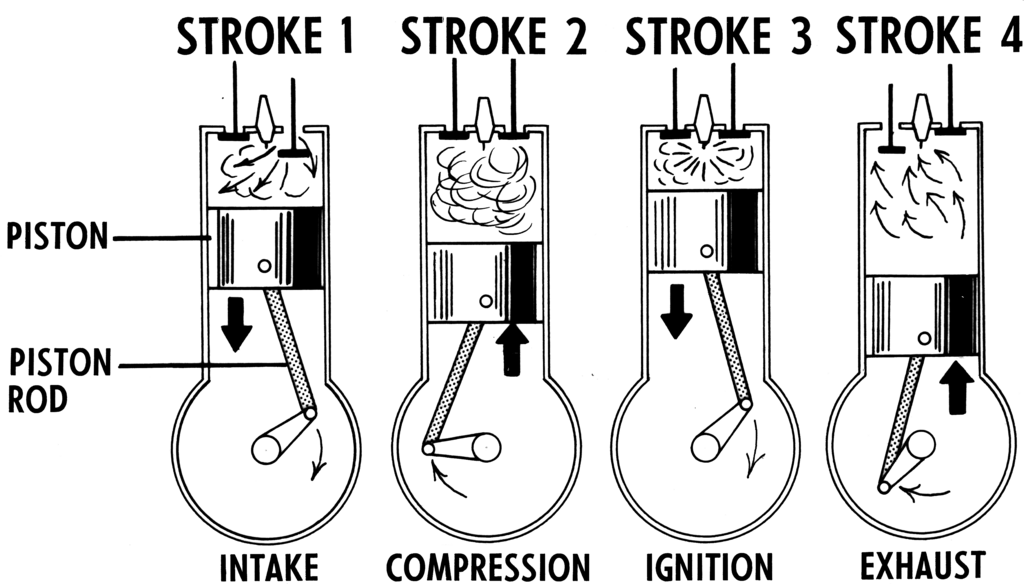
This principle is key to designing engines, power plants, and HVAC (heating, ventilation, and air conditioning) systems. It’s all about managing energy flow.
Other key areas include Fluid Mechanics, which deals with liquids and gases in motion (think aerodynamics of a plane wing or water flow through a pipe), and Materials Science, the study of how different materials like metals, plastics, and composites behave under different conditions. Choosing the right material is critical for a product's success and safety.
What Do Mechanical Engineers Do?
The role of a mechanical engineer is incredibly varied. They don't just work with wrenches; they're designers, analysts, and problem-solvers. Their work typically follows a design process.
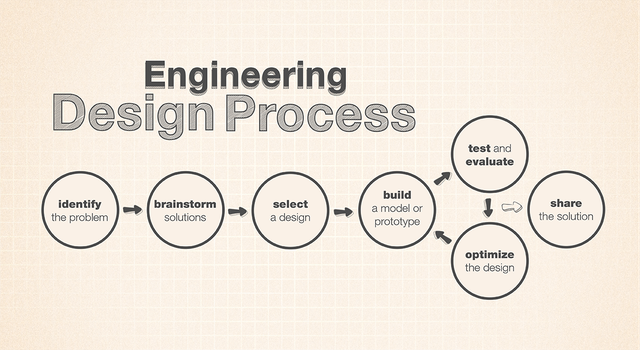
This process involves understanding a problem, brainstorming solutions, creating detailed designs (often with computer-aided design, or CAD, software), analyzing those designs with simulations, building prototypes, and then testing them rigorously.
Because their skills are so versatile, you can find mechanical engineers in almost any industry.
| Field | Role of the Mechanical Engineer |
|---|---|
| Automotive | Designing engines, transmissions, and vehicle bodies. |
| Aerospace | Developing aircraft, spacecraft, and satellites. |
| Robotics | Creating robots and automated systems for manufacturing or exploration. |
| Energy | Designing turbines for power plants and systems for renewable energy. |
| Biomedical | Engineering prosthetic limbs, surgical tools, and medical devices. |
Engineering with a Conscience
With great power comes great responsibility. Since the work of engineers can have a huge impact on people's lives, they must adhere to a strict code of ethics. Public safety is the number one priority.
This means designing products that won't fail dangerously, being honest about the limitations of a design, and considering the environmental and societal impact of their work. A bridge must not collapse, a car's brakes must work every time, and a power plant must operate safely.
Ethical engineering is about more than just following rules; it's a commitment to using technical skills for the betterment of humanity.
Engineers also have a professional responsibility to keep learning throughout their careers. Technology changes quickly, and staying up-to-date on new materials, manufacturing techniques, and analytical tools is essential to doing the job well.
Let's review some of the core concepts we've covered.
Now, test your understanding of these foundational ideas.
Which historical event was the most significant catalyst for the formal establishment of mechanical engineering as a distinct discipline?
An engineer analyzing the forces on a bridge beam to ensure it won't break under the load of traffic is primarily using which fundamental principle?
Mechanical engineering is a dynamic field that blends creativity with scientific principles to solve some of the world's most interesting challenges.