Introduction to Mechanical Engineering
Introduction to Mechanical Engineering
What Is Mechanical Engineering?
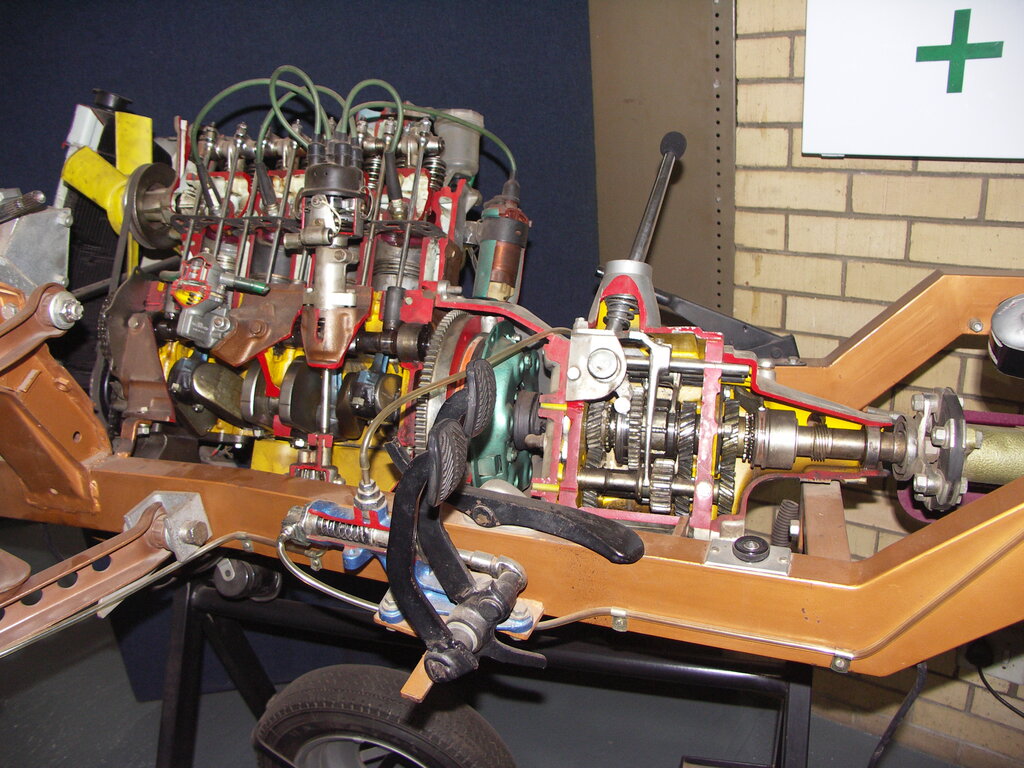
Mechanical engineering is one of the broadest fields of engineering. It's all about designing, building, and maintaining the machines and systems that make the world work. From the tiny gears in a watch to the massive turbines in a power plant, mechanical engineering is behind the scenes.
Engineering is fundamentally the systematic application of scientific and mathematical principles to design, build, and maintain structures, machines, systems, and processes that solve practical problems and improve human life.
Think of it as the discipline that applies physics and materials science to create mechanical systems. If something moves, it likely involved a mechanical engineer.
The Core Disciplines
Mechanical engineering is built on several core areas of science. Understanding these pillars is key to understanding the field.
Mechanics
noun
The branch of physics concerned with the behavior of physical bodies when subjected to forces or displacements, and the subsequent effects of the bodies on their environment.
Mechanics itself is split into two key areas:
- Statics: The study of objects at rest. Why does a building stand up? How much weight can a shelf hold? That's statics.
- Dynamics: The study of objects in motion. This is where we analyze how forces cause objects to accelerate, rotate, and move. Think about the trajectory of a baseball or the suspension of a car.
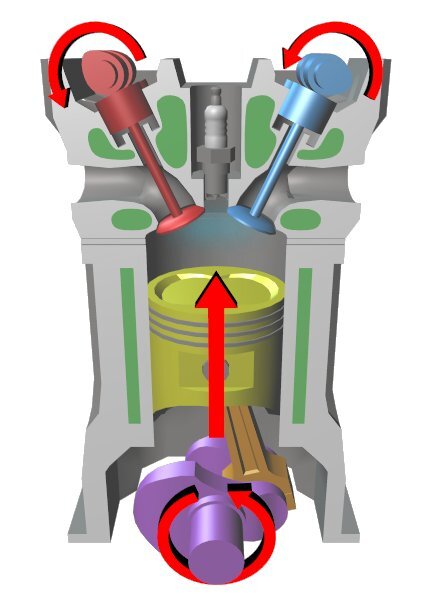
Next is thermodynamics, the study of energy, heat, and work. It's crucial for designing engines, power plants, and HVAC (heating, ventilation, and air conditioning) systems. It helps answer questions like how to efficiently convert the chemical energy in fuel into the motion of a car.
Materials science is another fundamental area. An engineer must choose the right material for the job. Should a component be made of steel, aluminum, or a plastic composite? The choice depends on factors like strength, weight, cost, and resistance to heat and corrosion.
Finally, structural analysis involves using mechanics and materials science to understand and predict how structures behave under loads. This ensures that a design is safe and won't fail unexpectedly. Engineers use it to analyze everything from airplane wings to bicycle frames.
The Engineer's Role
So, what does a mechanical engineer actually do? Their work typically spans the entire lifecycle of a product, from the initial idea to the final disposal.
The main responsibilities include:
- Design: Conceptualizing and creating blueprints for new products and systems.
- Analysis: Using computer-aided engineering (CAE) tools and calculations to simulate and test designs before they are built.
- Manufacturing: Overseeing the production process to ensure products are built to specification.
- Maintenance: Developing procedures to keep mechanical systems running reliably and efficiently.
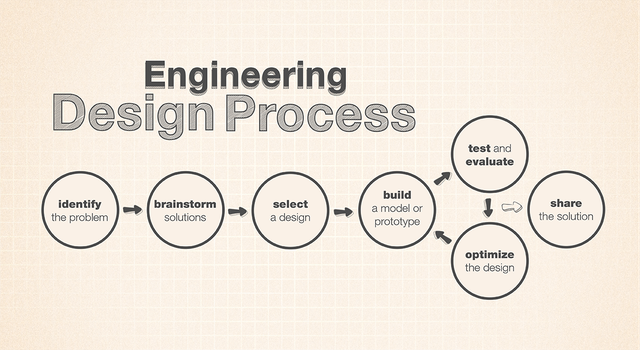
This process is often iterative. Engineers design something, test it, find flaws, and then go back to the design phase to improve it. This cycle continues until the product meets all its requirements.
Applications Across Industries
The skills of a mechanical engineer are in demand across nearly every sector of the economy. Their work is essential for innovation and production.
| Industry | Role of Mechanical Engineering |
|---|---|
| Automotive | Designing engines, transmissions, braking systems, and vehicle bodies. |
| Aerospace | Developing aircraft, spacecraft, satellites, and propulsion systems. |
| Energy | Engineering power plants (fossil fuel, nuclear, renewable), turbines, and generators. |
| Manufacturing | Creating and maintaining the robotic and automated systems used in factories. |
| Biomedical | Designing prosthetic limbs, artificial organs, and medical diagnostic equipment. |
From developing a more efficient car engine to designing a life-saving medical device, mechanical engineers play a vital role in shaping the technology we rely on every day.
The study of objects and systems at rest is known as:
Which core area of mechanical engineering is most crucial for designing an efficient car engine that converts fuel into motion?