Introduction to Mechanical Engineering
Introduction to Mechanical Engineering
The Science of Movement
At its heart, mechanical engineering is the art and science of making things move. It's about designing, building, and maintaining the machines that power our world, from the tiniest gears in a watch to the massive turbines in a power plant. If an object or system has moving parts, a mechanical engineer probably had a hand in its creation.
Think of it as one of the broadest engineering fields. Mechanical engineers work on transportation, power generation, climate control, and manufacturing. They develop the robots that build cars, the engines that power airplanes, and the medical devices that save lives. They are problem-solvers who use the principles of motion, energy, and force to create technology that helps people.
From Levers to Lasers
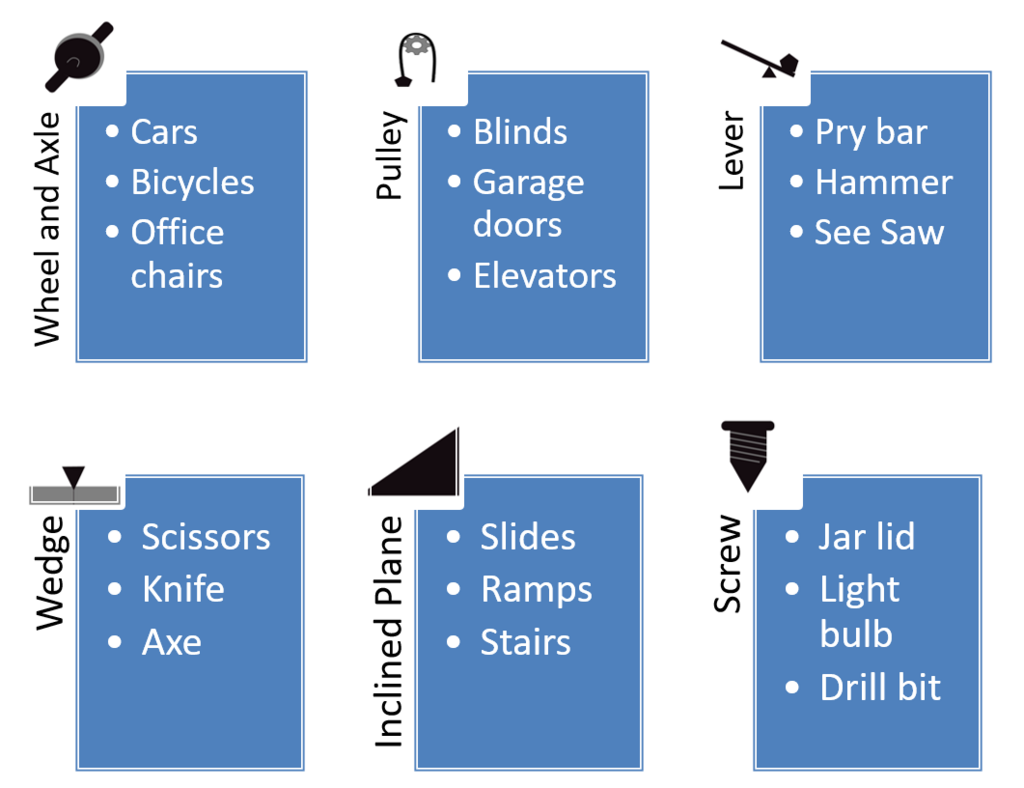
The story of mechanical engineering is the story of human innovation. It began with the invention of the wheel and the lever thousands of years ago. These simple machines made work easier and laid the foundation for more complex technology.
The field exploded during the Industrial Revolution in the 18th and 19th centuries. The development of the steam engine by pioneers like James Watt changed everything. For the first time, we could power factories and transportation without relying on muscle, wind, or water. This era gave birth to mechanical engineering as a formal discipline, separate from civil engineering.
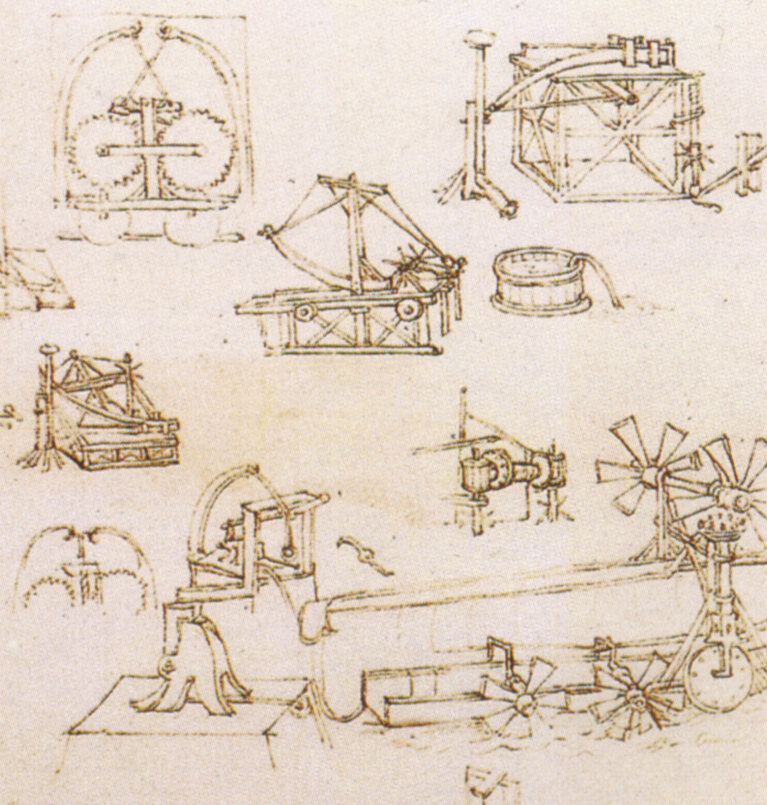
Since then, progress has been relentless. The 20th century brought the internal combustion engine, airplanes, and mass production. Today, mechanical engineers are at the forefront of fields like robotics, nanotechnology, and renewable energy, constantly pushing the boundaries of what's possible.
Core Building Blocks
Mechanical engineering rests on a foundation of several key scientific principles. Understanding these core areas is essential for designing and analyzing any mechanical system. While they overlap and interact, each one represents a distinct field of study.
| Core Area | Focus | Example |
|---|---|---|
| Mechanics | How forces affect objects, both at rest (statics) and in motion (dynamics). | Designing a car's suspension system. |
| Thermodynamics | The study of energy, heat, and their conversion into work. | Improving the efficiency of a jet engine. |
| Materials Science | The properties of different materials and how to select the best one for a job. | Choosing a lightweight but strong alloy for an aircraft frame. |
| Structural Analysis | Ensuring parts and systems are strong enough to withstand stress and strain. | Analyzing a bridge to make sure it won't collapse under load. |
These areas are the toolkit of a mechanical engineer. Whether designing a simple can opener or a complex spacecraft, engineers apply these principles to predict how their designs will behave in the real world.
Driving Modern Technology
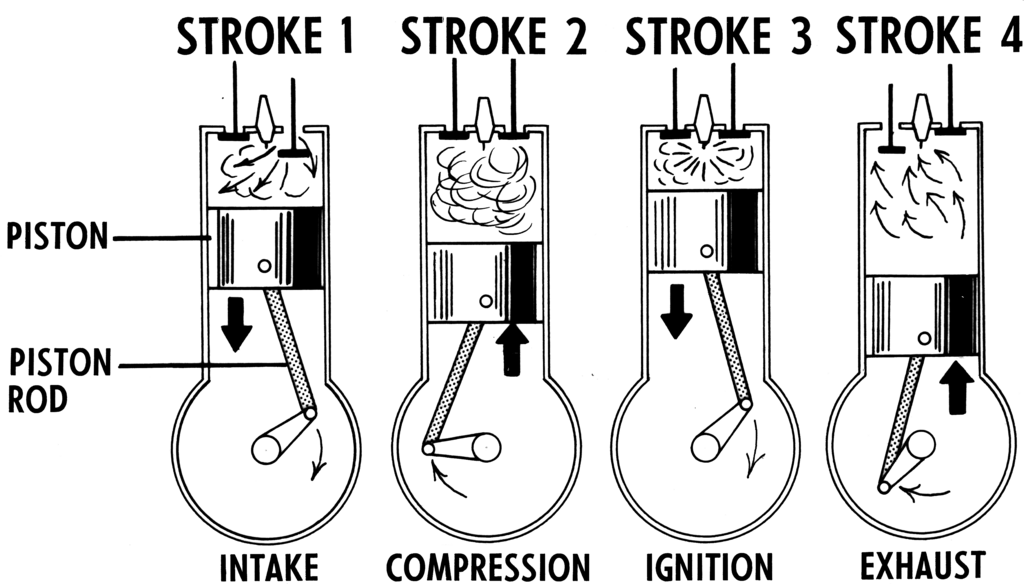
The impact of mechanical engineering is all around us. The smartphone in your pocket required mechanical engineers to design its physical case and manage the heat generated by its processor. The electricity powering your home was likely generated with the help of massive turbines designed and maintained by mechanical engineers.
From renewable energy systems like wind turbines to advanced medical devices like prosthetic limbs and surgical robots, mechanical engineering is central to solving some of today's biggest challenges.
It is a field of constant creation and improvement. As technology advances, the role of the mechanical engineer evolves, incorporating new tools like computer-aided design (CAD), 3D printing, and artificial intelligence to design and build the future. It’s a discipline that combines creativity with the laws of physics to bring ideas to life.
Now that you have an overview of the field, let's test your knowledge.
Which statement best describes the primary focus of mechanical engineering?
Mechanical engineering emerged as a formal discipline distinct from civil engineering during the Industrial Revolution.