Introduction to Massage Therapy
Introduction to Massage Therapy
What is Massage Therapy?
At its core, massage therapy is the practice of using touch to manipulate the body's soft tissues—muscles, connective tissue, tendons, ligaments, and skin. A trained therapist applies varying degrees of pressure and movement to achieve a specific goal.
Massage
noun
The practice of rubbing and kneading the body using the hands. During a massage, a therapist applies gentle or strong pressure to the muscles and joints of the body to ease pain and tension.
The purpose extends far beyond simple relaxation. It's a therapeutic tool aimed at relieving pain, reducing muscle tension, improving circulation, and enhancing overall well-being. By working with the body's tissues, massage can help calm the nervous system and support the body’s own healing abilities. It's a dialogue between the therapist's hands and the client's body, guided by skill and intuition.
Guiding Principles
Effective massage therapy is built on a few fundamental principles. The first is intention. A therapist’s work is purposeful, guided by an understanding of anatomy and a clear goal for the session, whether it's easing a stiff neck or promoting mental calm.
Another key principle is creating a safe and comfortable environment. Trust is essential. The client needs to feel secure enough to relax and let go of tension. This involves clear communication before and during the session, ensuring the pressure is appropriate and the client is always comfortable.
Finally, massage often approaches the body holistically. A sore shoulder might be connected to tension in the back or even stress from daily life. Therapists look at the bigger picture, recognizing that the body is an interconnected system.
The Practitioner uses gentle techniques to hold you in a comfortable position that may allow your body to change the stress and pain patterns that are causing discomfort, thereby alleviating pain, increasing flexibility, improving circulation, and relaxing the entire body.
A Journey Through Time
The practice of using touch as a healing method is as old as civilization itself. Ancient cultures across the globe recognized its benefits and developed their own unique traditions.
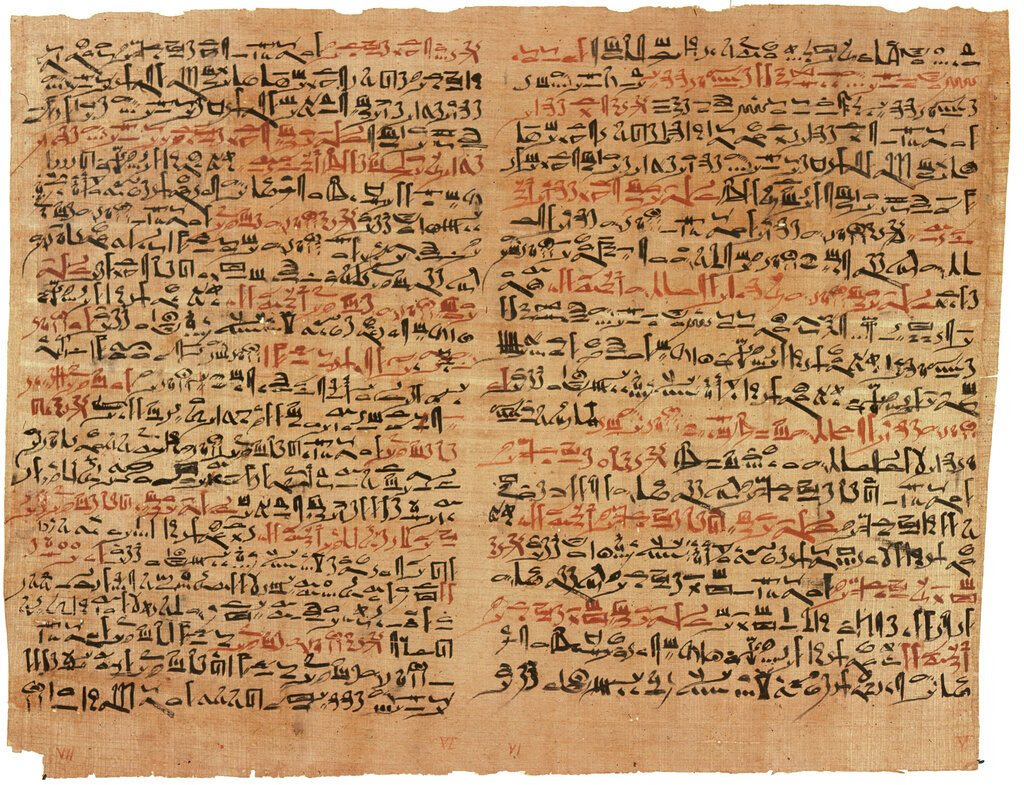
In ancient Egypt, tomb paintings depict people receiving massages. In China, massage was documented thousands of years ago as a key part of traditional medicine, alongside acupuncture and herbal remedies. Similarly, in India, Ayurvedic medicine has long included massage as a vital practice for maintaining health and balance.
The ancient Greeks and Romans also championed massage for health and athletic performance. Hippocrates, the "Father of Medicine," wrote about the importance of rubbing to treat injuries and illnesses.
During the 19th century, a Swede named Per Henrik Ling developed the system that became known as Swedish massage, which helped formalize the practice in the Western world. His methods, focused on anatomy and physiology, laid the groundwork for modern massage therapy as a respected health practice.
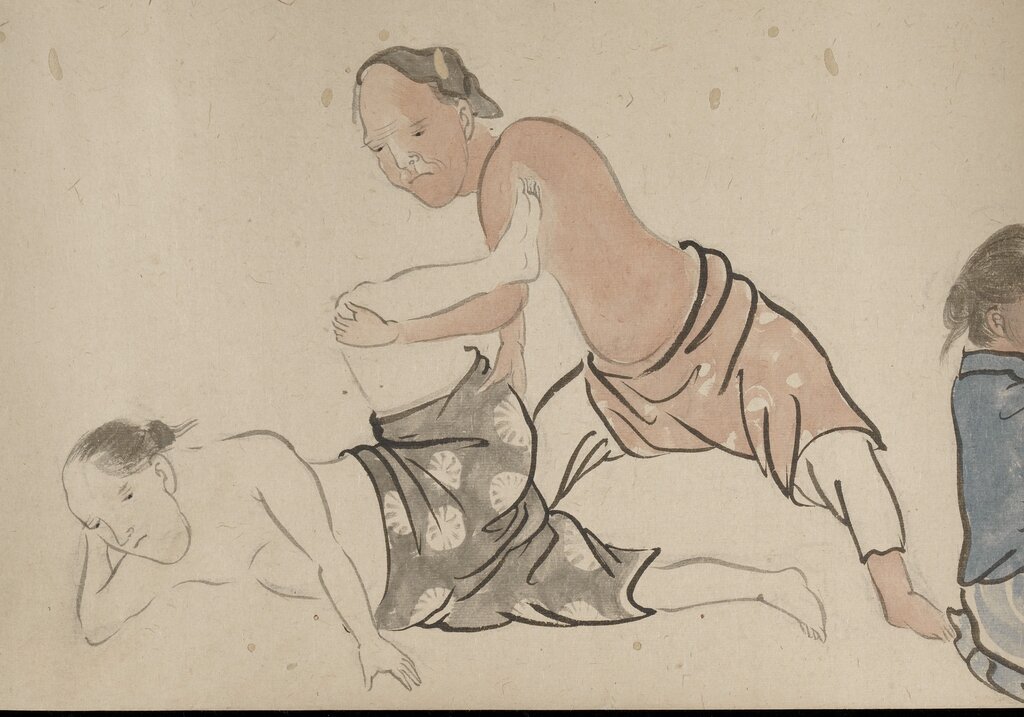
Today, massage therapy integrates these rich historical traditions with modern scientific understanding, making it a versatile and widely accepted form of care.
Ready to check your understanding? This quiz will cover the basics of what massage therapy is, its core principles, and its history.
What is the primary focus of massage therapy?
The idea that a sore shoulder might be connected to tension in the back or to daily stress reflects which core principle of massage?
This foundation gives us a starting point for exploring the many specific ways massage can be applied to improve health and well-being.