Introduction to Marine Biology
Introduction to Marine Biology
What is Marine Biology?
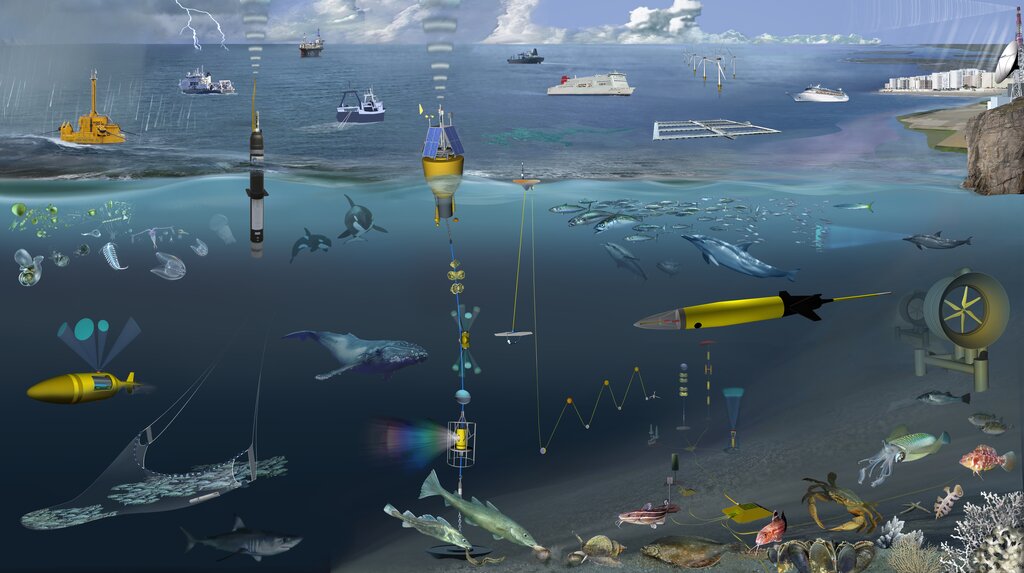
Marine biology is the study of life in the ocean. This field explores the incredible variety of organisms that live in saltwater environments, from the smallest single-celled bacteria to the largest animal on Earth, the blue whale. It’s a huge and fascinating subject, especially when you consider that oceans cover more than 70% of our planet's surface.
Scientists in this field investigate how marine organisms interact with each other and their environment. They might study the genetics of a fish population, the chemical communication of crabs, or the long-distance migrations of sea turtles. The scope is as vast as the ocean itself, connecting biology with chemistry, physics, geology, and oceanography.
The Ocean's Vital Role
The ocean isn't just a home for marine life; it's essential for all life on Earth, including ours. One of its most critical functions is producing oxygen. Tiny marine organisms called phytoplankton, which float near the surface, use photosynthesis to convert sunlight into energy. A byproduct of this process is oxygen, and it's estimated that marine phytoplankton produce more than half of the oxygen in our atmosphere.
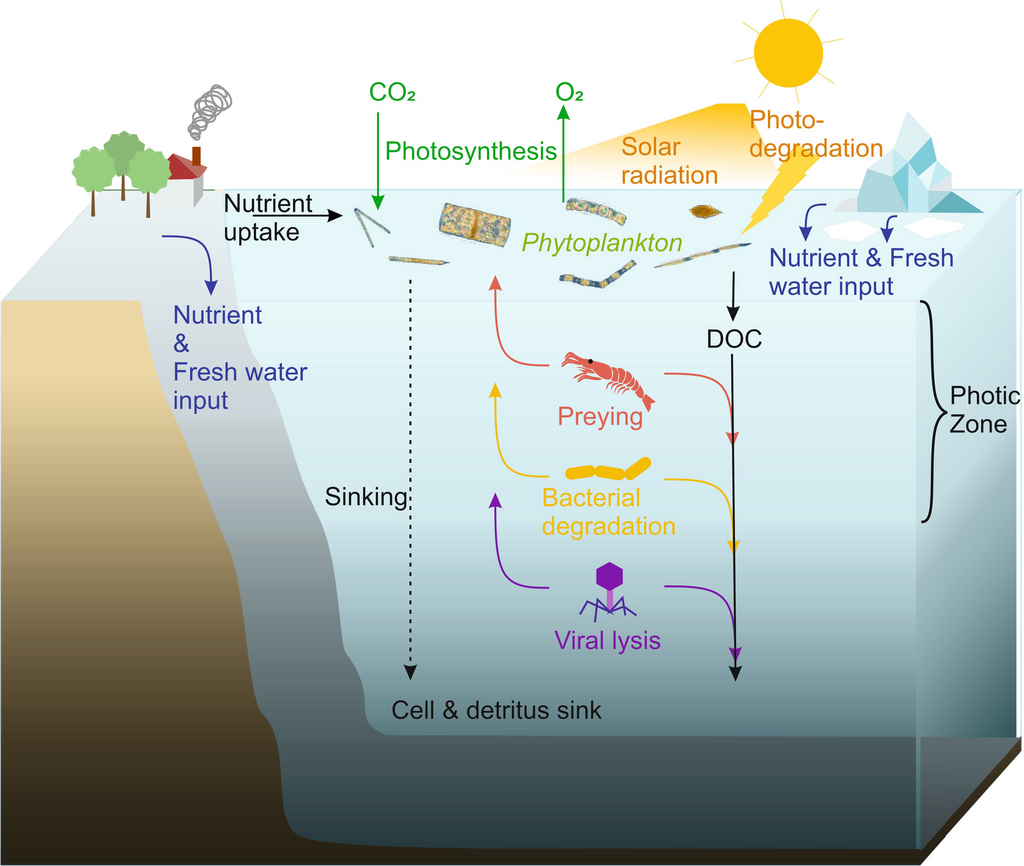
Oceans also play a huge role in regulating Earth's climate. They absorb vast amounts of solar heat and carbon dioxide from the atmosphere, distributing that heat around the globe through currents. Without the ocean's ability to soak up CO₂, our planet would be much warmer. Furthermore, oceans are a vital source of food, transportation, and economic resources for people worldwide.
A World of Habitats
Marine life isn't spread evenly throughout the ocean. Instead, it's concentrated in different habitats, each with its own unique set of conditions and inhabitants. These environments range from the sun-drenched shallows to the crushing darkness of the deep sea.
From vibrant coral reefs to mysterious deep-sea vents, the ocean hosts an incredible diversity of ecosystems.
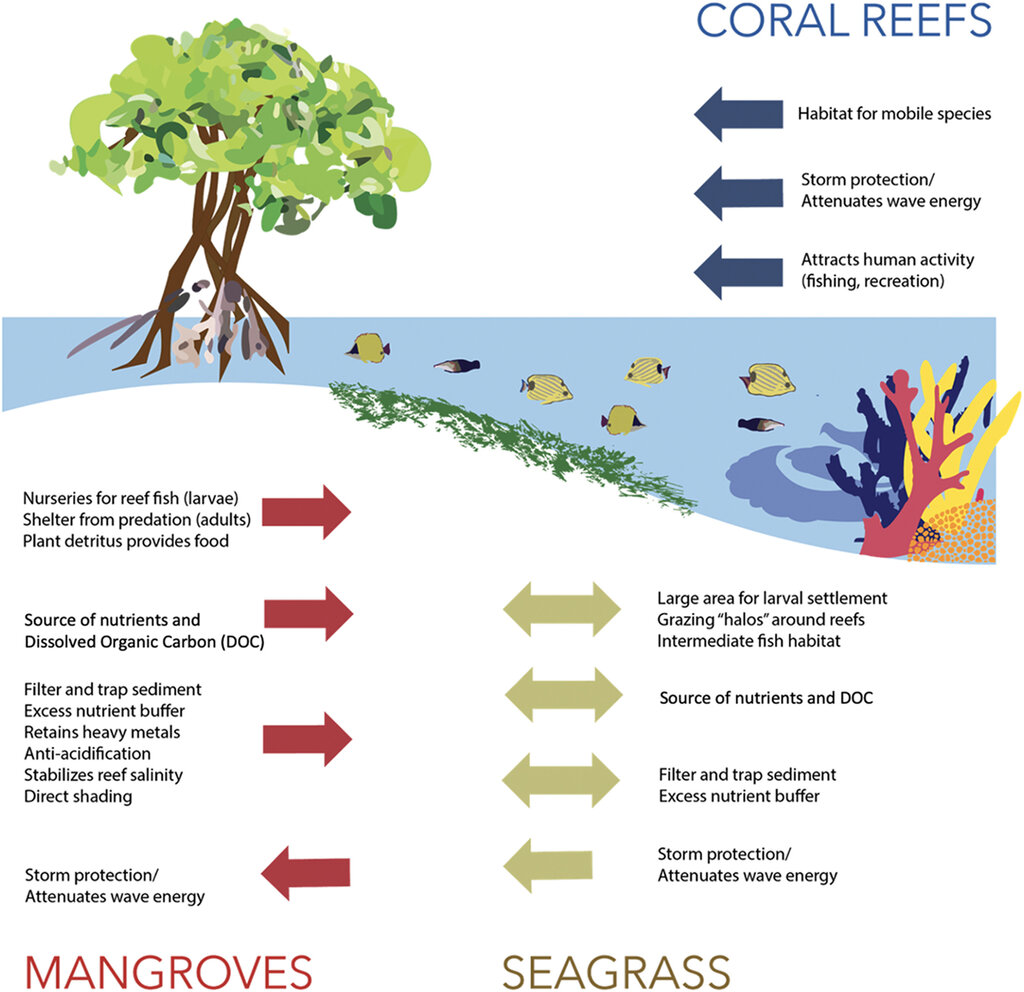
Coastal habitats, like mangrove forests, salt marshes, and seagrass beds, are bustling with life. These areas act as nurseries for many fish species and protect coastlines from erosion. Coral reefs, often called the "rainforests of the sea," support an astonishing number of species in a relatively small area.
The open ocean, or pelagic zone, is the vast expanse of water away from the coast. Its upper sunlit layer is home to plankton, large schools of fish, and marine mammals. Below this lies the deep sea, a world of perpetual darkness, high pressure, and cold temperatures. Organisms here have evolved incredible adaptations to survive, such as the ability to produce their own light.
The seafloor itself, known as the benthic zone, provides another set of habitats. It includes everything from the shallow continental shelf to the deep abyssal plains and hydrothermal vents, where life thrives on chemicals instead of sunlight. Each of these zones contributes to the rich tapestry of life that marine biologists seek to understand.
What is the primary focus of marine biology?
Tiny marine organisms called phytoplankton are responsible for producing more than half of the oxygen in our atmosphere.