Introduction to Marathi
Marathi Script
Meet the Balbodh Script
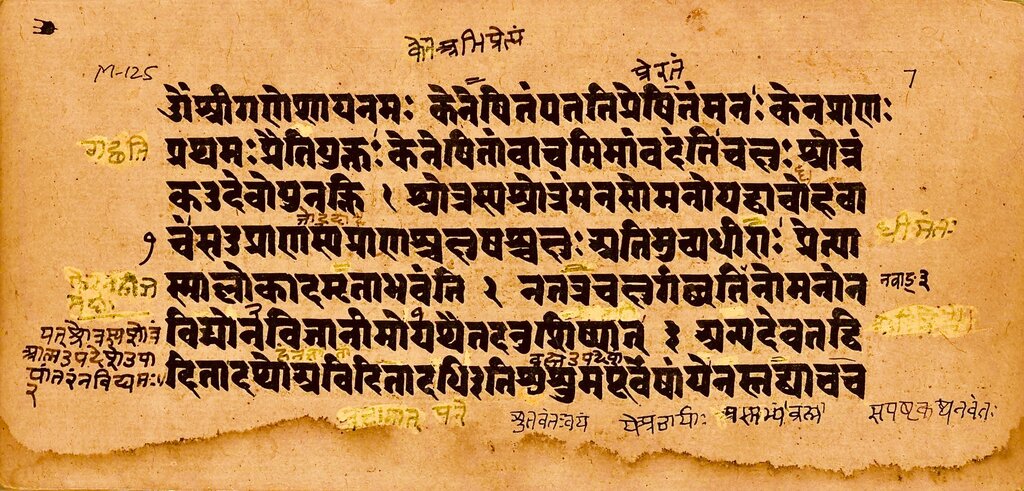
Marathi is written in a script called Devanagari, which is used for many languages in India, including Hindi and Sanskrit. The version of Devanagari used for Marathi is specifically known as Balbodh (बाळबोध).
Devanagari is an abugida. This means each consonant character has an inherent vowel sound, typically the 'a' sound of the vowel अ. To make other vowel sounds, we add marks to the consonants. Think of it as a base character that you can modify. A key feature you'll notice is the horizontal line that runs along the top of the letters, called a shirorekha (शिरोरेखा). Most letters hang from this line.
The Vowels (Svar)
Vowels, or svar (स्वर), are the sounds you can make without any friction in your mouth. In Marathi, there are 14 vowels. They can appear as independent letters, usually at the beginning of a word, or as marks attached to consonants.
| Letter | Transliteration | Pronunciation (similar to...) |
|---|---|---|
| अ | a | the 'u' in cut |
| आ | ā | the 'a' in father |
| इ | i | the 'i' in pin |
| ई | ī | the 'ee' in feet |
| उ | u | the 'u' in put |
| ऊ | ū | the 'oo' in root |
| ऋ | ṛ | a vocalic 'r', like the start of rural |
| ए | e | the 'e' in bed |
| ऐ | ai | the 'ai' in aisle |
| ओ | o | the 'o' in go |
| औ | au | the 'ou' in house |
| अं | aṃ | the 'ung' in sung (a nasal sound) |
| अः | aḥ | a breathy 'ah' sound |
| ॲ | ê / æ | the 'a' in cat (used for English words) |
| ऑ | ô / ɔ | the 'o' in cot (used for English words) |
The Consonants (Vyanjan)
Consonants, or vyanjan (व्यंजन), are the core of the script. They are organized phonetically based on where in the mouth the sound is made, starting from the back of the throat and moving forward to the lips.
Each consonant has a built-in 'अ' (a) sound. For example, the character क is pronounced 'ka'. To remove this vowel sound, a small diagonal stroke called a halant ( ् ) is added underneath, like this: क् ('k').
Marathi has 33 standard consonants, plus two special characters. Let's look at them.
| Group | Letter | Transliteration | Approx. Pronunciation |
|---|---|---|---|
| Velar | क | ka | cat |
| (back of throat) | ख | kha | blockhead (aspirated 'k') |
| ग | ga | go | |
| घ | gha | doghouse (aspirated 'g') | |
| ङ | ṅa | sing | |
| Palatal | च | ca | chat |
| (roof of mouth) | छ | cha | churchhill (aspirated 'ch') |
| ज | ja | jug | |
| झ | jha | hedgehog (aspirated 'j') | |
| ञ | ña | canyon | |
| Retroflex | ट | ṭa | top (tongue curled back) |
| (tongue curled) | ठ | ṭha | anthill (aspirated 't') |
| ड | ḍa | dog (tongue curled back) | |
| ढ | ḍha | redhead (aspirated 'd') | |
| ण | ṇa | none (tongue curled back) | |
| Dental | त | ta | thin (but unaspirated) |
| (tongue on teeth) | थ | tha | thump (aspirated) |
| द | da | that | |
| ध | dha | adhere (aspirated) | |
| न | na | no | |
| Labial | प | pa | pin |
| (lips) | फ | pha | uphill (aspirated) |
| ब | ba | bat | |
| भ | bha | abhor (aspirated) | |
| म | ma | man | |
| Semivowels | य | ya | yes |
| र | ra | run (often rolled) | |
| ल | la | let | |
| व | va | van | |
| Sibilants | श | śa | shoe |
| ष | ṣa | shun (tongue curled back) | |
| स | sa | sun | |
| Glottal | ह | ha | hat |
Marathi also has a unique consonant not found in Hindi:
ळ (ḷa): This is a retroflex lateral flap. To make this sound, curl your tongue back as if to say 'ḍa', but then flap it forward. It sounds similar to the 'l' in the American English pronunciation of "ball".
With these characters, you have the complete toolkit for reading and writing basic Marathi. The next step is learning how to combine them, which we'll explore later. For now, focus on recognizing each letter and its unique sound.
What is the specific name for the variant of the Devanagari script used to write Marathi?
The Devanagari script is an 'abugida'. What does this system entail?
Great work! Getting familiar with a new script is the biggest first step in learning a language. Keep practicing, and these shapes will soon become as familiar as your native alphabet.