Introduction to Macroeconomics
Introduction to Macroeconomics
The Big Picture
Imagine trying to understand a forest. You could study a single tree, examining its leaves, bark, and roots in detail. Or, you could step back and look at the entire forest: its overall health, its size, and how it's affected by the climate. Economics has a similar division.
Macroeconomics is the study of the whole forest. It looks at the economy as a complete system, focusing on the big-picture issues that affect everyone. Instead of zeroing in on one company's sales or one person's job, macroeconomics asks broad questions: Is the national economy growing or shrinking? Are prices across the country rising too quickly? Is it easy or hard for people to find jobs?
Macroeconomics examines economy-wide phenomena such as changes in unemployment, national income, rate of growth, gross domestic product, inflation, and price levels.
Forest vs. Trees
The study of individual trees—the specific choices of people and businesses—is called microeconomics. It deals with questions like, "Why did the price of coffee go up?" or "How many cars should a factory produce?"
Macroeconomics and microeconomics are two sides of the same coin, but they focus on different scales. What's true for a part of the economy isn't always true for the whole. For example, if you get a big raise, you're better off. But if everyone gets a big raise at the same time, it could lead to widespread price increases, which might not make anyone better off.
| Microeconomics | Macroeconomics | |
|---|---|---|
| Focus | Individual economic agents (households, firms) | The economy as a whole |
| Questions | How are prices determined? What influences a person's buying decisions? | What causes inflation? What determines a country's economic growth? |
| Variables | Price of a specific good, a company's profit | Gross Domestic Product (GDP), unemployment rate |
| Goal | Analyze individual markets | Analyze the entire economy |
Understanding the distinction is key. Microeconomics gives us tools to understand individual behavior, while macroeconomics helps us grasp the forces shaping our collective economic reality.
Checking the Economy's Pulse
How do we know if an economy is healthy? Just like a doctor checks a patient's vital signs, economists use key indicators to measure economic performance. These numbers tell a story about where the economy has been and where it might be going. Three of the most important indicators are Gross Domestic Product (GDP), the inflation rate, and the unemployment rate.
Gross Domestic Product
noun
The total monetary or market value of all the finished goods and services produced within a country's borders in a specific time period.
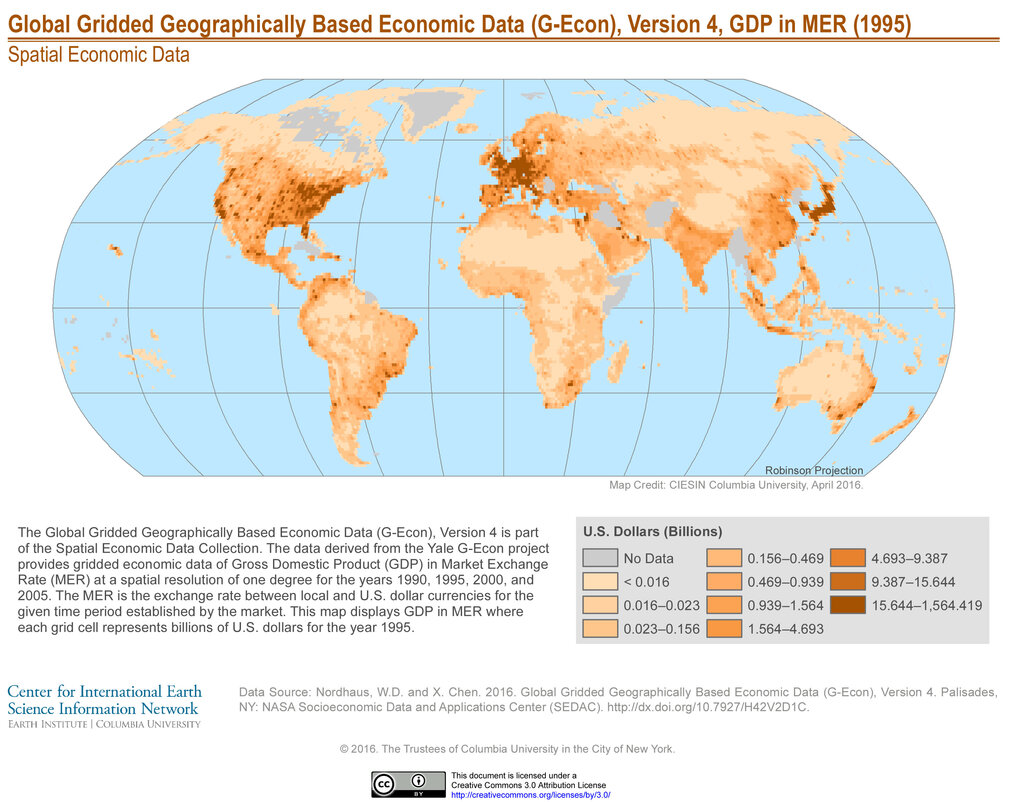
Think of GDP as the economy's total output. It’s the most common measure of a country's economic size. A rising GDP generally means more jobs and higher incomes.
Inflation
noun
The rate at which the general level of prices for goods and services is rising, and consequently, the purchasing power of currency is falling.
Inflation is essentially a measure of how quickly prices are going up. A little inflation is often considered normal, but when it's too high, it erodes the value of savings and makes it hard for families to afford everyday items. It's the reason $100 buys you less today than it did twenty years ago.
Unemployment
noun
A situation where a person who is actively searching for employment is unable to find work.
The unemployment rate tells us what percentage of the workforce is jobless but looking for a job. A high unemployment rate signals economic distress, as it means many people are struggling to find work and the economy isn't producing enough jobs.
Why It Matters
So why study these big, complex forces? Because they affect us all. The health of the macroeconomy influences job opportunities, wages, the cost of living, and the interest rates we pay on loans for cars and homes.
Furthermore, governments and central banks use macroeconomic analysis to make crucial decisions. When the economy is slow, should the government spend more to create jobs? When prices are rising too fast, should the central bank raise interest rates to cool things down? These are macroeconomic policy questions. By monitoring indicators like GDP, inflation, and unemployment, policymakers can try to steer the economy toward stability and growth.
Macroeconomic Policy: How do we deal with the three major macroeconomic problems (inflation, unemployment, and growth)?
Understanding the basics of macroeconomics helps you make sense of the news, understand the economic world around you, and see how policy decisions can have a real impact on your life.
Ready to test your knowledge of the big picture?
Which of the following questions is a macroeconomist most likely to study?
In the analogy presented, studying an individual tree is to microeconomics as studying the entire forest is to ____________.
By looking at the whole economy, we can begin to understand the powerful forces that shape our world, from the jobs we hold to the prices we pay.