Introduction to Macro Finance
Introduction to Macroeconomics
The Big Picture
Economics is often split into two main branches. One branch, microeconomics, looks at individual trees—how a single person decides to spend their money or how one company sets its prices. The other branch, macroeconomics, looks at the entire forest. It’s the study of the economy as a whole.
Macroeconomists study aggregated indicators such as GDP, unemployment rates and price indices to understand how the whole economy functions.
Instead of focusing on one person or business, macroeconomics tackles the big questions. Why do some countries grow richer while others stay poor? What causes the cost of living to rise? Why are millions of people sometimes out of work? To answer these questions, we need ways to measure the health of an entire economy. Three of the most important vital signs are Gross Domestic Product (GDP), inflation, and unemployment.
Measuring a Nation's Output
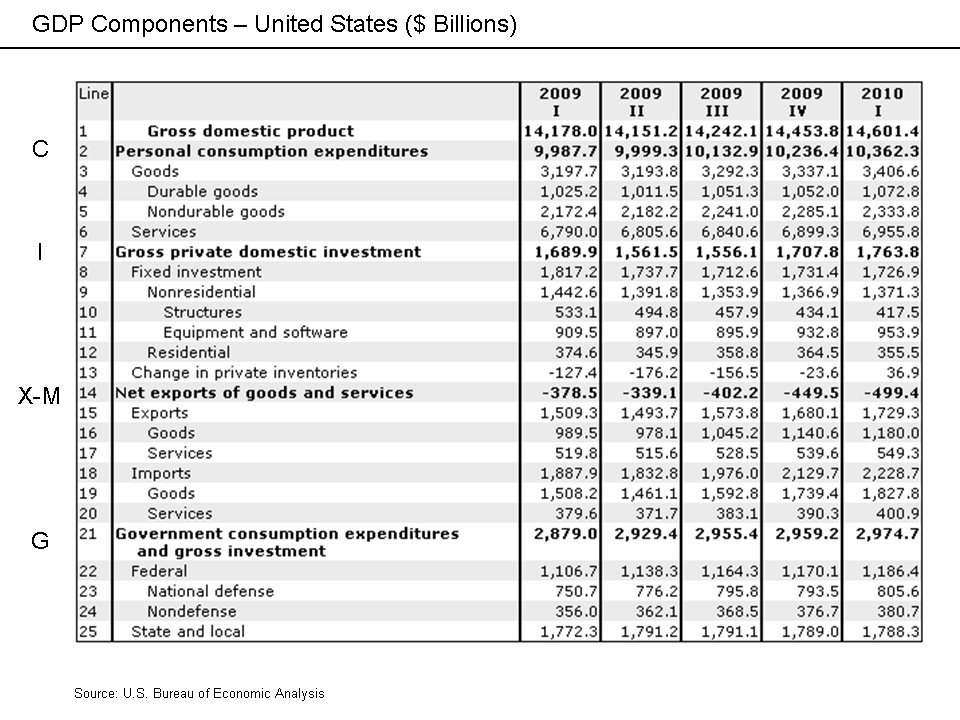
The most common way to measure an economy's size is by looking at its Gross Domestic Product, or GDP. Think of it as a country's annual economic report card. It represents the total market value of all final goods and services produced within a country's borders in a specific period, usually a year or a quarter.
A final good is an item ready for sale, like a car, rather than the parts used to make it, like tires or a steering wheel. This avoids double-counting.
To calculate GDP, economists often use the expenditure approach, which adds up all the money spent on these final goods and services.
Watching GDP tells us if an economy is growing or shrinking. A rising GDP suggests a healthy, expanding economy with more jobs and higher incomes. A falling GDP signals a recession, where the economy is contracting.
Prices and Purchasing Power
Another key health indicator is inflation. It's the rate at which the general level of prices for goods and services rises, which means your money buys less than it used to. A little bit of inflation is usually seen as normal, but high inflation can erode savings and create economic uncertainty.
Inflation
noun
The rate of increase in prices over a given period of time, leading to a fall in the purchasing value of money.
To measure inflation, governments track the price of a standard group of items, often called a "basket of goods and services." This basket includes everything from milk and bread to gasoline and rent. The change in the total price of this basket over time is used to calculate the Consumer Price Index (CPI), the most common measure of inflation.
The Labour Force
Unemployment is the third critical measure of an economy's health. The unemployment rate represents the percentage of the total labour force that is jobless but actively seeking employment and willing to work.
Not all unemployment is the same. Economists identify a few different types:
| Type | Description | Example |
|---|---|---|
| Frictional | Temporary unemployment as people move between jobs. | A recent graduate looking for their first job. |
| Structural | A mismatch between the skills workers have and the skills employers need. | A factory worker whose job is replaced by a robot. |
| Cyclical | Unemployment that rises during economic downturns (recessions). | A construction worker laid off during a housing market crash. |
High unemployment signals that an economy is not using its resources efficiently. It means lost income for individuals and lost output for the country as a whole.
Steering the Economy
When these key indicators—GDP, inflation, unemployment—are not where they should be, governments and central banks can intervene using two main toolkits: fiscal policy and monetary policy.
Fiscal policy is managed by the government. It involves changing government spending and taxation levels.
- To fight a recession, the government might use expansionary fiscal policy: increasing spending (e.g., on infrastructure projects) or cutting taxes. The goal is to put more money into the hands of consumers and businesses to encourage spending and boost economic growth.
- To fight high inflation, the government might use contractionary fiscal policy: cutting spending or raising taxes to reduce overall demand and cool down the economy.
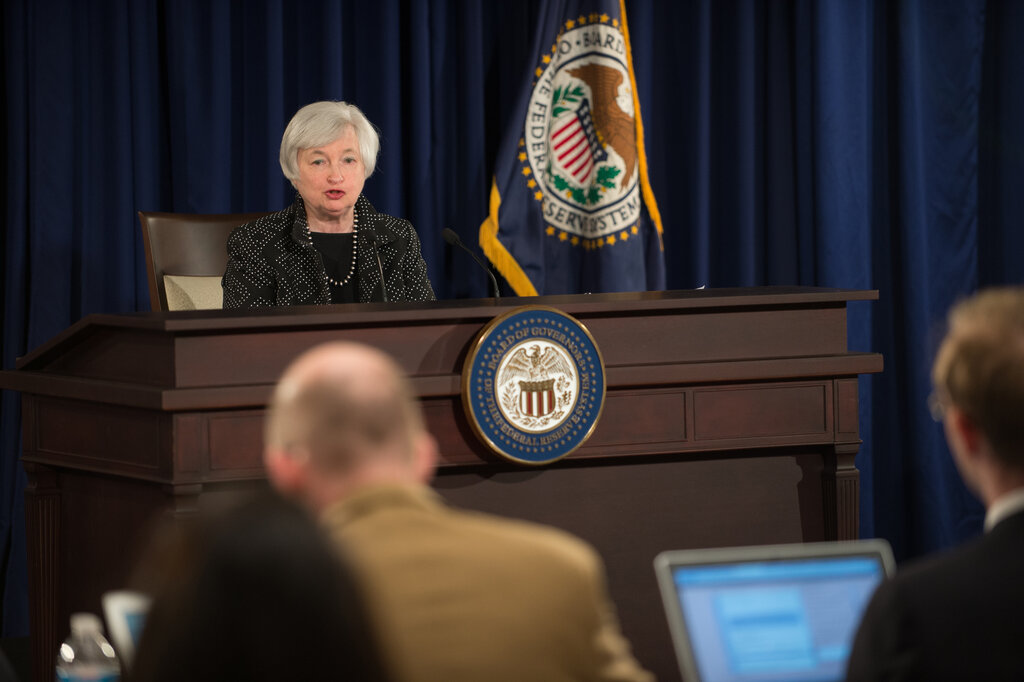
Monetary policy is controlled by a country's central bank, like the Bank of Canada or the U.S. Federal Reserve. It involves managing the supply of money and credit to influence interest rates.
- To fight a recession, the central bank might use expansionary monetary policy: lowering interest rates to make it cheaper for businesses and individuals to borrow money, which encourages spending and investment.
- To fight high inflation, the central bank might use contractionary monetary policy: raising interest rates to make borrowing more expensive, which discourages spending and helps bring prices under control.
Together, these policies are the primary tools used to manage the business cycle—the natural ups and downs of economic activity—and aim for stable prices, low unemployment, and steady economic growth.
Let's check your understanding of these core macroeconomic ideas.
Which of the following best describes the primary focus of macroeconomics?
If a country's government decides to cut taxes and increase spending on infrastructure projects to boost economic activity, what type of policy is it implementing?
These foundational concepts are the building blocks for understanding how economies operate on a grand scale. They help explain the headlines we see every day and the economic forces that shape our world.