Introduction to Machining
Introduction to Machining
What Is Machining?
At its heart, machining is a process of subtraction. Think of a sculptor carefully chipping away at a block of marble to reveal a statue. Machining does something similar, but with materials like metal, plastic, or wood, and using specialized machines instead of a hammer and chisel.
Machining is any process where a cutting tool removes material from a piece of raw material, called the workpiece, to create a finished part with a specific shape and size.
This process is fundamental to modern manufacturing. Nearly every product you use contains machined parts. The metal frame of your smartphone, the engine components in a car, the tiny screws in your glasses—all are products of machining. It's how we create precise, reliable components that fit together perfectly.
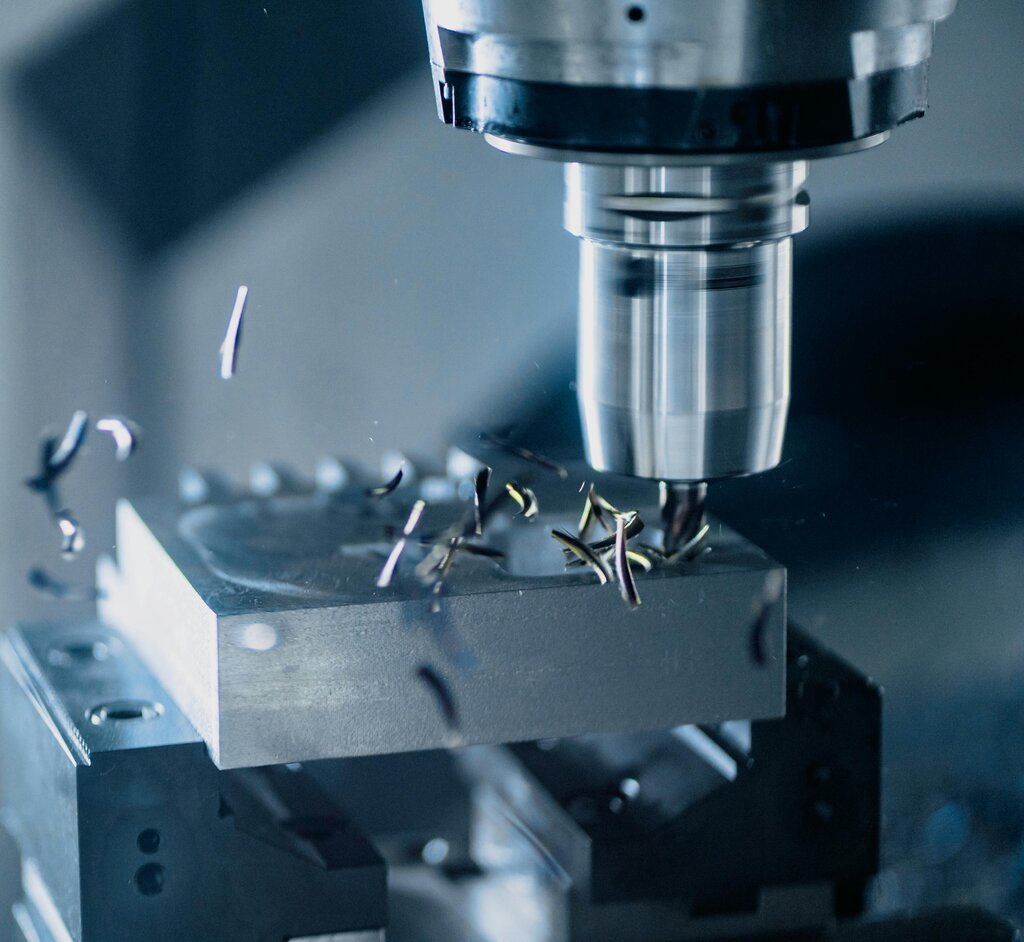
The Basic Process
Every machining operation, no matter how complex, boils down to three key elements: the workpiece, the cutting tool, and the machine tool that controls their interaction.
- Workpiece: The stock material being shaped.
- Cutting Tool: A sharp, hard tool that cuts away material.
- Machine Tool: The machine that holds the workpiece and tool, and provides the power and controlled motion to perform the cut.
The cutting action generates small pieces of leftover material called chips, or swarf. A key goal in machining is to create the part to the right specifications while efficiently clearing these chips away.
A Tour of Machine Tools
While there are many specialized machines, most operations can be understood through four basic types.
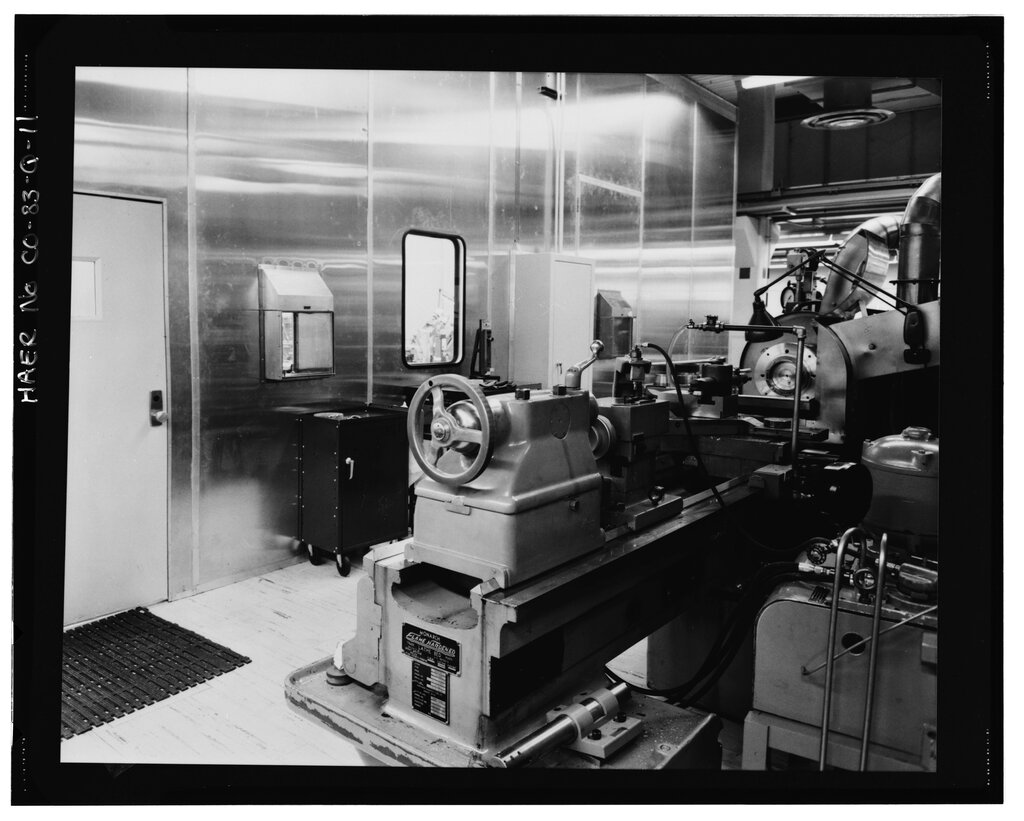
Lathe
noun
A machine tool that rotates a workpiece about an axis of rotation to perform various operations such as cutting, sanding, knurling, drilling, or turning.
On a lathe, the workpiece spins while a stationary cutting tool is fed into it. This makes lathes ideal for creating cylindrical parts or features, like shafts, pins, and rings.
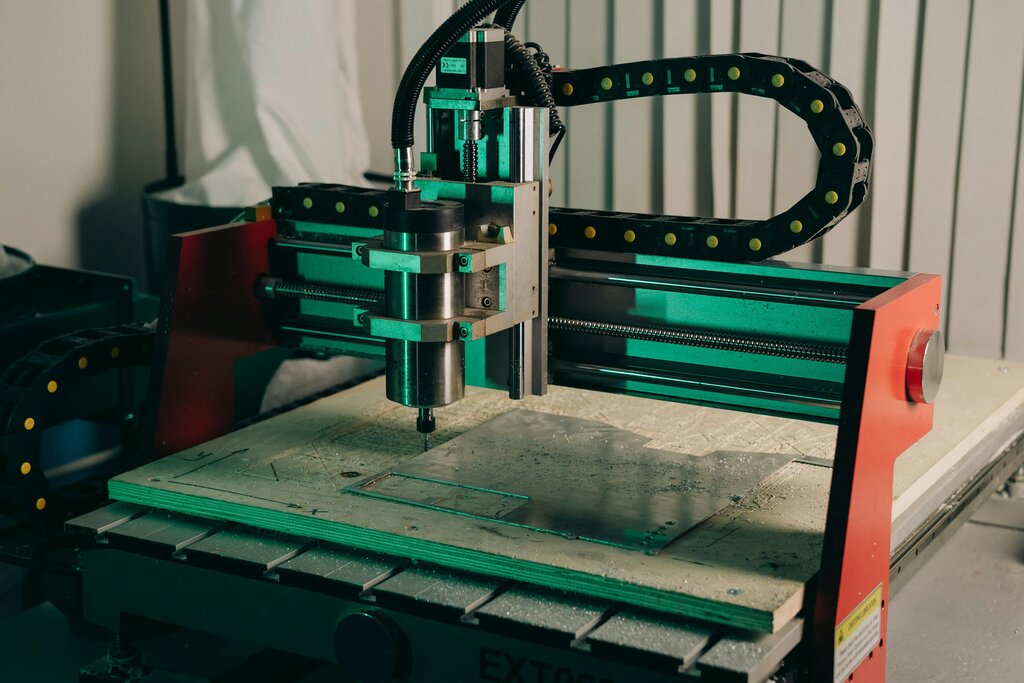
Milling Machine
noun
A machine tool that removes material from a workpiece by feeding it into a rotating cutting tool.
Milling is the opposite of turning. Here, the cutting tool spins, and the workpiece is fed into it. Milling machines are versatile and can create a wide variety of features, from flat surfaces and slots to complex three-dimensional contours.
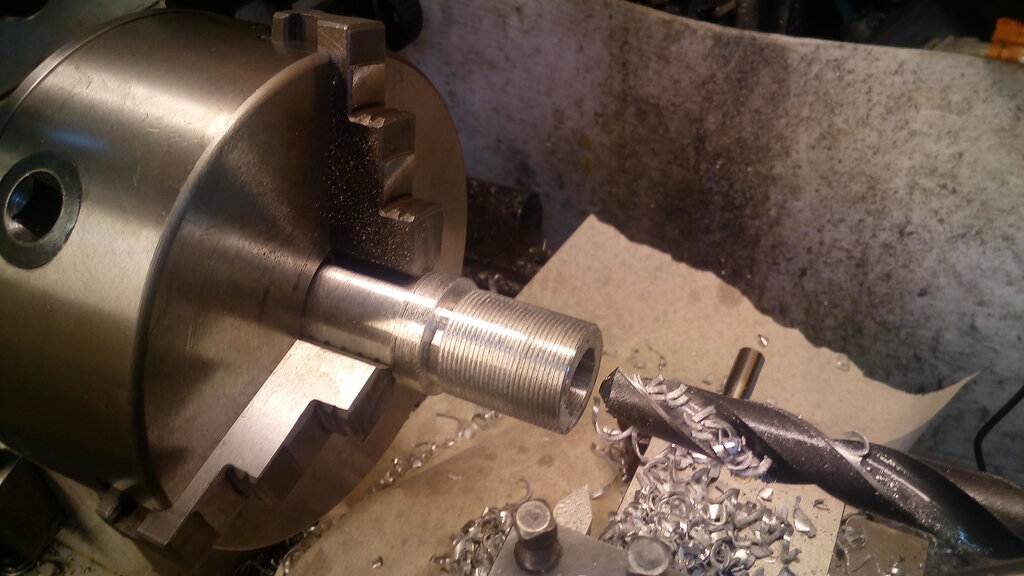
Drill Press
noun
A machine tool used for drilling precise holes in a workpiece. It consists of a base, column, table, spindle, and drill head, driven by an electric motor.
The drill press is specialized for one main task: making holes. It provides more power and accuracy than a handheld drill. A spinning drill bit is fed straight down into a stationary workpiece to create a clean, precise hole.
Grinder
noun
A machine tool that uses an abrasive wheel as the cutting tool to remove material and produce very fine finishes or light cuts.
Grinding is used when extreme precision and a super smooth surface finish are required. Instead of a sharp tool, a grinder uses a spinning abrasive wheel, like a very precise piece of sandpaper, to remove tiny amounts of material.
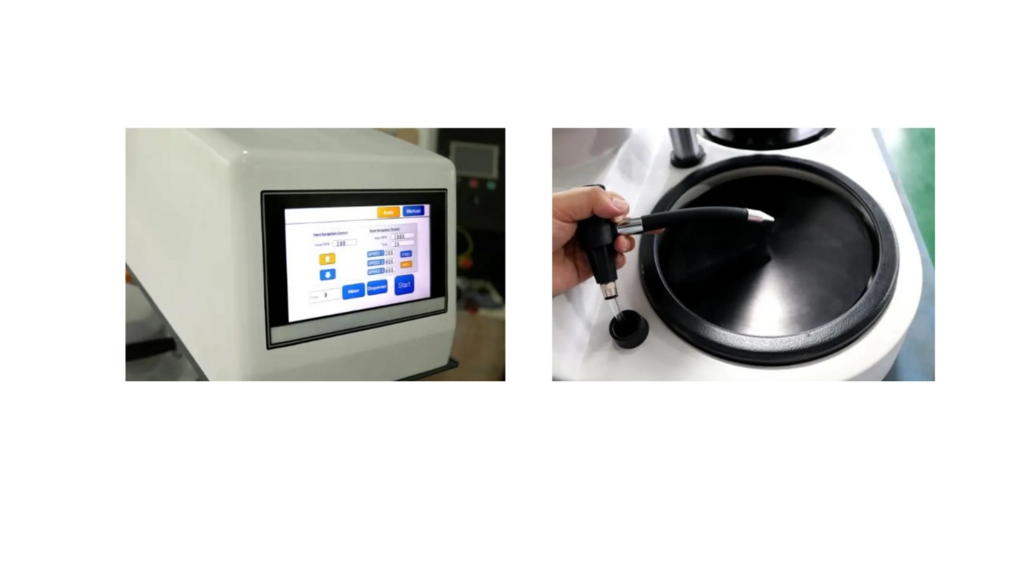
Anatomy of a Machine Tool
Despite their different functions, most machine tools share a common set of basic components that allow them to hold and move the workpiece and cutting tool with precision.
- Bed or Frame: This is the heavy, rigid foundation of the machine that supports all other components and absorbs vibrations from the cutting process.
- Spindle: The part of the machine that rotates. On a lathe, the spindle holds the workpiece. On a milling machine or drill press, it holds the cutting tool.
- Workholding Device: A mechanism that securely holds the workpiece in place. Examples include a chuck on a lathe or a vise on a milling machine.
- Toolholder: A component that grips the cutting tool. This could be a tool post on a lathe or a collet in a milling machine's spindle.
- Drives and Controls: The system of motors, gears, and levers (or computer controls in modern CNC machines) that moves the tool and workpiece relative to each other.
Understanding these fundamental machines and their parts is the first step in appreciating how raw blocks of material are transformed into the precise components that build our world.
Machining is fundamentally what type of process?
Which machine is best suited for creating a precise, smooth, flat surface on a block of steel?