Introduction to Machine Learning
Introduction to Machine Learning
What is Machine Learning?
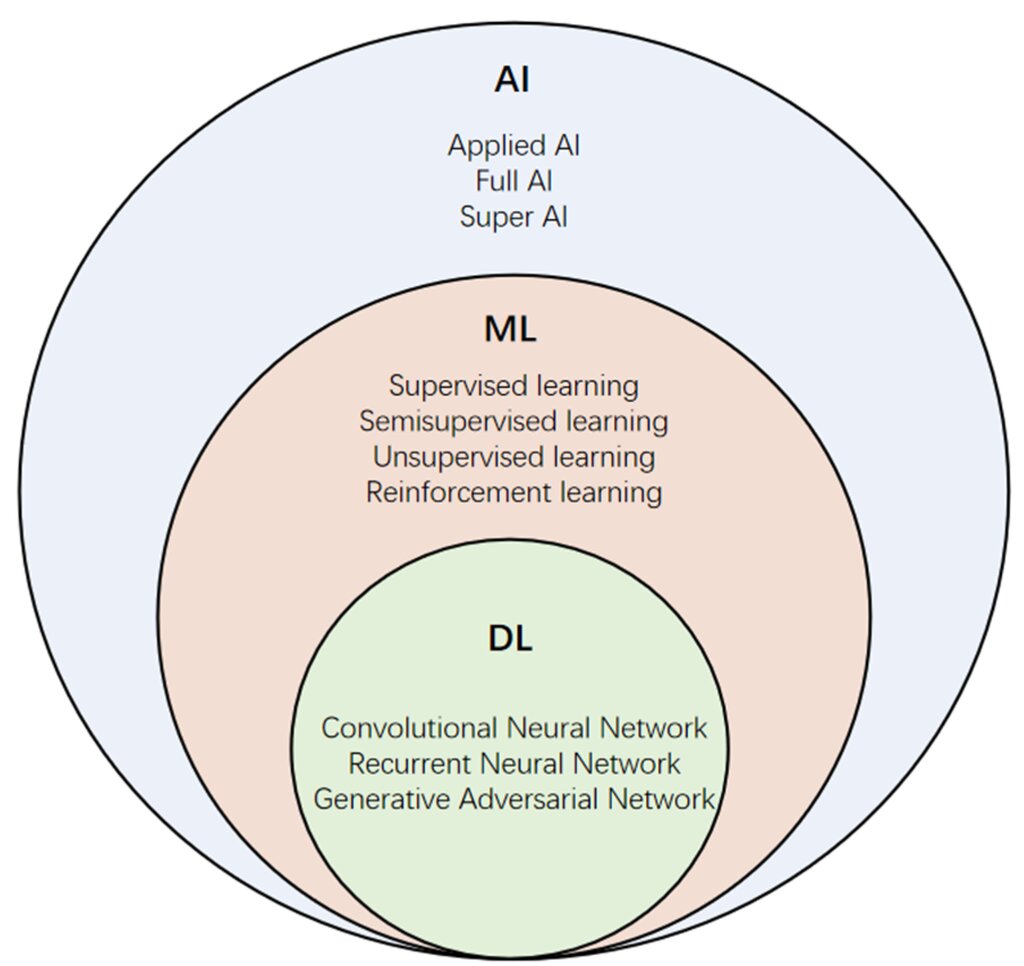
Machine learning is a way of teaching computers to find patterns. Instead of writing explicit instructions for every possible situation, we give the computer a lot of data and let it figure out the rules for itself. Think of it like this: instead of telling a computer exactly how to recognize a cat in a photo, you show it thousands of pictures of cats. Eventually, it learns what a cat looks like on its own.
This is a big shift from traditional programming, where a human has to write every line of code to handle every task. Machine learning allows computers to tackle problems that are too complex or change too often for humans to program directly. It's the engine behind many of the technologies we use every day, from spam filters to personalized movie recommendations.
How Machines Learn
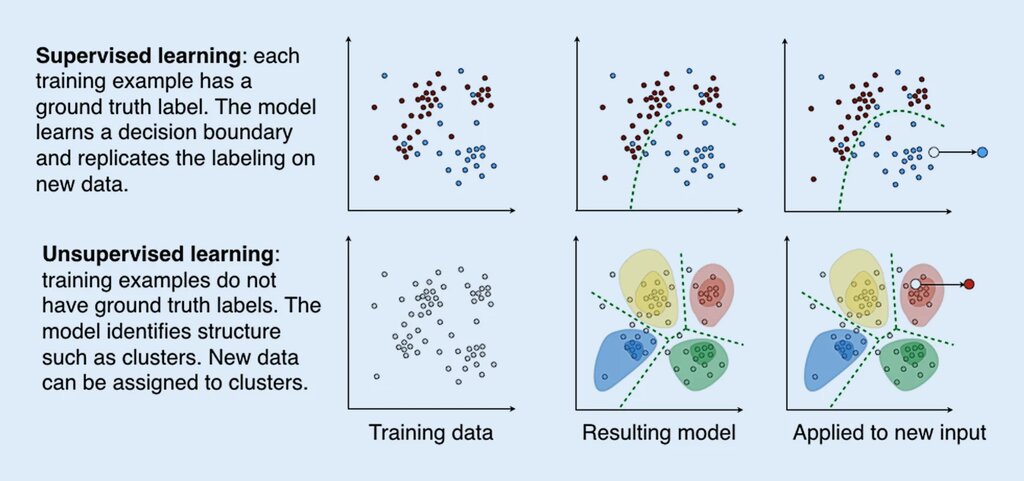
Just like people, machines can learn in a few different ways. The three most common methods are supervised, unsupervised, and reinforcement learning. The right method depends on the problem you're trying to solve and the kind of data you have.
Supervised learning is like studying with a teacher. The computer is given a set of questions (the data) along with the correct answers (the labels). Its goal is to learn the relationship between the questions and answers so it can correctly answer new questions it hasn't seen before.
A classic example is an email spam filter. It's trained on a massive dataset of emails that have already been labeled as either 'spam' or 'not spam'. The algorithm learns the features of spam emails (like certain keywords or sender addresses) and uses that knowledge to classify new, incoming emails.
Unsupervised learning is the opposite. The computer gets data without any labels or correct answers. Its job is to explore the data and find interesting structures or patterns all on its own. It’s like being given a box of mixed Lego bricks and asked to sort them into piles. You might group them by color, size, or shape without anyone telling you those were the categories.
Companies often use this to segment customers. An algorithm might analyze purchasing data and discover different groups of customers, like 'frequent bargain shoppers' and 'high-end weekend buyers', without being told to look for those specific groups.
Finally, there's reinforcement learning. This is about learning through trial and error. An 'agent' (the algorithm) learns to operate in an 'environment' by performing 'actions' and receiving 'rewards' or 'penalties'. It’s similar to training a pet. When the pet performs the correct trick, it gets a treat (a reward). Over time, it learns which actions lead to the best rewards.
This method is powerful for teaching machines to play games. An AI can learn to play chess by being rewarded for moves that lead to winning the game and penalized for moves that lead to losing. After playing millions of games against itself, it can become a master.
Machine Learning in Action
Machine learning isn't just a theoretical concept; it's already integrated into many parts of our lives. Here are a few examples:
| Application | How it Works | Type of Learning |
|---|---|---|
| Recommendation Engines | Analyzes your past behavior (e.g., movies watched, songs liked) to suggest new content you might enjoy. | Supervised & Unsupervised |
| Image Recognition | Identifies faces, objects, and places in photos and videos. This is what allows you to search your photo library for 'beach' or 'dog'. | Supervised |
| Medical Diagnosis | Trained on medical images (like X-rays or MRIs) to spot signs of diseases, sometimes more accurately than human experts. | Supervised |
| Language Translation | Learns the patterns and structure of languages to translate text or speech from one language to another in real-time. | Supervised |
| Self-Driving Cars | Uses a combination of learning types to perceive the environment, predict the behavior of other vehicles, and navigate safely. | Supervised & Reinforcement |
These applications are just the beginning. As we collect more data and develop better algorithms, machine learning will continue to find new ways to solve problems and change how we interact with technology.
What is the fundamental difference between machine learning and traditional programming?
An e-commerce company wants to group its customers into different segments based on their purchasing habits, but it doesn't have any pre-defined categories for these groups. Which type of machine learning would be most suitable for this task?
Machine learning is a powerful tool that allows computers to learn from experience, identify patterns, and make decisions with minimal human intervention. By understanding its basic forms, you can start to see its impact all around you.