Introduction to Machine Learning
Introduction to Machine Learning
What Is Machine Learning?
Machine learning lets computers learn from data and experience, much like humans do. Instead of being explicitly programmed for every single task, a machine learning system can identify patterns and make decisions on its own. This ability to learn without direct instructions is what makes it so powerful.
Think about how you learned to recognize a cat. No one gave you a strict set of rules, like "if it has pointy ears, whiskers, and a long tail, it's a cat." You just saw lots of examples of cats, and eventually, you learned to spot them. Machine learning works in a similar way, but with data.
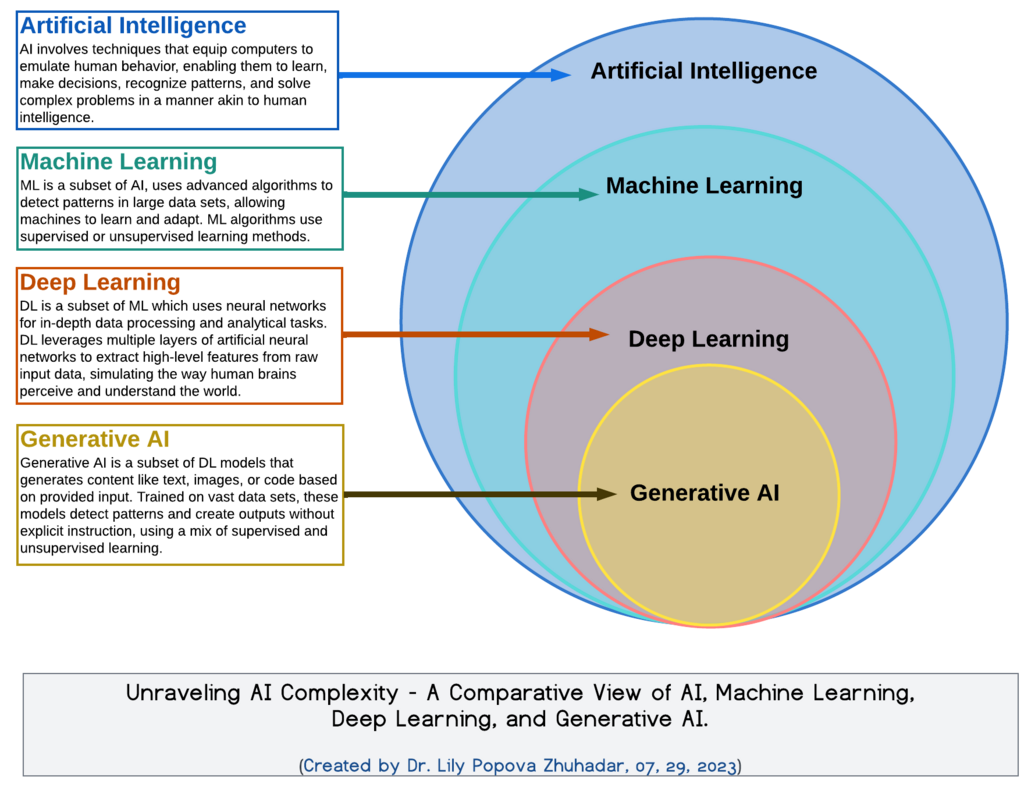
This shift from instruction-based logic to pattern-based learning is a fundamental change in how we solve problems with computers. It allows us to tackle complex issues where the rules aren't clear or are too numerous to write down, like understanding human speech or detecting fraudulent transactions.
A New Way to Program
In traditional programming, a developer writes explicit, step-by-step rules that tell the computer exactly what to do. You provide the program with data and the rules, and it produces an answer. For example, to build a program that calculates sales tax, you would write a rule like tax = price * 0.07.
Machine learning flips this around. You give the system a large set of data along with the correct answers. The machine's job is to figure out the rules for itself. For instance, you could give it thousands of pictures of cats (data) labeled "cat" (answers), and it would learn the visual patterns that define a cat (rules).
This approach is incredibly useful for problems that are intuitive to humans but hard to define with rigid logic.
The Main Flavors of Learning
Machine learning isn't a single technique; it's a broad field with several distinct approaches. The three main types are supervised, unsupervised, and reinforcement learning. Each is suited for different kinds of tasks and works with different types of data.
Supervised learning is like learning with a teacher. The model is trained on a dataset where the "right answers" are already known. The goal is to learn a mapping function that can predict the output for new, unseen data.
A classic example is a spam filter. It learns from thousands of emails that have been labeled as either "spam" or "not spam." After training, it can predict whether a new, incoming email is spam.
Unsupervised learning is more like learning on your own. The model is given a dataset without any explicit labels or correct answers and must find the hidden patterns or structure within the data itself.
For example, a streaming service might use unsupervised learning to group users with similar viewing habits. This allows them to create user segments for personalized recommendations, without ever being told what those groups should be.
Reinforcement learning is about learning through trial and error. An algorithm, or "agent," learns to make decisions by performing actions and receiving rewards or penalties. The goal is for the agent to learn the best strategy, or policy, to maximize its total reward over time.
This is the approach used to train AIs to play complex games like Chess or Go. The agent plays millions of games, learning which moves lead to wins (rewards) and which lead to losses (penalties).
The Machine Learning Workflow
A machine learning project isn't just about choosing an algorithm. It's a multi-step process that requires careful planning and execution. While the exact steps can vary, most projects follow a general lifecycle.
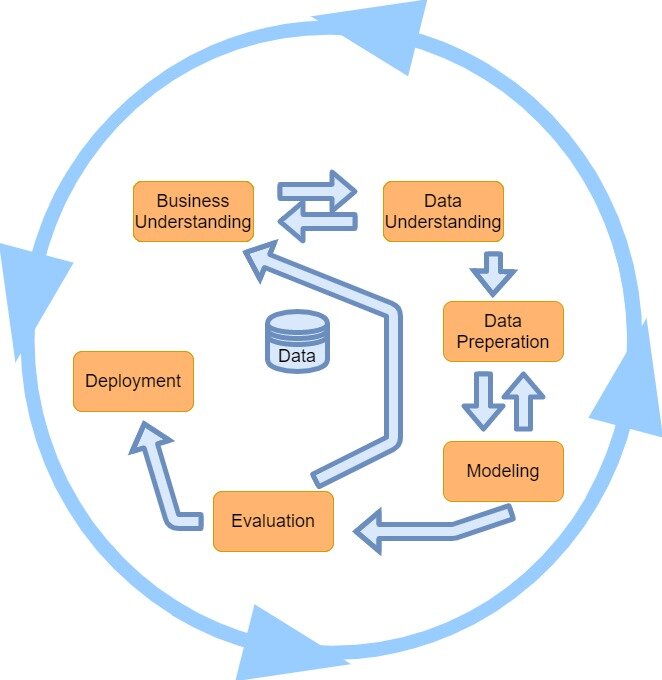
Here's a simplified look at the typical stages:
-
Data Collection: Gathering the data needed for the project. This could come from databases, user activity, sensors, or public datasets.
-
Data Preparation: This is often the most time-consuming part. It involves cleaning the data to handle missing values or errors, and preprocessing it into a format the model can use.
-
Model Training: This is where the learning happens. You select an appropriate algorithm and feed it your prepared data. The algorithm adjusts its internal parameters to find patterns.
-
Model Evaluation: Once the model is trained, you need to check how well it performs. This is done by testing it on a separate set of data it hasn't seen before to get an unbiased assessment of its accuracy.
-
Deployment: If the model performs well, it's deployed into a real-world application. This could mean integrating it into a website, an app, or a business operations tool.
-
Monitoring: A deployed model needs to be monitored to ensure its performance doesn't degrade over time. The world changes, and a model may need to be retrained with new data to stay relevant.
What is the primary difference between how a machine learning model and a traditional computer program solve a problem?
An email service provider wants to create a spam filter. They have a massive dataset of emails, each already labeled as either 'spam' or 'not spam'. Which type of machine learning is best suited for this task?
This foundational knowledge gives you a framework for understanding how machine learning works, from basic concepts to the practical steps involved in building and deploying a model.