Introduction to Machine Learning
Introduction to Machine Learning
What Is Machine Learning?
Machine learning is a type of artificial intelligence (AI) that teaches computers to learn from data. Instead of being explicitly programmed for a specific task, a machine learning model uses patterns and experience to make decisions and predictions on its own.
Think of it this way: you could write a program with millions of rules to identify a cat in a photo. Or, you could show a machine learning model thousands of cat photos and let it figure out the key features of a cat for itself. The second approach is not only more efficient but also more powerful. It's how services like your email spam filter or a movie recommendation engine work.
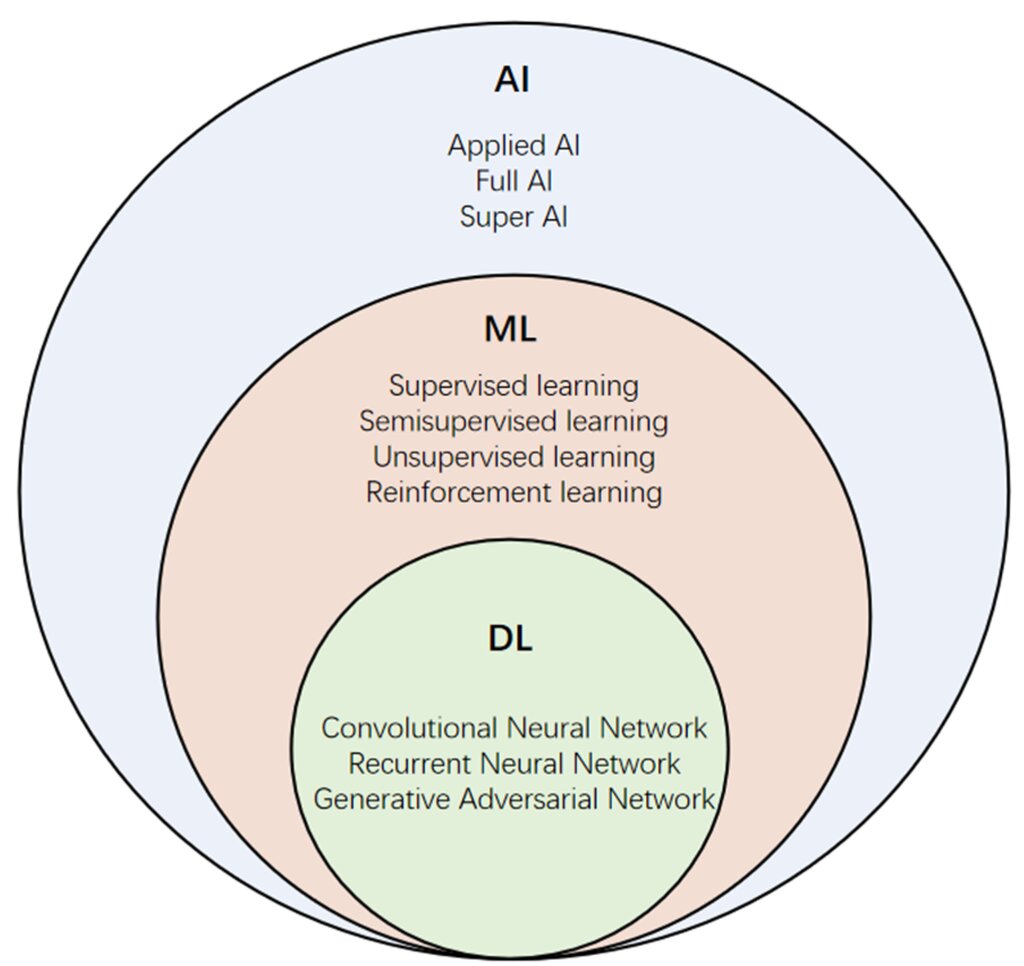
Three Main Flavors
Machine learning isn't a single technique but a collection of approaches. Most methods fall into one of three main categories: supervised, unsupervised, and reinforcement learning.
Supervised Learning: Learning with an Answer Key
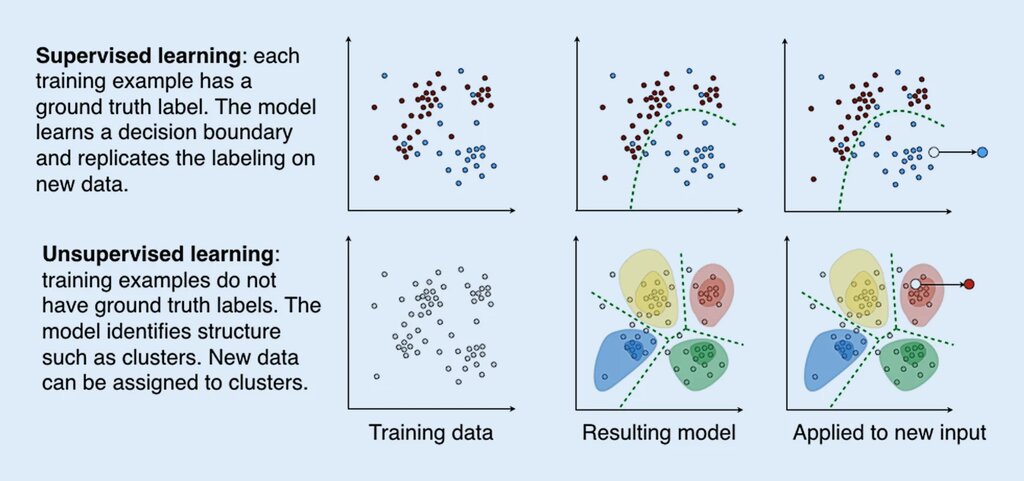
In supervised learning, the model learns from data that is already labeled. Each piece of data has a correct answer, or "label," associated with it. The model's job is to learn the relationship between the input data and the output label so it can predict labels for new, unseen data.
For example, to train a model to identify spam emails, you'd feed it a huge dataset of emails, each one labeled as either "spam" or "not spam." After training, the model can look at a new email and predict whether it's junk.
Unsupervised Learning: Finding Hidden Patterns
Unsupervised learning works with data that has no labels. The goal here isn't to predict a known outcome but to discover hidden structures and patterns within the data itself. The algorithm explores the data and tries to organize it in some meaningful way.
A common application is customer segmentation. An e-commerce company might use unsupervised learning to group its customers into different clusters based on their purchasing habits. This helps them tailor marketing campaigns without knowing ahead of time what the groups should be.
Reinforcement Learning: Learning from Trial and Error
Reinforcement learning is about training a model to make a sequence of decisions. The model, often called an "agent," learns by interacting with an environment. It receives rewards for good actions and penalties for bad ones, with the goal of maximizing its total reward over time.
This is the same way you might train a dog. You reward it for sitting but not for jumping on the couch. Over time, the dog learns which actions lead to a treat. In the tech world, reinforcement learning is used to train AI to play games like chess or Go, and it's also critical for developing self-driving cars and robotics.
The Machine Learning Workflow
Building a machine learning model isn't a single step but an entire process, often called a workflow or lifecycle. While the details can vary, the core stages are generally the same.
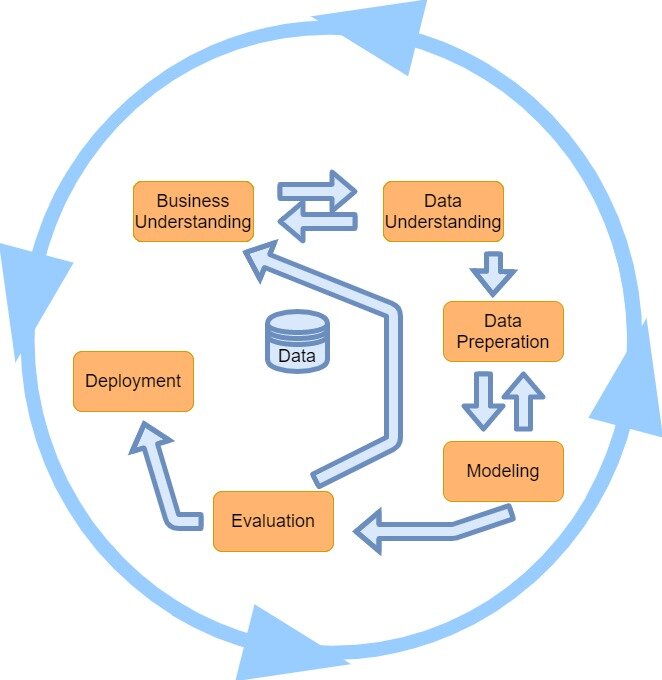
Here's a simplified look at the key phases:
- Data Collection: It all starts with data. This could be anything from customer purchase histories and medical images to stock prices and sensor readings. The quality and quantity of your data are crucial for success.
- Data Preparation: Raw data is almost never ready to be used. This step involves cleaning the data (handling missing values, removing errors) and preprocessing it (formatting it correctly, selecting relevant features). This is often the most time-consuming part of the process.
- Model Selection: Based on the problem you're trying to solve and the type of data you have, you choose an appropriate machine learning algorithm (e.g., one for supervised, unsupervised, or reinforcement learning).
- Training: This is where the learning happens. The model is fed the prepared data, and it begins to learn the underlying patterns. For supervised learning, this means learning to map inputs to outputs. For unsupervised learning, it's about finding the structure.
- Evaluation: Once the model is trained, you need to check how well it performs. This is done by testing it on a separate set of data it has never seen before. This tells you if the model can generalize its learning to new situations.
- Deployment & Monitoring: If the model's performance is good enough, it's deployed into a real-world application. The job isn't over, though. The model's performance is continuously monitored to ensure it remains accurate over time as new data comes in.
With these fundamentals in place, you have a solid foundation for understanding the more complex and powerful applications of machine learning.
Ready to check your understanding? Let's see what you've learned.
What is the primary difference between machine learning and traditional programming?
You are building a model to predict house prices based on a dataset containing home features (size, location) and their final sale prices. What type of machine learning is this?