Introduction to Machine Learning
Introduction to Machine Learning
What Is Machine Learning?
Machine learning is a way of teaching computers to find patterns. Instead of giving the computer a detailed set of instructions for every single task, you give it a lot of data. The computer then learns from that data to make predictions or decisions on its own.
Think of it this way: traditional programming tells a computer how to solve a problem. Machine learning lets the computer figure out how to solve a problem by looking at examples.
This shift is powerful. It allows us to solve problems that are too complex to write rules for by hand, like recognizing speech or identifying objects in photos. We don't have to know every single pattern in the data; we just need to provide enough examples for the machine to learn the patterns itself.
The Machine Learning Workflow
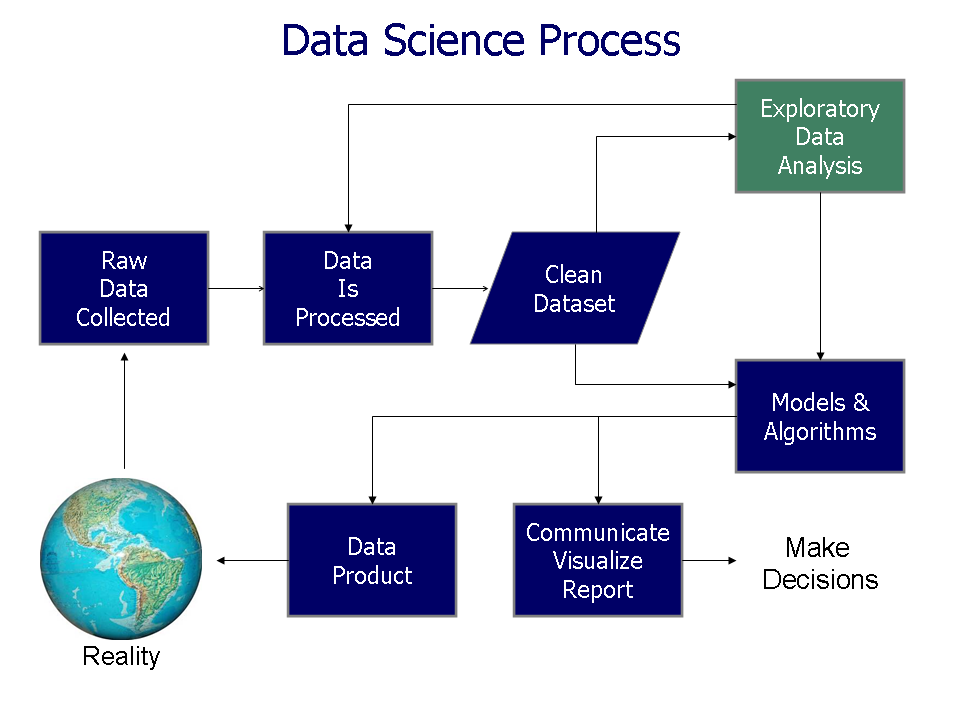
Every machine learning project follows a similar path. It's not a straight line but a cycle of refinement.
- Get the Data: The process starts with data. This could be anything from customer purchase histories to medical images or stock prices. The quality and quantity of data are critical; without good data, even the best algorithms will fail.
- Prepare the Data: Raw data is often messy. This step involves cleaning it up, handling missing values, and getting it into a format the machine can understand.
- Train the Model: This is where the learning happens. We feed the prepared data to a machine learning algorithm, which adjusts its internal parameters to find patterns. This process is called "training," and the output is a "model."
- Evaluate the Model: Once the model is trained, we need to see how well it works. We test it on new data it hasn't seen before to check its accuracy and performance.
- Use the Model: If the model performs well, it can be deployed to make predictions on new, real-world data. For example, a trained model could predict which movies you'll like or identify spam emails.
Three Flavors of Learning
Machine learning isn't a single technique but a broad field with several approaches. The three main types are supervised, unsupervised, and reinforcement learning. The right one to use depends on the problem you're trying to solve and the kind of data you have.
Supervised learning is like studying with flashcards. Each card has a question (the data) and an answer (the label). The goal is to learn the connection so you can answer new questions correctly. For instance, you could show a model thousands of labeled images of cats and dogs. Eventually, it learns to distinguish between them and can identify a cat in a new photo it has never seen before.
Unsupervised learning is like being given a big pile of mixed-up photos and asked to sort them into groups. Nobody tells you what the groups are; you have to find the patterns yourself. Maybe you'll group them by color, subject, or style. This method is used to discover hidden structures in data, such as grouping customers into different market segments based on their purchasing habits.
Finally, there's reinforcement learning. This is about learning through trial and error, much like training a pet. The model, or "agent," performs actions in an environment. It receives rewards for good actions and penalties for bad ones. Over time, it learns the best strategy to maximize its reward.
A common example is teaching a computer to play a game. The agent gets a reward for winning and a penalty for losing. By playing over and over, it discovers the moves that lead to victory.
To review the key ideas from this article, go through these flashcards.
Ready to check your understanding?
What is the fundamental difference between machine learning and traditional programming?
What is the primary goal of the "Evaluate the Model" step in a machine learning project?
This is just the beginning. Each of these learning types has its own set of powerful algorithms and techniques, but they all share the same core idea: letting machines learn from experience.